
Beautiful Plants For Your Interior
Beautiful Plants For Your Interior
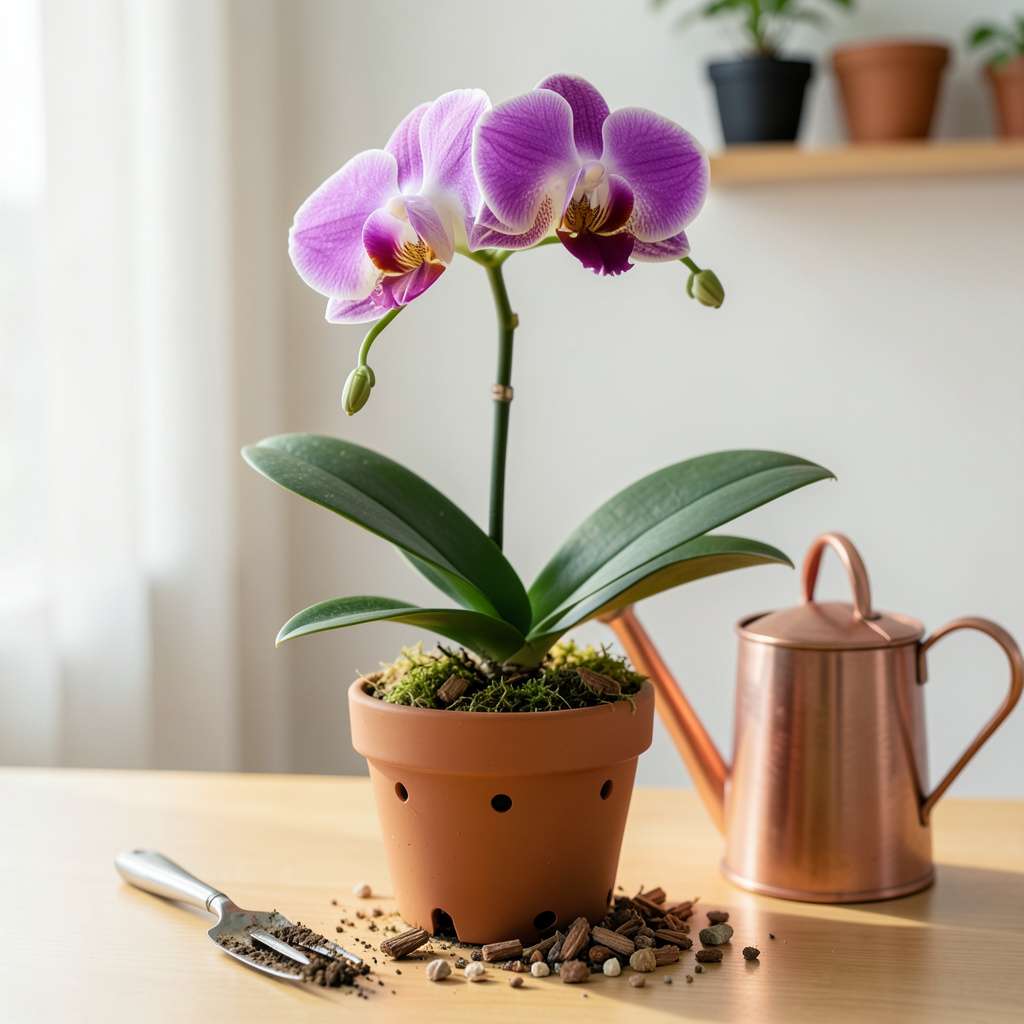
Most orchids thrive in bark or orchid mix, but some species can tolerate soil if it’s well-draining. Avoid heavy clay and ensure proper drainage to prevent root rot.
While many orchids prefer a bark or specialized mix for their unique root structures, certain types can adapt to soil if it drains well. 🌱 It’s essential to select a lightweight, airy medium that allows for sufficient airflow to the roots. I often recommend monitoring moisture levels closely, as orchids in soil can be prone to overwatering, leading to root issues.
When considering planting in soil, keep in mind that the right type will significantly impact your plant’s health. Always check for signs of stress or rot, which can occur more easily in denser mixtures. Proper care and attention can help you succeed even with soil-grown orchids! 💚
💡 In This Article
The primary reason most orchids don’t thrive in traditional soil is their unique root structure. Orchid roots are designed to absorb moisture and nutrients from the air rather than soil. This adaptation makes them sensitive to excess moisture, which can lead to root rot. 🌿
In contrast to conventional potting soil, which can become compacted and retain too much water, an orchid mix consists of chunky materials like bark, perlite, or coconut coir that ensure proper aeration.
For example, a typical orchid mix might contain pieces of fir bark and charcoal, allowing roots to breathe effectively while still retaining some moisture. 🌬️
However, some orchid species, such as Phalaenopsis and Oncidium, can adapt to well-draining soil if it is amended correctly. These species have shown resilience in various environments, including those with more soil-like conditions. The key is to avoid heavy clay or dense mixtures that can suffocate their roots. 🌼
Another factor to consider is how soil impacts watering practices. When planted in soil, orchids may require more frequent checks for moisture levels, as overwatering can quickly become a problem. It’s crucial to let the top inch of the soil dry out before watering again. This practice helps prevent the dreaded root rot. 💧
In summary, while traditional soil isn’t ideal for most orchids due to their specialized needs, certain species can thrive in amended soil with good drainage. If you choose to plant in soil, be diligent about monitoring moisture and adjusting care practices accordingly to keep your orchids healthy and vibrant. 🌟
