
Beautiful Plants For Your Interior
Beautiful Plants For Your Interior
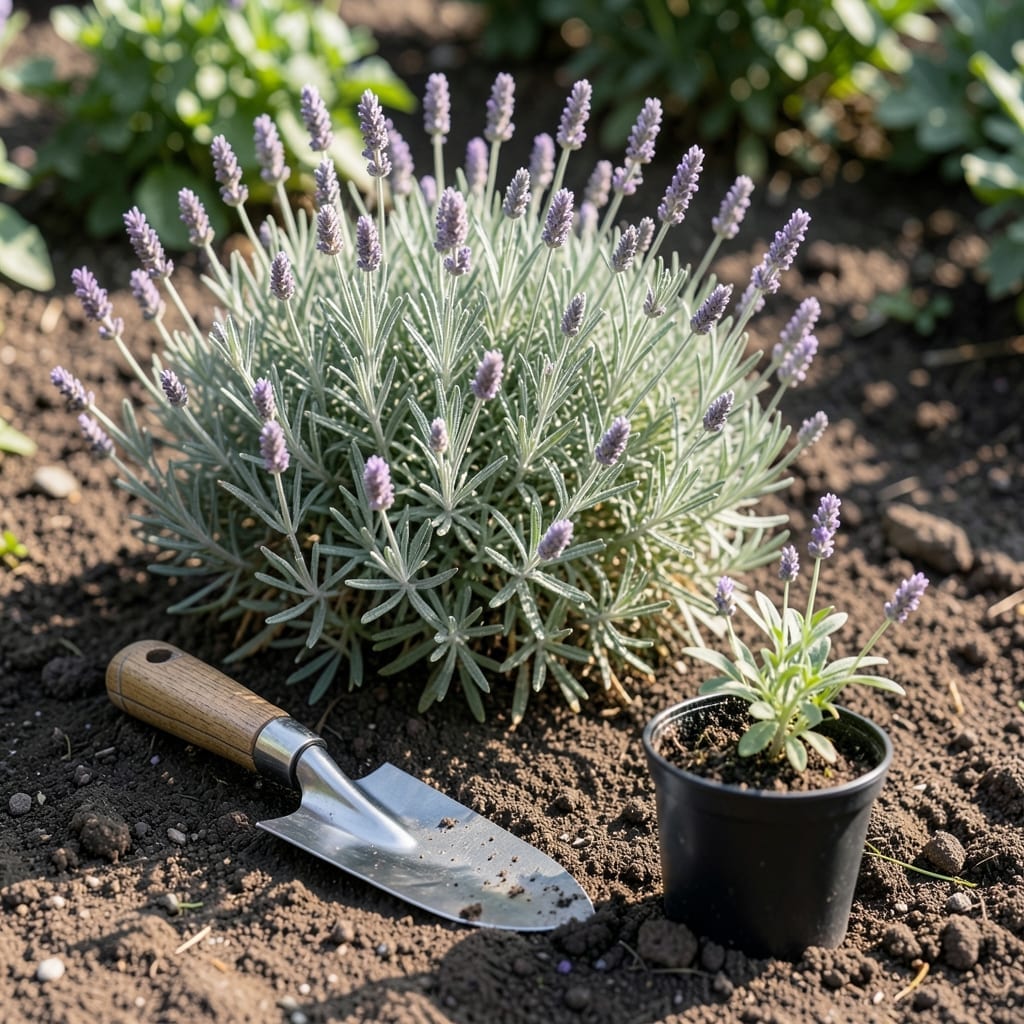
That fragrant purple bloom of Lavender 🟣 can transform any garden, but is fall the right time to plant it? Many gardeners miss the perfect window, leaving their plants struggling to survive winter.
I’ve learned the hard way that timing and preparation make all the difference. With the right approach, you can give your Lavender a strong start even as temperatures drop.
Discover the key factors that determine success and how to set your plants up for a thriving spring. Let’s get started.

Fall can be an excellent time to plant lavender, but success depends on several key factors. The most critical is your USDA hardiness zone, as this determines whether roots can establish before winter.
In zones 7-9, fall planting is often ideal. The soil stays warm while air temperatures cool, giving roots time to grow. However, in zones 5-6, you’ll need to act early—at least 4-6 weeks before the first frost.☀️
I’ve found that soil temperature is just as important as air temperature. Lavender roots grow best when soil is above 60°F. Use a soil thermometer to check before planting.
Another consideration is drainage. Lavender hates wet feet, so avoid low-lying areas where water pools. If your soil is heavy clay, amend it with sand or gravel to improve drainage.🌱
In colder zones, mulching can help protect young plants. However, avoid thick organic mulches that retain moisture. Instead, use gravel or pebbles to keep roots warm and dry.
Watering is different in fall too. After planting, give your lavender a deep watering to settle the soil. Then, reduce frequency—once every 2-3 weeks is plenty as cooler weather sets in.
I always remind gardeners to check local frost dates. Planting too late risks root damage from early freezes. In zone 6, aim to finish planting by early October to be safe.
Finally, consider plant size. Smaller, younger plants establish faster than mature ones. If you’re planting in fall, choose container-grown lavender over bare-root for better survival rates.
With these factors in mind, fall planting can give your lavender a head start for spring. The cooler weather reduces stress, and autumn rains can help with initial watering needs.🌿
Planting lavender in fall requires careful preparation. I always start by testing soil drainage—dig a hole and fill it with water. If it drains in 30 minutes or less, you’re good to go.
Next, choose a sunny location with at least 6-8 hours of light. Lavender thrives in full sun, so avoid shady spots. Prepare the soil by mixing in sand or gravel to improve drainage.🌱
After planting, water thoroughly but avoid overwatering. Fall rains often provide enough moisture, so check soil dryness before adding more. I water mine once every 2-3 weeks in autumn.
For colder zones, protect plants from early frosts. Use frost cloth on cold nights, but remove it during the day. This prevents root damage while allowing sunlight to reach the plant.☀️
I recommend spacing plants 18-24 inches apart to allow airflow. This reduces humidity buildup that can lead to fungal issues. Proper spacing also helps each plant get enough sunlight.
Finally, avoid fertilizing in fall. Lavender doesn’t need much fertilizer, and late-season feeding can encourage tender growth that’s vulnerable to frost. Instead, focus on healthy soil prep before planting.🌿