
Beautiful Plants For Your Interior
Beautiful Plants For Your Interior
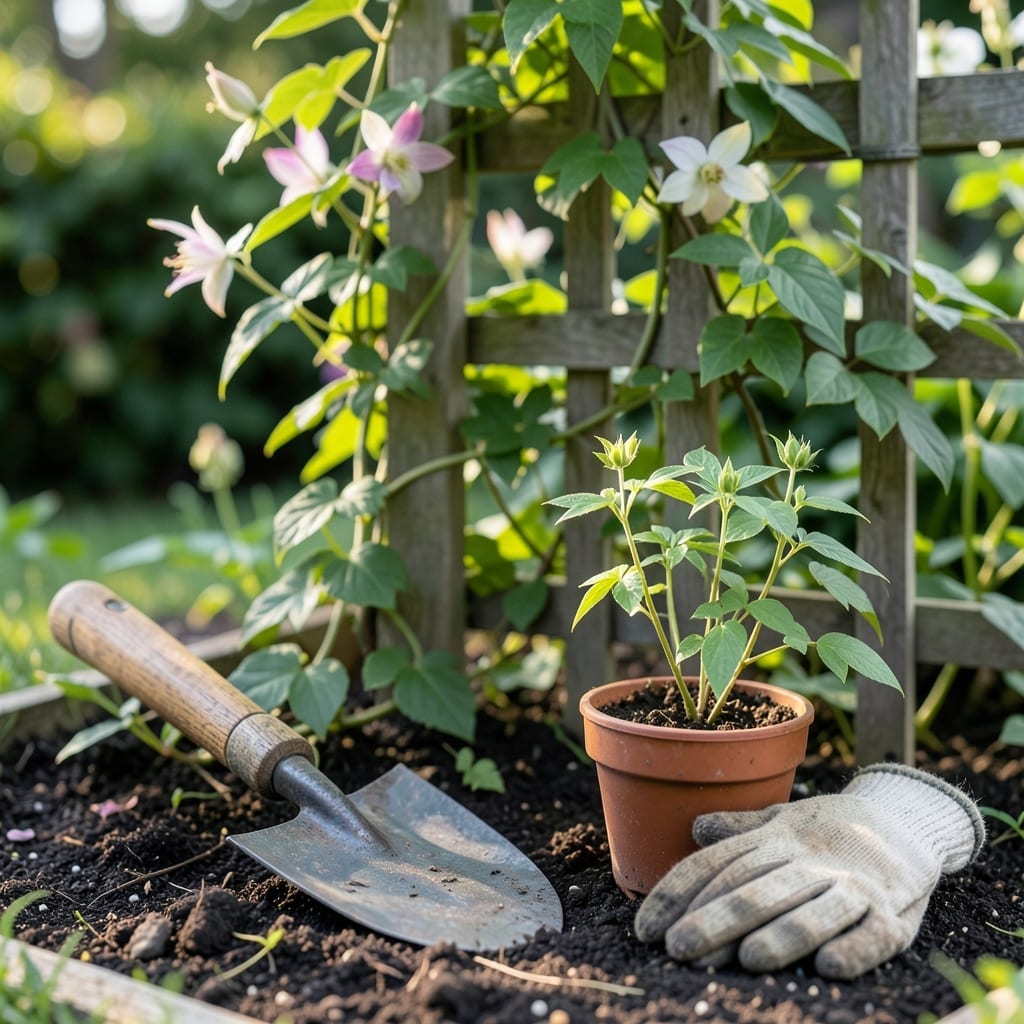
Fall is the perfect time to give your garden a head start, and Clematis 🌸 might just be your next star performer. Many gardeners wonder if autumn planting sets these vines up for success or failure.
I’ve found that the cooler temperatures and consistent moisture make fall an ideal window. The key is giving your Clematis enough time to establish roots before winter hits.
With the right approach, you can ensure strong, healthy growth come spring. Let me show you how to make the most of this planting season.
Discover the best practices for fall planting and avoid common pitfalls that could derail your efforts. Your future blooms will thank you.

Fall is actually one of the best times to plant clematis vines in most regions. The cooler temperatures reduce stress on the plant while giving roots time to establish before winter dormancy sets in.
With less heat stress and more consistent moisture in autumn, clematis can focus energy on root development rather than leaf production. This head start means stronger growth when spring arrives.
🌱 Key Takeaway
Fall planting allows clematis roots to establish in cool, moist soil before winter, leading to faster spring growth and more blooms.
I always recommend planting 4-6 weeks before your first hard frost. This gives the root system enough time to settle in while avoiding the shock of sudden temperature drops.
The ideal soil temperature for fall planting is between 50-60°F. At this range, roots grow actively while tops remain dormant, creating a perfect balance for establishment.
Another advantage is reduced watering needs. Fall rains often provide enough moisture, but I still check soil weekly. The goal is consistently moist but never soggy conditions.
For northern climates (Zones 3-5), September is ideal. In warmer zones (6-8), you can plant through October or even early November in some areas.
I’ve found that fall-planted clematis often outperform spring-planted ones. They develop deeper root systems during the cool months, which means better drought resistance the following summer.
Just
The biggest mistake I see is planting too late. If you wait until after the first frost, the plant won’t have time to establish roots before the ground freezes.
With proper timing and care, your fall-planted clematis will reward you with vigorous growth and abundant blooms next season 🌸
Planting clematis in fall requires careful timing and technique. I always start by choosing a location with well-draining soil and full sun to partial shade for optimal growth.
The best window is 4-6 weeks before your first hard frost. This gives roots enough time to establish without the stress of extreme temperatures.
Follow These Steps:
I recommend planting the crown deeper than the original pot level. This encourages stronger root growth and protects the base from temperature swings.
After planting, water deeply once a week unless rain provides 1 inch of moisture. Keep the soil consistently moist but avoid waterlogging.
Apply a 2-3 inch layer of organic mulch around the base. This helps retain moisture and insulates roots as temperatures drop.
For cold climates, add an extra layer of winter mulch after the ground freezes. I use straw or leaves for additional protection.
With these steps, your fall-planted clematis will establish strong roots and reward you with vibrant blooms next season 🌸