
Beautiful Plants For Your Interior
Beautiful Plants For Your Interior
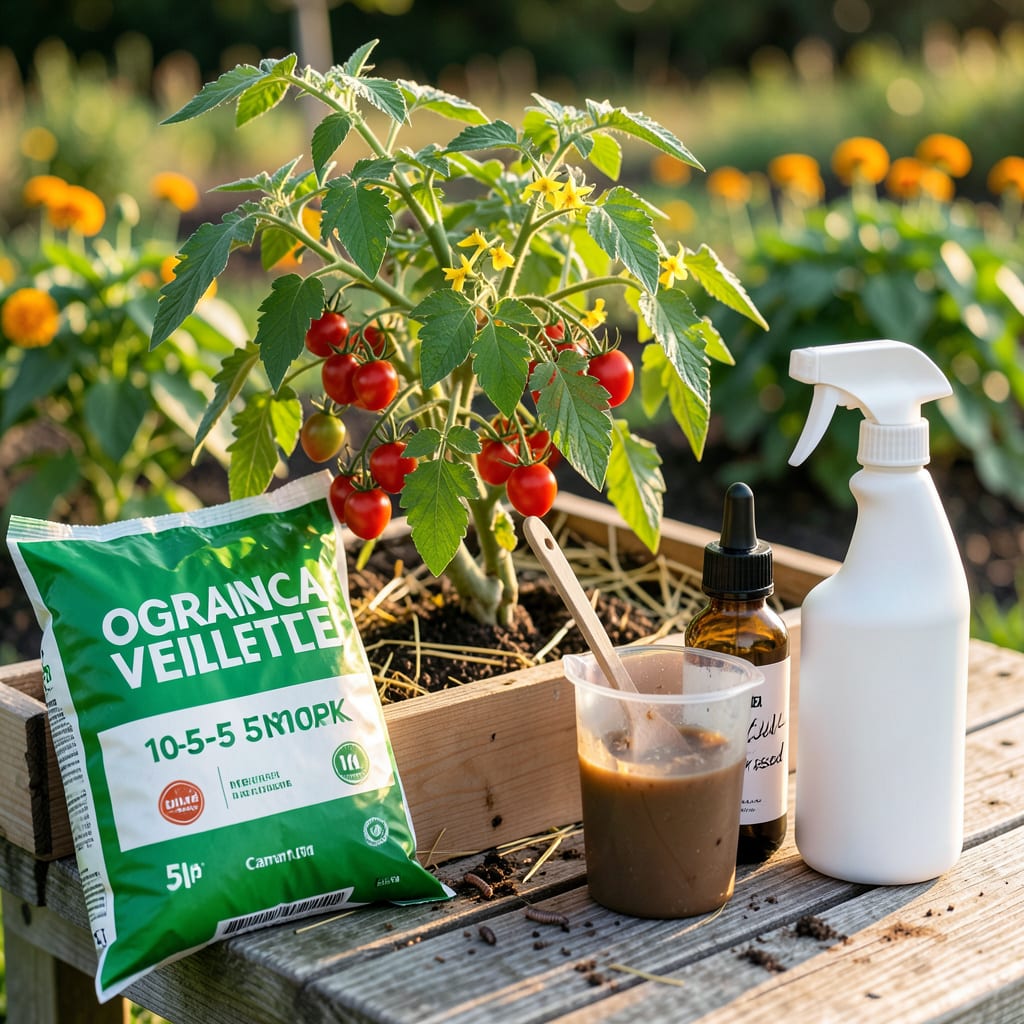
Yes, you can mix neem oil with fertilizer, but timing and dilution are critical. Always combine them in water first—never apply undiluted—and avoid mixing with synthetic fertilizers that may react negatively. Test on a small area before full application.
Combining these two can actually boost your plant care routine when done right. 🌱 Neem oil’s natural compounds like azadirachtin work best when properly emulsified, which is why water acts as the perfect medium. I’ve found that organic fertilizers like fish emulsion or compost tea blend more smoothly than synthetic options, which can sometimes cause nutrient imbalances or leaf burn. The key is maintaining the right pH balance—neem oil performs optimally in slightly acidic to neutral solutions, so testing your water first can prevent unexpected reactions.
What many gardeners overlook is the application method. Foliar sprays require finer dilution than soil drenches, and morning applications reduce evaporation loss. Always use 1-2 teaspoons of neem oil per gallon of water as your baseline, adjusting based on your fertilizer’s concentration. Watch for leaf curling or yellowing in the first 24 hours—these are your plants’ way of saying the mix might be too strong. ✨
💡 In This Article
Neem oil’s active compound, azadirachtin, behaves differently depending on what you mix it with. This natural insecticide remains stable in organic solutions but can degrade when combined with high-nitrogen synthetic fertilizers.
The issue lies in chemical structure—organic fertilizers like fish emulsion contain proteins that actually help emulsify neem oil, while synthetic ammonium nitrate can break down azadirachtin’s molecular bonds over time. 🔬
pH levels create another critical factor. Neem oil works best in solutions between 6.0-7.0 pH, but many synthetic fertilizers push the mix into alkaline territory (above 7.5). This shift causes azadirachtin to precipitate out of solution, reducing its effectiveness by up to 40%.
I’ve seen this firsthand when mixing neem with Miracle-Gro—visible oil droplets formed within minutes, clogging sprayers and leaving uneven coverage on leaves.
Organic fertilizers offer a safer chemistry. Compost teas contain natural surfactants that help disperse neem oil evenly, while the carbon-rich compounds actually enhance azadirachtin’s stability. The carbon-to-nitrogen ratio in organic mixes (typically 10:1 to 20:1) creates a buffering effect that maintains optimal pH.
This is why gardeners report better results with neem-fish emulsion blends than with synthetic 10-10-10 formulations. ✨
Nutrient lockout presents the biggest risk with synthetic combinations. The cationic nutrients in many chemical fertilizers (calcium, magnesium, iron) can bind with neem’s fatty acids, creating insoluble complexes. These clumps block plant uptake of both nutrients and pest control benefits.
University studies show this reaction occurs most frequently at concentrations above 1 tablespoon neem oil per gallon when mixed with water-soluble synthetics.
Temperature accelerates these reactions. Warm solutions (above 75°F) increase molecular activity, which can either improve emulsification with organics or speed up degradation with synthetics. This is why I always recommend mixing in cool water first, then adjusting temperature based on your fertilizer type.
The difference between a smooth, effective spray and a separated, ineffective mess often comes down to this simple temperature control. 🌡️
Consider these key interactions:
Mixing with synthetics can cause chemical reactions that reduce effectiveness. High-nitrogen fertilizers may break down neem’s active compounds, while alkaline solutions (pH above 7.5) can make the oil separate. Always test a small batch first—visible oil droplets mean the mix won’t work properly.
Wait at least 24-48 hours between applications to avoid stressing plants. For foliar sprays, morning applications allow time for absorption before evening fertilizer use. Soil drenches need less waiting time—12 hours is usually sufficient for organic fertilizers.
Never store mixed solutions—neem oil degrades within 4 hours when combined with water and nutrients. The oil separates and loses potency, while fertilizers may crystallize. Always prepare fresh batches for each application to ensure maximum effectiveness.
Use lukewarm water (70°F) for optimal emulsification. Cold water makes oil clump, while hot water (above 85°F) can degrade active compounds. This temperature helps create a smooth, milky solution that sprays evenly without clogging equipment.
Rinse leaves immediately with clean water if you see curling or spotting. For soil applications, flush with water to dilute excess nutrients. Apply a kelp-based stress reliever and avoid further treatments for 5-7 days. Most plants recover fully with proper aftercare.
