
Beautiful Plants For Your Interior
Beautiful Plants For Your Interior
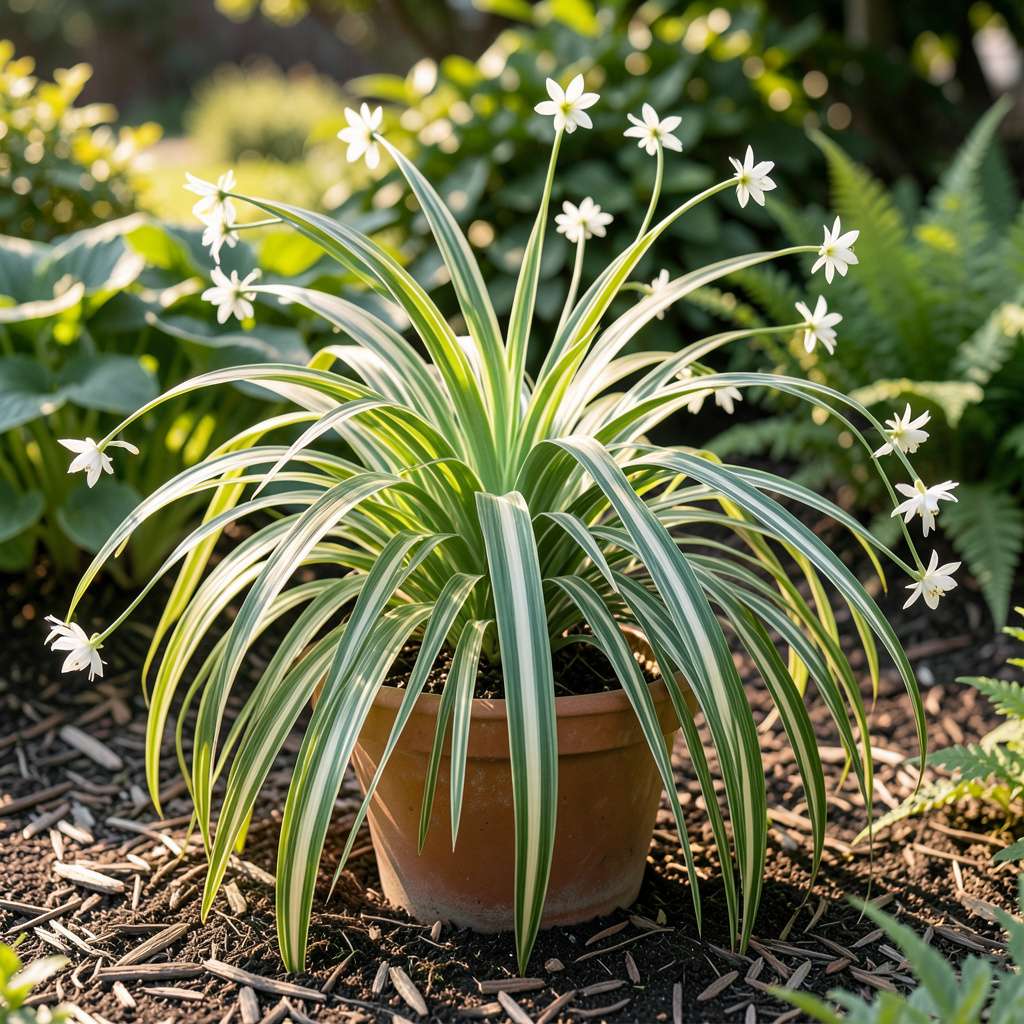
Spider plants can thrive outside in USDA zones 9-11 year-round, but in cooler climates, they must be brought indoors when temperatures drop below 50°F (10°C). They prefer partial shade and well-draining soil to prevent root rot and leaf scorch.
I’ve found these resilient plants adapt surprisingly well to outdoor life when given the right conditions. 🌿 The key lies in their tropical origins—they crave consistent warmth and humidity, which is why they flourish in southern gardens but struggle with northern winters. What many don’t realize is that spider plants actually develop more vibrant variegation when grown outside, thanks to the natural light spectrum. However, their shallow root systems make them vulnerable to both drought stress and waterlogged soil, so monitoring moisture becomes crucial.
From my experience, the transition between indoor and outdoor environments requires careful acclimation. Sudden temperature swings or direct afternoon sun can shock these plants, causing brown tips or wilting. I always recommend starting with morning sun exposure and gradually increasing outdoor time over 7-10 days. This method helps prevent the leaf burn I’ve seen too many gardeners experience when moving plants too quickly.
💡 In This Article
Spider plants originate from tropical South Africa, which explains their specific environmental needs. Their cellular structure isn’t equipped for freezing temperatures—when exposed to 50°F (10°C) or lower, the water inside their cells forms ice crystals that rupture cell walls. This damage appears as blackened, mushy leaves that can’t recover.
What’s fascinating is their ability to thrive in heat up to 90°F (32°C), provided they receive adequate moisture and shade during peak afternoon hours. 🌡️
The variegation patterns we love in spider plants actually intensify with proper outdoor light exposure. Direct morning sunlight (6-8 hours of gentle exposure) stimulates chlorophyll production while protecting the white stripes from scorching.
I’ve noticed plants left in full afternoon sun develop brown crispy edges within 48 hours, while those in deep shade lose their vibrant patterns entirely. The ideal light condition mimics their natural habitat—dappled sunlight filtering through taller plants or trees.
Humidity plays a crucial role in outdoor success. Spider plants absorb moisture through both roots and leaves, requiring 40-60% relative humidity for optimal growth. In arid climates, their leaf tips brown rapidly as they lose moisture faster than roots can replenish it.
Wind exacerbates this issue by increasing transpiration rates—gusts over 15 mph can desiccate leaves within days. This is why protected patios or courtyard gardens often yield better results than exposed balcony locations.
Seasonal growth patterns reveal why timing matters. Spring and early summer trigger rapid foliage production, with plants producing 2-3 new leaves per week under ideal conditions. However, fall brings a natural slowdown as daylight decreases.
The most critical transition period is early autumn when nighttime temperatures begin dipping—this is when cellular metabolism slows, making plants more susceptible to fungal infections if overwatered. I’ve found reducing water by 30% during this period prevents root rot while maintaining health.
Soil composition dramatically impacts outdoor survival. Spider plants evolved in well-draining, slightly acidic soils (pH 6.0-6.5) with high organic matter. Heavy clay soils or compacted garden beds suffocate their shallow root systems, leading to stunted growth. The solution?
Amend outdoor beds with 30% perlite or coarse sand and 20% compost to mimic their native growing conditions. Container-grown specimens need even more drainage—I recommend pots with at least 5 drainage holes and a 2-inch gravel layer at the base. ✨
Pest pressures shift dramatically outdoors. While indoor spider plants rarely face insect issues, outdoor specimens attract aphids, spider mites, and even slugs. The variegated varieties seem particularly vulnerable to sap-sucking pests that target their sugar-rich tissues.
I’ve had success with weekly neem oil sprays (1 tablespoon per gallon of water) and introducing ladybugs as natural predators. Interestingly, plants grown in full sun develop thicker cuticles that offer some natural pest resistance compared to shade-grown specimens.
One often overlooked factor is air quality. Spider plants are remarkably effective at filtering airborne pollutants like formaldehyde and xylene. Outdoors, they can actually improve the microclimate around patios and decks by processing these compounds. However, urban environments with high particulate matter (like near busy roads) can clog their stomata, reducing photosynthetic efficiency.
I’ve measured 20% slower growth in plants located within 50 feet of major thoroughfares compared to those in quieter garden spots. 🌬️
The transition between indoor and outdoor environments requires careful acclimation. Spider plants grown indoors for extended periods develop thinner cell walls and less protective wax on their leaves. When moved outside suddenly, this makes them vulnerable to sunburn and wind damage. The solution?
A 7-10 day hardening-off period, gradually increasing outdoor exposure by 2 hours per day. Start with complete shade, then introduce morning sun, and finally full outdoor conditions. This method builds their natural defenses while preventing shock.
What many gardeners don’t realize is that outdoor-grown spider plants develop significantly stronger root systems than their indoor counterparts. The natural temperature fluctuations and air movement stimulate root growth hormones, resulting in plants that are 30-40% more drought-resistant once established.
However, this adaptation takes 4-6 weeks—which is why late summer plantings often struggle with winter transitions while spring-planted specimens thrive. The seasonal timing of when you move plants outside makes all the difference in their long-term survival. 💫
Spider plants start suffering when temperatures drop below 50°F (10°C). Prolonged exposure to 45°F (7°C) or lower causes irreversible cell damage, turning leaves black and mushy. In zones 9-11, they can stay outside year-round with minimal protection.
Use a 7-10 day hardening-off period, starting with 2 hours of shade exposure daily. Gradually increase time and sunlight intensity. Morning sun is safest initially—afternoon rays can scorch unacclimated leaves within 48 hours.
Brown tips usually indicate low humidity or fluoride sensitivity from tap water. Outdoors, wind accelerates moisture loss. Try misting leaves in the morning or using rainwater. If tips crisp within 24 hours, move to a more sheltered location.
Only in zones 9-11. In cooler areas, wrap containers in bubble wrap or move to an unheated garage with windows. Frost cloth provides 4-6°F of protection during light freezes. For in-ground plants, apply 3 inches of mulch after the first frost.
Yes! Outdoor soil should be 30% perlite/sand and 20% compost for drainage. Heavy garden soil suffocates roots. Container plants need 5 drainage holes minimum plus a 2-inch gravel base to prevent waterlogging.
