
Beautiful Plants For Your Interior
Beautiful Plants For Your Interior
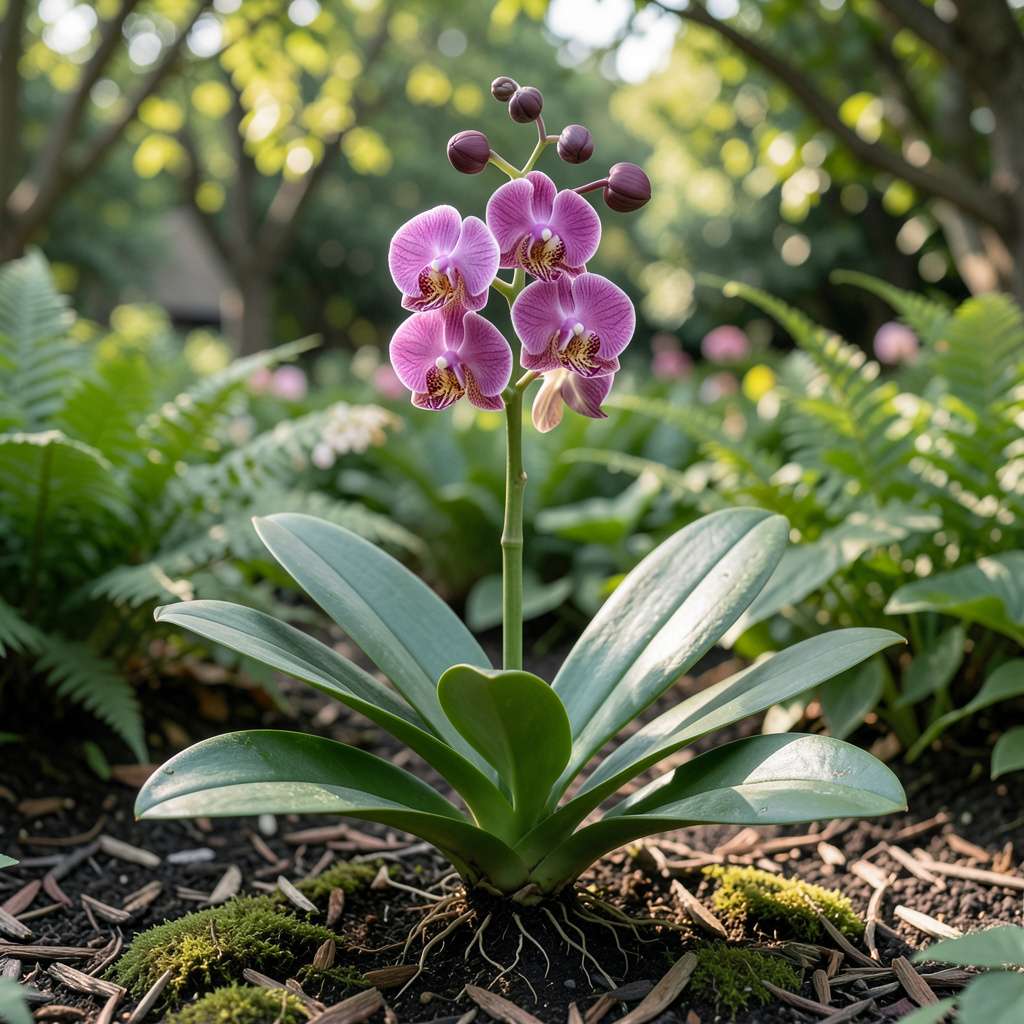
Orchids can survive outside in suitable climates with proper light, drainage, and protection from extreme weather. Choose hardy species and monitor humidity, temperature, and airflow.
When considering outdoor orchid cultivation, it’s essential to understand that not all varieties are created equal. 🌿 Some species thrive in specific environments, while others may struggle if conditions aren’t ideal. I recommend researching which types are best suited for your local climate to enhance your chances of success. Additionally, keeping an eye on elements like moisture levels and airflow will make a significant difference in their overall health and blooming potential. 🌸
💡 In This Article
To determine if orchids can flourish outdoors, we must first examine their environmental needs. Orchids generally prefer temperatures between 60-80°F during the day and slightly cooler at night. This range mimics their native habitats, typically found in tropical and subtropical regions. 🌞
Light intensity is another critical factor. Most orchids thrive in bright, indirect sunlight. For instance, Phalaenopsis orchids do well with about 12-14 hours of light daily but should be protected from direct sunlight, which can scorch their leaves. Too little light can hinder blooming, while too much can cause leaf burn. 🌿
Soil pH and drainage are equally important. Orchids require well-draining potting media, often consisting of bark or sphagnum moss, to prevent root rot. Ideally, the pH level should be around 5.5-6.5, allowing for optimal nutrient absorption. Regularly checking the moisture level helps maintain the right balance. 🌧️
Humidity levels also play a significant role in outdoor orchid care. Orchids generally prefer humidity levels between 40-70%. In drier climates, grouping plants or using a humidity tray can help maintain moisture around the roots. Monitoring humidity can be done using simple hygrometers available at garden centers. 💧
Lastly, selecting the right species is crucial for outdoor survival. Some hardy varieties like Dendrobium and Cattleya are better suited for outdoor environments due to their resilience against temperature fluctuations and pests. Ensuring you choose the right type for your climate can make all the difference in their success. 🌸
In conclusion, understanding these environmental factors is vital for growing orchids outdoors successfully. With the right conditions—light, temperature, humidity, and soil—you’ll create a thriving environment for your orchids to flourish. 🌟
