
Beautiful Plants For Your Interior
Beautiful Plants For Your Interior
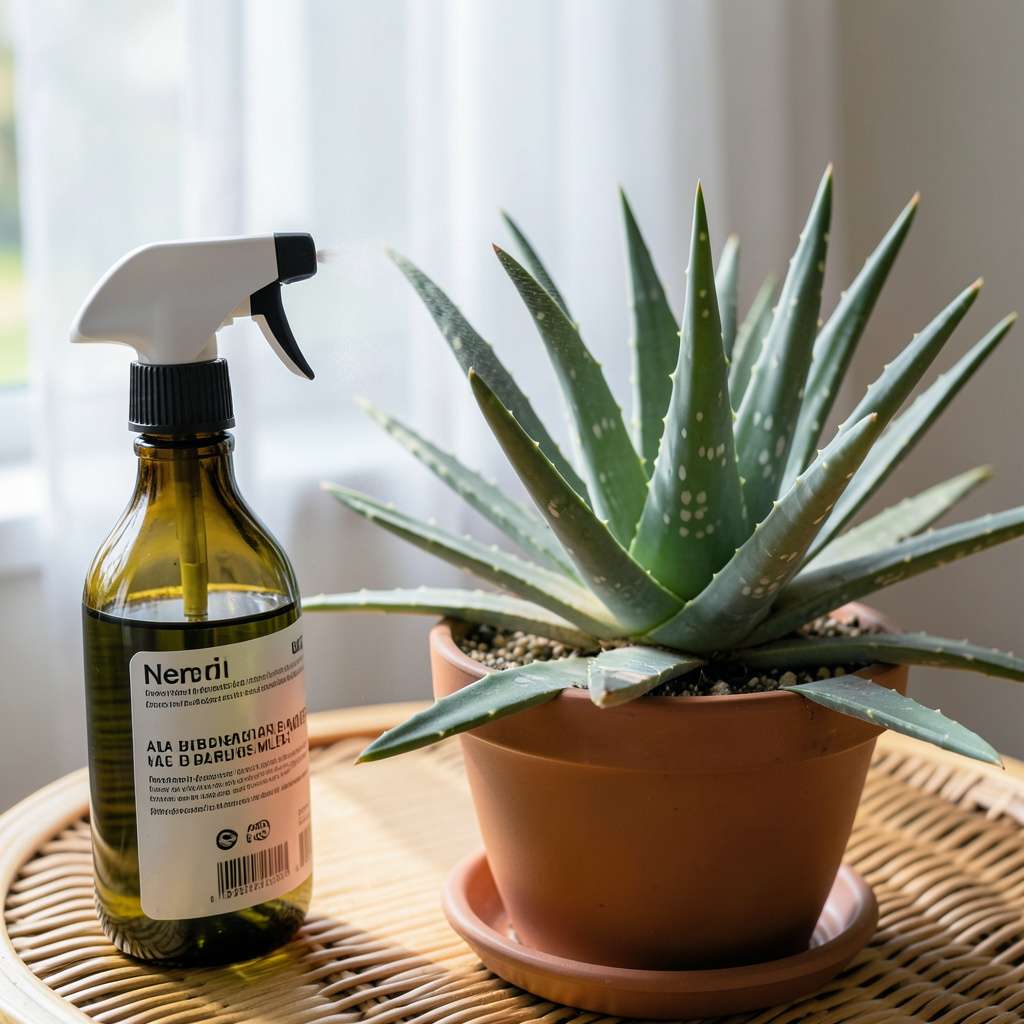
Yes, neem oil can burn plants if applied incorrectly—especially in direct sunlight, high concentrations, or on sensitive foliage. Always dilute properly, test on a small area first, and apply during cooler hours to prevent damage.
I’ve seen firsthand how neem oil’s natural compounds can turn from protective to problematic when misused. The issue often stems from azadirachtin—neem’s active ingredient—which disrupts cellular processes in plants under stress. Think of it like sunscreen that works great until you apply it at midday under scorching rays. 🔥
What many gardeners overlook is that delicate plants (like basil or impatiens) react differently than hardy varieties (such as rosemary). Even the time of day matters—morning applications give leaves time to absorb the oil before afternoon heat kicks in. Always remember: neem oil is a treatment, not a quick fix.
💡 In This Article
Neem oil’s phytotoxic effects start at the cellular level. The active compound azadirachtin disrupts plant cell membranes when concentrated, creating microscopic leaks that dehydrate tissues. This process accelerates under UV exposure because sunlight triggers photoxidation—where light energy breaks down oil components into reactive molecules that damage chlorophyll. 🔥
Environmental conditions turn neem oil from helpful to harmful. Temperatures above 85°F increase leaf transpiration rates, pulling more oil into plant tissues faster than they can process. Humidity below 40% worsens this effect by stressing stomata (leaf pores), making them absorb oil more aggressively.
I’ve seen basil leaves develop crispy edges within hours when sprayed at noon versus healthy growth from evening applications.
The oil’s viscosity plays a surprising role. Pure neem oil coats leaves in a thick film that blocks 30-50% of sunlight absorption while trapping heat. This “greenhouse effect” on foliage can raise leaf surface temperatures by 10-15°F—enough to cause thermal stress in sensitive plants like impatiens or young seedlings.
Always dilute to 1-2% concentration to maintain protective benefits without suffocation.
Plant sensitivity varies dramatically by species and growth stage. Tender new growth lacks the waxy cuticle that mature leaves develop to resist oil penetration. For example, tomato seedlings show burn symptoms at 0.5% concentrations that mature plants tolerate at 2%.
The difference lies in cuticle thickness—measured in microns—which develops fully only after 4-6 weeks of growth.
Here’s what’s happening during that critical first hour after application: neem oil’s fatty acids begin breaking down under UV light, releasing free radicals that oxidize cell walls. This is why evening applications work better—the oil has 8-12 hours to absorb before facing intense sunlight.
🌅 The oxidation process also explains why burned leaves develop that characteristic brown papery texture—it’s literally cellular dehydration from membrane damage.
Consider these key factors when assessing risk:
The science confirms what experienced gardeners know: neem oil behaves more like a concentrated essential oil than a gentle treatment. Its limonoid compounds (like salannin) amplify azadirachtin’s effects under stress conditions. This explains why some plants recover from mild burning while others experience systemic shock—the difference lies in their ability to metabolize these complex molecules.
Delicate plants like ferns, gardenias, and young seedlings often react poorly to neem oil. Basil, impatiens, and some herbs (especially cilantro) also show higher sensitivity. Always test these varieties first with a 0.5% solution before full application.
Signs typically appear within 12-24 hours of application. Look for brown spots, crispy edges, or yellowing leaves. Severe cases may show wilting within 6 hours if applied during peak sunlight or with undiluted oil.
Never combine neem oil with sulfur-based fungicides or horticultural oils—this dramatically increases burn risk. Safe pairings include insecticidal soaps (at half strength) or liquid seaweed. Always mix in small batches and test first.
Immediately rinse with water and move plants to shade. Trim severely damaged foliage to prevent stress. Apply a foliar spray of 1 tsp baking soda per quart of water to help neutralize residual oil and support recovery.
For healthy plants, every 7-10 days is ideal. Stressed plants need 14 days between treatments. Never exceed 4 applications per month—overuse builds up in soil and can harm beneficial microbes.
