
Beautiful Plants For Your Interior
Beautiful Plants For Your Interior
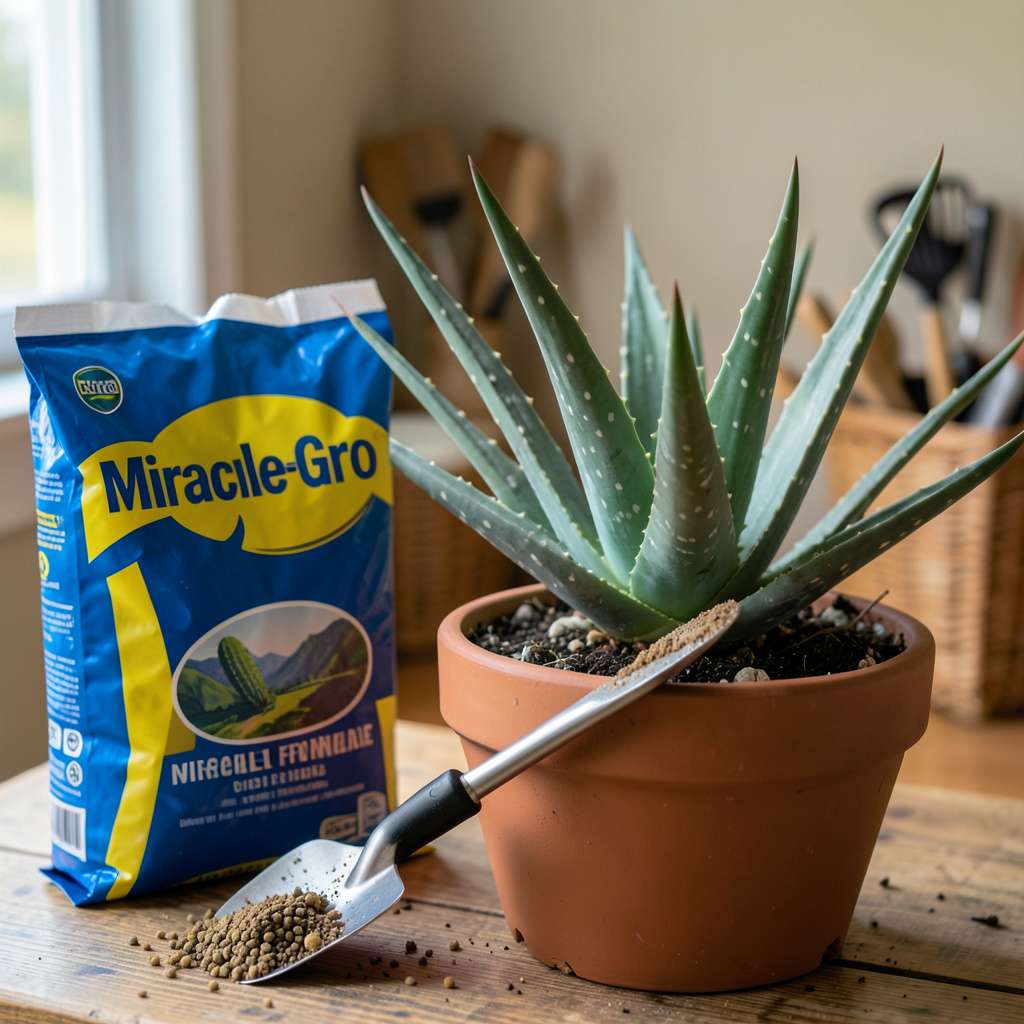
Yes, Miracle-Gro can burn plants if overused or applied incorrectly. The high salt and nitrogen content in synthetic fertilizers draws moisture from roots, causing leaf scorch, browning, or wilting. Always follow label instructions and dilute properly.
I’ve seen this happen too many times in my own garden—what starts as an attempt to boost growth ends up creating crispy, brown leaves. 🔥 The issue isn’t the product itself but how it interacts with plant biology. When concentrations are too high, the salts act like tiny vacuums, pulling essential water away from roots while the nitrogen overloads the system. This is particularly dangerous for young seedlings, houseplants, and drought-stressed plants that can’t handle the chemical shock.
What most gardeners don’t realize is that fertilizer burn often mimics disease symptoms, leading to misdiagnosis. The key difference? Burn patterns usually appear within 24-48 hours of application and follow the fertilizer’s contact points. I always recommend doing a small test patch first—especially with container plants where salt buildup happens faster.
💡 In This Article
The problem starts at the cellular level with a process called reverse osmosis. When Miracle-Gro concentrations are too high, the soluble salts in the fertilizer create a hypertonic solution around plant roots. This means the salt concentration outside the roots becomes higher than inside the plant cells.
Water naturally flows from areas of low solute concentration to high concentration, so moisture gets pulled out of the roots instead of being absorbed. 💧
What happens next is what we call physiological drought—even though the soil may feel moist, the plant can’t access the water. The first visible signs appear on leaves as brown, crispy edges (often called “leaf scorch”) within 24-48 hours. Younger leaves typically show damage first because they’re more metabolically active.
I’ve seen tomato plants develop these symptoms overnight when given undiluted liquid fertilizer, while their properly-fed neighbors remained lush and green.
The nitrogen component creates a separate but equally damaging effect. While plants need nitrogen for growth, too much causes ammonia toxicity in the root zone. This burns root hairs—the delicate structures responsible for water and nutrient absorption.
The damage isn’t always immediately visible above ground, but you might notice stunted growth or yellowing between leaf veins (interveinal chlorosis) about 3-5 days after application. 🌱
Certain plants show vulnerability more than others. Succulents, ferns, and young seedlings have minimal root systems that can’t handle salt buildup. Container plants face higher risk because salts accumulate with each watering—unlike garden beds where rain can leach them away.
I learned this the hard way with my prized jade plant collection, where three specimens developed root burn after just two applications of standard-strength Miracle-Gro.
Here’s what most gardeners miss: fertilizer burn creates very specific patterns that help distinguish it from disease. The damage typically appears only where the fertilizer contacted the plant—splash marks on lower leaves or concentric rings around the plant base. Fungal diseases, by contrast, usually spread randomly and show fuzzy growth or spots with halos.
When in doubt, check the soil: fertilizer-burned plants often have a white crust on the surface from salt accumulation. ✨
The chemical composition tells the story. Miracle-Gro’s standard formula contains about 15-30% nitrogen (depending on the variant), plus potassium and phosphorus. While these are essential nutrients, in concentrated form they become hygroscopic—meaning they actively attract and hold water molecules. This is why over-fertilized soil can feel damp yet plants wilt as if drought-stressed.
The salts essentially create a moisture blockade at the root-soil interface.
Temperature and humidity play surprising roles in burn severity. In hot weather (above 85°F), plants transpire more rapidly, concentrating the salts in their systems faster. High humidity slows this process, which is why the same fertilizer strength might burn plants in Arizona but not in Oregon.
I always reduce Miracle-Gro concentrations by 30-50% during heat waves, and I’ve noticed professional growers do the same in greenhouses when temperatures spike unexpectedly. ⚡
You’ll typically notice symptoms within 24-48 hours of application. The first signs are usually brown, crispy leaf edges—especially on younger leaves. In severe cases, wilting may appear within 12 hours as roots lose their ability to absorb water.
Succulents, ferns, and young seedlings top the list due to their delicate root systems. Container plants are also high-risk because salts accumulate faster without rain to leach them away. I’ve seen jade plants and African violets show burn at just half the recommended strength.
Unfortunately, burned tissue won’t recover, but you can save the plant. Immediately flush the soil with 2-3 times the pot’s volume in water. Trim damaged leaves and avoid fertilizing until new growth appears—usually 2-3 weeks later.
Early morning (before 9 AM) is ideal, giving plants all day to absorb nutrients. Evening applications require thorough watering afterward. Never fertilize during midday heat—this combines two stresses that guarantee burn.
For most plants, every 2-4 weeks during growing season is plenty. Houseplants often need even less—monthly is sufficient. Always err on the side of under-fertilizing; you can always add more later if plants show deficiency signs.
