
Beautiful Plants For Your Interior
Beautiful Plants For Your Interior
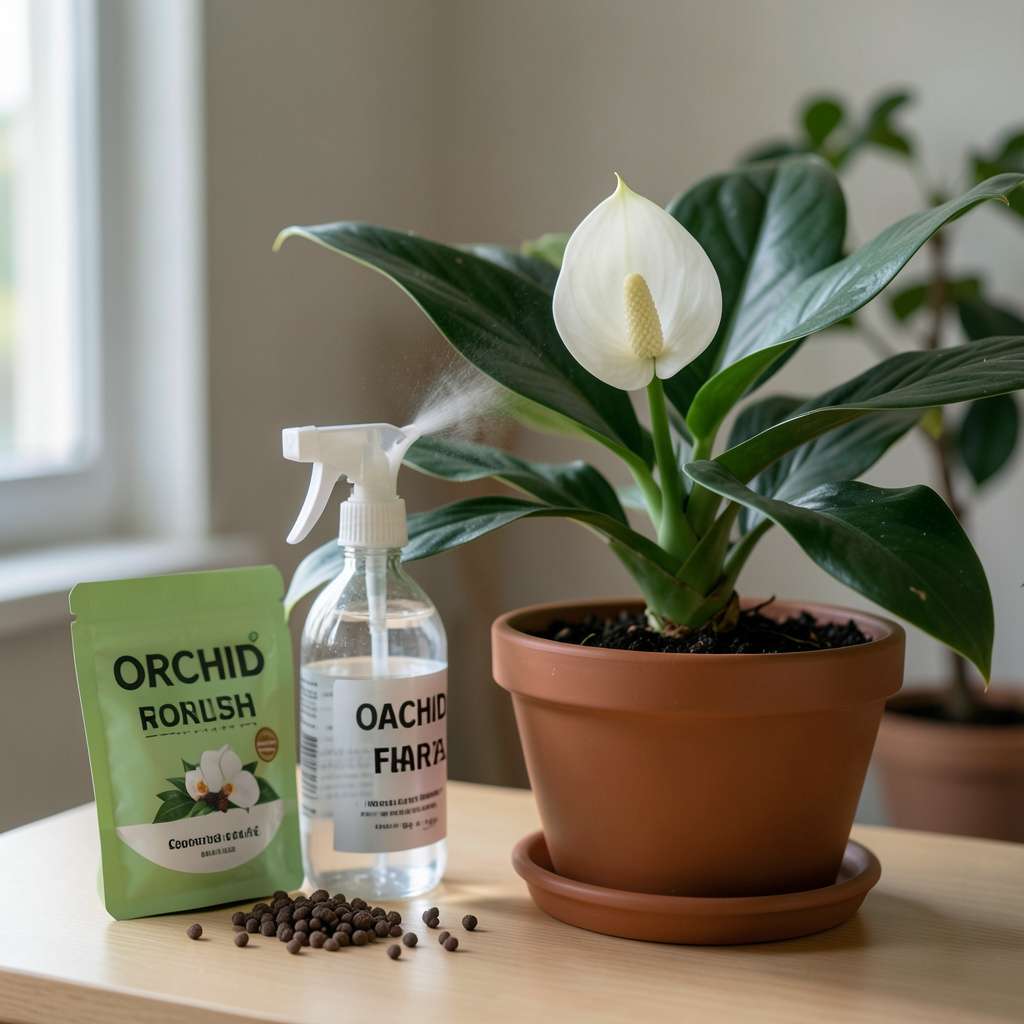
Orchid fertilizer can be used on other plants in diluted form, but its low nitrogen content makes it less ideal for leafy or fast-growing plants. Always test a small amount first to avoid nutrient imbalances or root damage.
I’ve experimented with repurposing orchid fertilizer across my garden, and the key lies in understanding each plant’s nutritional needs. 🌱 Orchids thrive on phosphorus-heavy formulas for blooming, while vegetables and lawns crave nitrogen for leafy growth. The dilution trick works because it reduces the risk of salt buildup that can shock roots. My African violets responded well to a 1:4 ratio, but I noticed my basil plants became leggy without supplemental nitrogen.
What’s fascinating is how orchid fertilizers often include micronutrients like magnesium that benefit other acid-loving plants. 💫 However, I always recommend a soil test first—some houseplants develop yellow leaves when given the wrong nutrient balance. The real secret is observing your plants’ response over 2-3 weeks before committing to regular use.
💡 In This Article
Orchid fertilizers are specially formulated with an NPK ratio that prioritizes phosphorus (P) over nitrogen (N) and potassium (K). A typical orchid formula might read 10-30-20, meaning it contains 3x more phosphorus than nitrogen. This ratio supports blooming and root development in epiphytic orchids, which naturally grow on trees rather than in soil.
🌸 The high phosphorus content stimulates flower production while the lower nitrogen prevents excessive leaf growth that could weigh down delicate orchid stems.
What most gardeners don’t realize is that orchid fertilizers often include micronutrients like magnesium, iron, and calcium in specific ratios that mimic the nutrients orchids absorb from tree bark and rainwater in their native habitats. These micronutrients are chelated (chemically bound) to remain available in the slightly acidic pH range (5.5-6.5) that orchids prefer.
Standard plant foods typically maintain a neutral pH balance, which can reduce the availability of these micronutrients for non-orchid plants over time.
The formulation differences become critical when considering root systems. Orchid fertilizers are designed for plants with exposed roots that absorb nutrients quickly from the air and water. Soil-grown plants process nutrients more slowly through their root hairs and mycorrhizal fungi relationships.
This is why undiluted orchid fertilizer can cause salt buildup in regular potting soil, potentially burning roots and creating a crusty white layer on the soil surface.
Here’s what happens when you use orchid fertilizer on nitrogen-loving plants: The low nitrogen content (10% or less) forces the plant to redirect energy from leaf production to root and flower development.
🌿 For vegetables like lettuce or herbs like basil that depend on rapid leaf growth, this can result in stunted plants with yellowing lower leaves—a classic sign of nitrogen deficiency. The phosphorus overload may also inhibit the plant’s ability to absorb other essential nutrients like zinc and iron.
Consider the osmosis factor too. Orchid fertilizers have higher salt concentrations to match epiphytic plants’ efficient nutrient uptake. When applied to soil plants, this creates an osmotic imbalance where water is drawn out of roots rather than absorbed. You might notice wilting within 24-48 hours of application, even when the soil appears moist.
This is why dilution is non-negotiable—typically 1:4 ratio (1 part fertilizer to 4 parts water) for most houseplants.
The urea content tells another important story. Most standard fertilizers contain urea as a nitrogen source, which soil bacteria convert to usable nitrates. Orchid fertilizers often use ammonium nitrate instead, which is immediately available but can acidify soil over time.
For plants that prefer alkaline conditions (like lavender or rosemary), regular use of orchid fertilizer may gradually create an inhospitable growing environment.
What about the “bloom booster” claims? While the high phosphorus does promote flowering, it works best when balanced with adequate nitrogen and potassium. Using orchid fertilizer on flowering plants like geraniums might give you more blooms initially, but you’ll often see weaker stems and smaller leaves.
The plant essentially becomes “all flower and no substance” without proper nitrogen to support overall growth.
For container plants, the risks multiply because there’s no natural soil buffer. I’ve seen potted tomatoes develop blossom end rot when given orchid fertilizer—the calcium in the formula becomes less available due to the phosphorus dominance, creating a secondary deficiency.
🍅 Always flush containers with plain water every 4-6 weeks if using orchid fertilizer to prevent salt accumulation in the soil.
The real secret lies in understanding your plants’ natural nutrient cycling. Epiphytic orchids have evolved to thrive on “feast or famine” nutrient availability, while most garden plants prefer steady nutrition.
This fundamental difference explains why orchid fertilizer can work as an occasional supplement but rarely as a complete replacement for standard plant food in the long term.
Acid-loving plants like African violets, ferns, and gardenias typically thrive with diluted orchid fertilizer. These plants benefit from the micronutrient profile and slightly acidic pH. Start with a 1:4 ratio and monitor for 7-10 days before wider application.
For most houseplants, apply diluted orchid fertilizer every 3-4 weeks during active growth. Reduce to once every 6-8 weeks in winter. Always water with plain water between applications to prevent salt buildup in soil.
Watch for white crust on soil, leaf tip burn, or sudden yellowing between veins. These indicate salt buildup or nutrient imbalance. If observed, flush soil immediately with 2-3 times the container volume in plain water and pause fertilizing.
Yes, but carefully! A 1:1 ratio with compost tea works well for container gardens. Avoid mixing with high-nitrogen fertilizers, as this can create unpredictable nutrient spikes. Always test on one plant first before full application.
Foliar feeding at 1:5 dilution delivers nutrients directly to leaves, bypassing soil reactions. Best for plants with root absorption issues. Apply early morning to prevent leaf burn, and avoid spraying in direct sunlight.
