
Beautiful Plants For Your Interior
Beautiful Plants For Your Interior
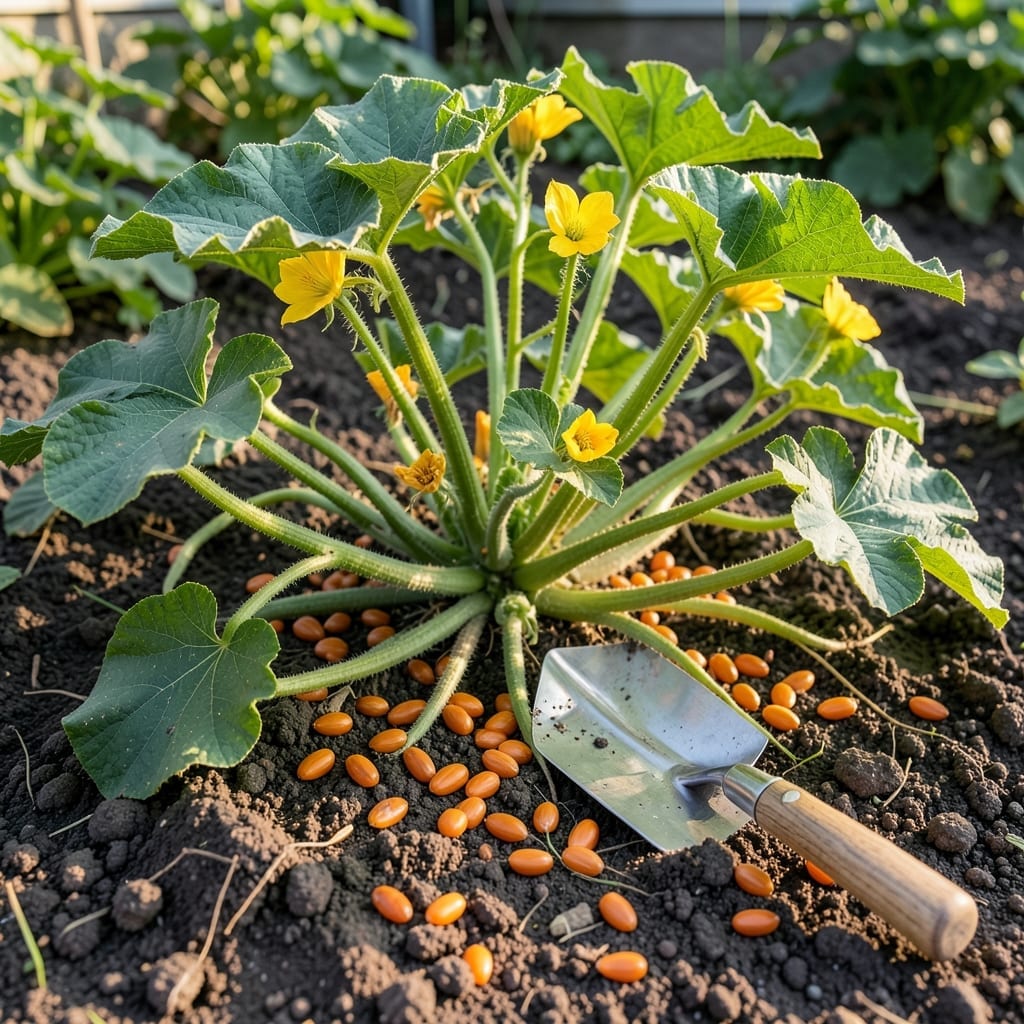
October might seem too late to start your 🎃 pumpkin patch, but don’t give up just yet. With the right conditions and variety, you could still coax a harvest from those seeds.
In zone 6a, the window is tight—most pumpkins need 90 days to mature, and frost often arrives mid-October. But if your area stays warm longer, there’s still hope.
Discover which fast-maturing varieties work best and the simple tricks I use to protect late plantings from early cold snaps.

Planting pumpkin seeds in October is risky but possible in warmer zones. Most varieties need 75-100 days to mature, so timing depends on your first frost date and local climate conditions.
In USDA Zone 6a, frost typically arrives by mid-October, leaving little time for pumpkins to fully develop. However, zones 7-10 may still offer a window for fast-maturing varieties if soil stays warm.
| cell” style=”background-color:#6fd544;color:#fff;font-weight:600;”>Requirement | row”> | cell”>7-10 | row”> | cell”>After Nov 1 | row”> | cell”>60°F+ | row”> | cell”>75-85 days |
Even with ideal conditions, pumpkin vines grow slowly in cooling temperatures. I focus on smaller varieties like ‘Jack Be Little’ or ‘Small Sugar’ which mature in 80-85 days rather than standard 100-day types. Watering becomes critical in fall. I maintain consistent moisture but reduce frequency as temperatures drop. Overwatering in cool weather can lead to root rot, so I let the top inch of soil dry between waterings. If you’re in a borderline zone, consider starting seeds indoors in early October. Transplant when seedlings have 2-3 true leaves and soil temperatures permit. This gives them a 2-week head start on outdoor planting. Remember that daylight hours decrease in fall, which can slow growth. I position my late plantings in the sunnier spots of my garden to maximize light exposure. A south-facing wall can provide additional warmth and protection. Ultimately, October pumpkin planting is a calculated gamble. In my experience, it works best in Zone 8+ with short-season varieties and proper protection. For cooler zones, I recommend focusing on next year’s crop instead. Fast-Growing Pumpkin Varieties for October PlantingIf you’re set on October planting, choosing the right pumpkin variety is crucial. Look for cultivars that mature in under 90 days to beat the frost. I’ve had success with several quick-growing types in my own garden. These short-season pumpkins can produce fruit even with a late start. They typically produce smaller pumpkins, but they’re perfect for fall decor or small pies. The key is selecting varieties bred for quick maturation and cool tolerance.
I recommend ‘Jack Be Little’ for beginners. It’s not only fast-growing but also disease-resistant and produces adorable mini pumpkins. These are perfect for fall displays and children’s activities. ‘Small Sugar’ is my go-to for pie pumpkins. Despite its small size, it packs sweet, dense flesh. The vines are compact, making it ideal for small gardens or container growing. For those wanting a slightly larger pumpkin, ‘Early Abundance’ is excellent. It produces 4-6 lb fruits that are great for both carving and cooking. I’ve found it particularly cold-tolerant for late plantings. Remember that even with fast varieties, you’ll need to provide optimal conditions. I always use black plastic mulch to warm the soil and row covers to protect from early frosts. This combination can extend your growing season by 2-3 weeks. In my experience, direct sowing works best for these quick varieties. Transplanting can stress the plants and delay growth. Just ensure your soil temperature stays above 60°F for best germination rates 🌱 |