
Beautiful Plants For Your Interior
Beautiful Plants For Your Interior
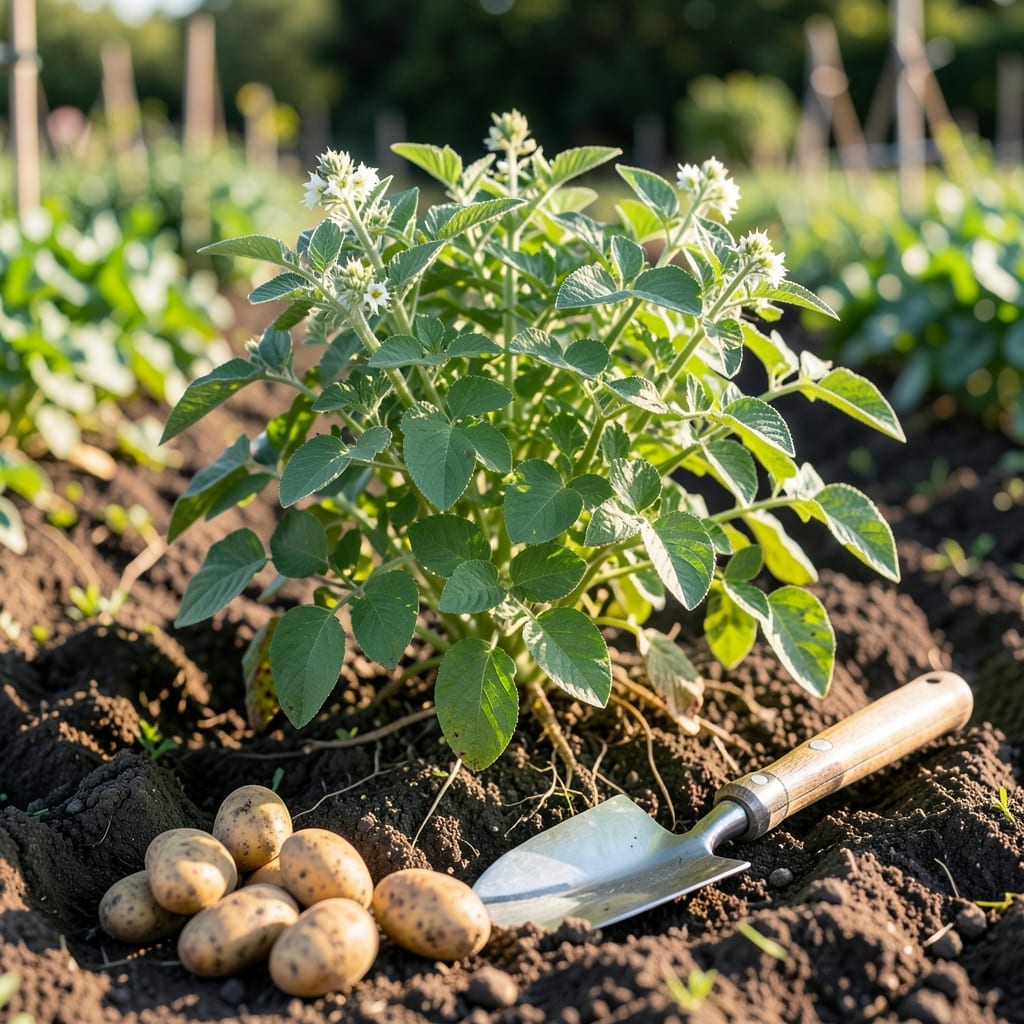
Timing is everything when it comes to planting Potato 🥔. Get it right, and you’re looking at a thriving garden full of healthy, homegrown spuds. Get it wrong, and you might end up with a sad, stunted crop.
As a gardener in zone 6, I know the struggle of figuring out the perfect window. The good news? There’s a simple way to determine if now is the right time for your soil and climate.
Let me walk you through the key factors to consider before you grab your trowel. You’ll discover how to check soil readiness and local frost dates for the best results.

If you’re wondering “can I plant potatoes now”, the answer depends on your USDA hardiness zone. Potatoes thrive when planted in cool soil, ideally 45-55°F, and need 2-3 weeks before your last frost date.
In zone 6, like where I garden, the sweet spot is March to April. But if you’re in zone 8 or warmer, you might plant as early as February. Colder zones, like zone 4, should wait until late April or May. ☀️
| Zone | Planting Window | Last Frost Date |
|---|---|---|
| Zones 3-4 | Late April – May | May 15 |
| Zones 5-6 | March – April | April 15 |
| Zones 7-8 | February – March | March 15 |
| Zones 9-10 | January – February | February 15 |
Early-season potato varieties like Yukon Gold or Red Norland are perfect for planting 2-3 weeks before your last frost. They mature in about 60-90 days, so timing is critical.
For mid-season types, such as Kennebec, aim to plant 1-2 weeks after your early varieties. These need 90-110 days to mature, so they benefit from slightly warmer soil.
Late-season potatoes, like Russet or Sweet, require the longest growing season. Plant these only if your frost-free days exceed 120 days. In cooler zones, start them indoors in containers for a head start. 🌱
Soil temperature is non-negotiable. If your soil is below 40°F, potatoes won’t sprout. Use a soil thermometer to check. I’ve made the mistake of planting too early, and the seed potatoes just sat there, rotting in cold, wet soil.
Also, consider your local microclimate. Urban areas or south-facing slopes warm up faster. If you’re in a low-lying area, frost might linger longer, so delay planting by a week or two.
If you miss the ideal window, don’t panic. Potatoes are forgiving. In warmer zones, you can even plant a second crop in late summer for a fall harvest. Just ensure they mature before the first frost.
Ultimately, the best answer to “can I plant potatoes now” is to check your zone, soil temp, and frost dates. When in doubt, wait for consistently warm soil and stable weather. 🪴
Before you plant, checking your soil temperature is a must. Potatoes need a minimum of 45°F to sprout, and 50-55°F is ideal. If it’s too cold, your seed potatoes will rot instead of grow.
I always use a soil thermometer for accuracy. Stick it 4-6 inches deep in the morning for the best reading. If you don’t have one, a meat thermometer works in a pinch. ☀️
Moisture matters too. Your soil should be damp but not soggy. If it sticks together when squeezed but crumbles when touched, it’s perfect. Too wet, and you risk rot; too dry, and tubers won’t form well.
Another trick is watching for weeds. When they start growing, your soil is warm enough. I’ve found this a reliable sign in my zone 6 garden. It’s nature’s way of giving you the green light.
If your soil isn’t ready, don’t rush it. Use black plastic mulch to warm the soil faster. This can shave 1-2 weeks off your wait time. Just remove it before planting to avoid overheating. 🌱
Finally, remember that early varieties like Yukon Gold tolerate cooler soil better than late types. If you’re eager, start with these. But always prioritize soil conditions over calendar dates.