
Beautiful Plants For Your Interior
Beautiful Plants For Your Interior
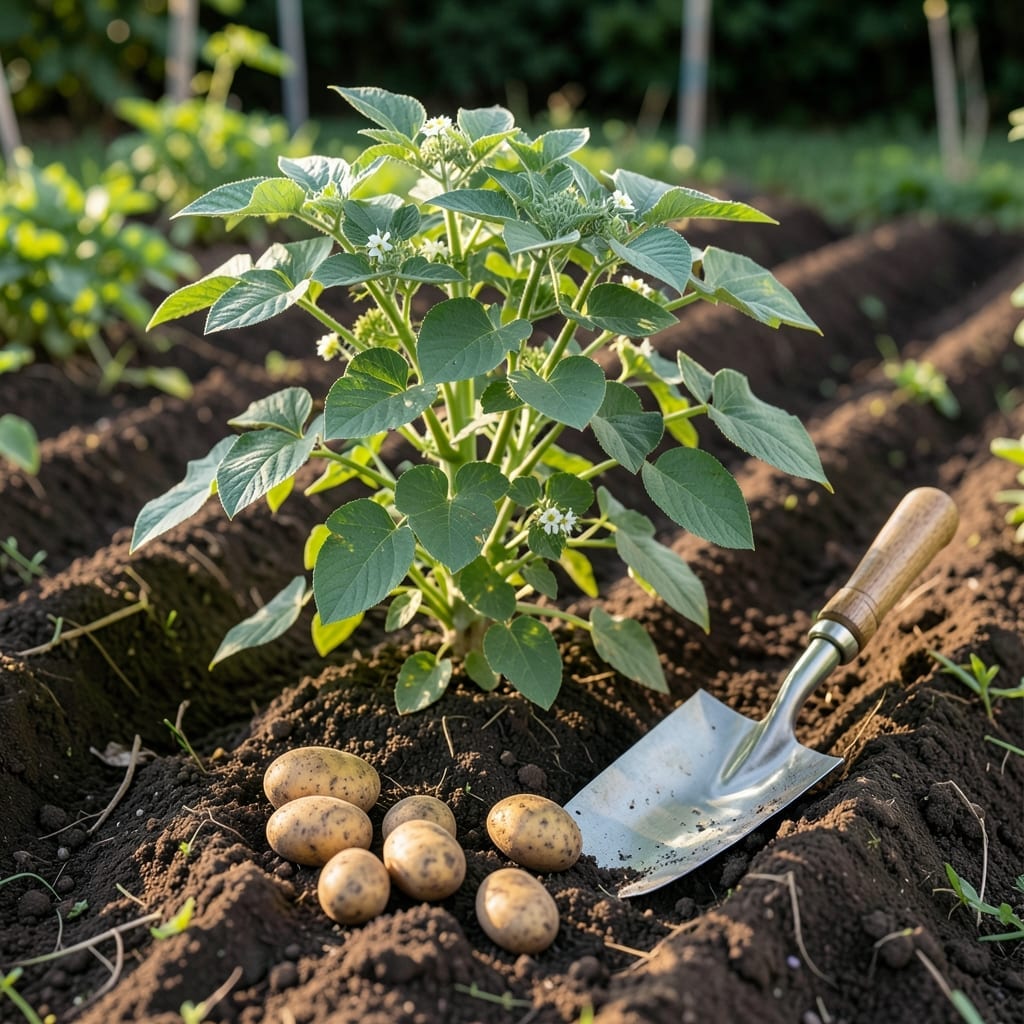
Wondering if July is too late to get 🥔 Potato plants in the ground? The good news is that with the right approach, you can still grow a successful late-season harvest of spuds.
While spring is the most popular time to plant, summer planting can work in many regions. The key is understanding your local climate and choosing the right potato varieties.
I’ve tested late planting myself, and with proper soil preparation and care, you can enjoy homegrown potatoes even when planted in July. Let me walk you through what works and what to watch out for.
We’ll cover everything from variety selection to harvest expectations, so you can decide if this approach is right for your garden.

Yes, you can plant potatoes in July, but success depends on your climate zone and the potato variety you choose. In warmer regions, late planting is feasible if you pick fast-maturing types.
For USDA zones 7-10, July planting works well for fall harvests. Cooler zones may struggle unless you use container gardening to extend the season.
| Factor | Requirement |
|---|---|
| Variety Type | Early Season (60-90 days) |
| Soil Temp | 50-70°F for best growth |
| Sun Needs | 6-8 hours daily minimum |
| Watering | 1-2 inches weekly |
I recommend Yukon Gold or Red Pontiac for July planting. These early varieties mature in 70-90 days, perfect for avoiding early frosts.
In hot climates, plant 4-6 inches deep to protect tubers from heat stress. Use mulch heavily to retain moisture and cool the soil.
Container gardening offers more control over soil temperature and moisture. A 5-gallon bucket can yield 5-10 pounds of potatoes if managed well.
Watch for pests like Colorado potato beetles in summer. Hand-pick daily or use neem oil for organic control. Early detection prevents major damage.
If your area gets early frosts, start potatoes in containers indoors in late June. Move them outside in July for extended growing time.
Soil preparation is critical for July planting. Mix in compost and balanced fertilizer before planting to boost initial growth.
Remember that yield may be smaller than spring plantings. But with proper care, you can still enjoy fresh homegrown potatoes by fall 🌱
Planting potatoes in July is possible with the right preparation. I’ve found that early-maturing varieties like Yukon Gold or Red Pontiac work best for late starts. The key is cool soil and consistent moisture to beat the heat.
Start by pre-sprouting seed potatoes indoors for 2-3 weeks before planting. This gives them a head start in warm conditions. Choose a shady spot or use mulch heavily to protect from summer sun.
I always water potatoes early in the morning to prevent evaporation and reduce disease risk. Aim for 1-2 inches per week, increasing slightly if the weather is extremely hot.
For best results, monitor soil temperature. If it’s above 80°F, consider container gardening where you can control conditions better. Fabric grow bags are my go-to for this.
Expect a smaller harvest than spring planting, but new potatoes can still form in 60-70 days with proper care. Keep an eye out for pests like flea beetles, which thrive in summer.
Don’t forget to stop watering once the foliage yellows to let tubers mature. Harvest when plants die back or before the first frost hits. ✂️