
Beautiful Plants For Your Interior
Beautiful Plants For Your Interior
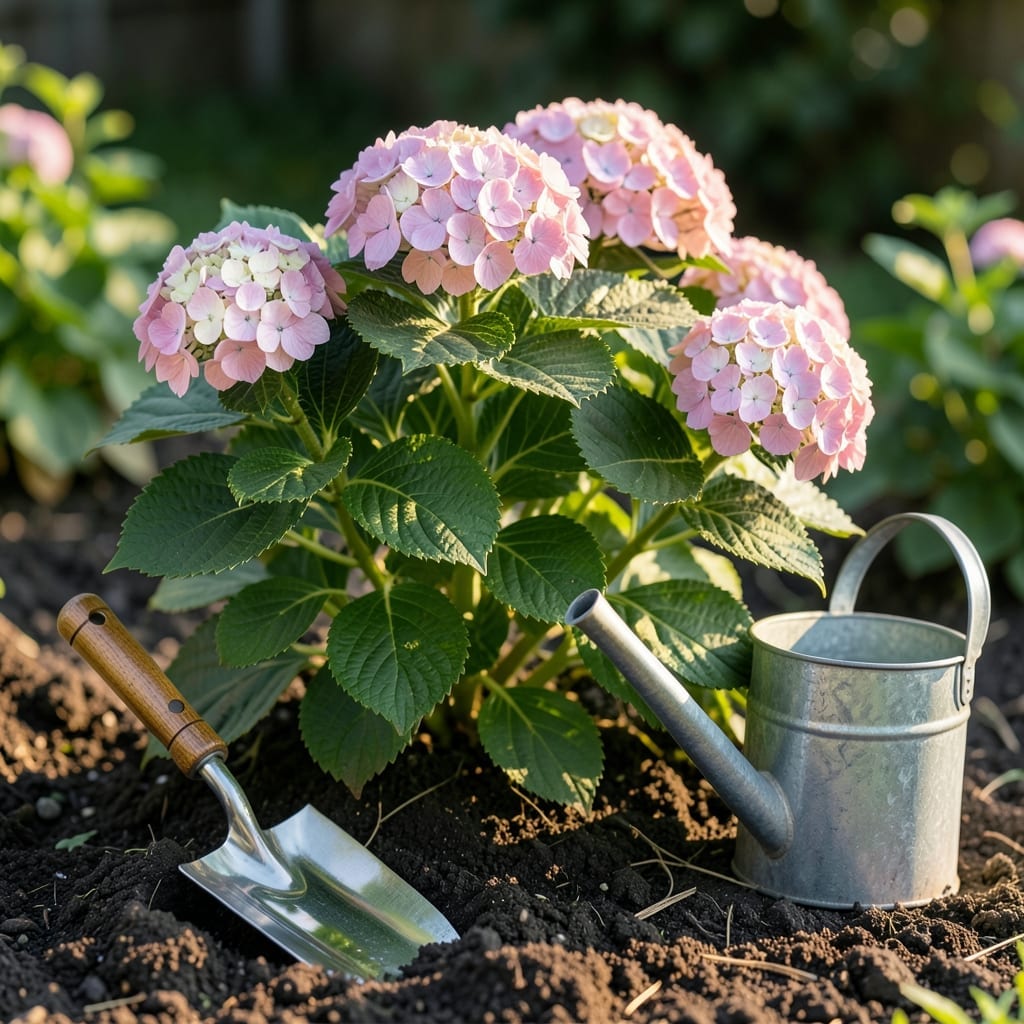
Planting hydrangeas in August might seem like a gamble, but I’ve seen gardeners pull it off beautifully with the right approach. The 🌸 Hydrangea is more adaptable than you think.
Late summer planting does come with challenges, especially in zone 6. The heat can stress young plants, and time is short before winter arrives.
But don’t let that stop you. With proper site selection, consistent watering, and a little extra care, your Hydrangea can establish roots before the cold sets in.
Let me show you exactly how to make August planting work and when it might be better to wait. The results could surprise you.


Planting hydrangeas in August is possible, but it’s not the ideal time for most regions. The late summer heat can stress young plants, making it harder for roots to establish before winter arrives.
However, if you’re in a milder climate zone (like USDA Zones 7-9), August planting can work with extra care. The key is ensuring the soil stays moist and the plant gets afternoon shade to reduce heat stress.
| Factor | Consideration |
|---|---|
| Climate Zone | Zones 7-9: Better success |
| Hydrangea Variety | Panicle hydrangeas tolerate heat best |
| Soil Prep | Amend with compost for moisture retention |
| Post-Planting Care | Deep watering 2-3x weekly |
I always recommend checking your local frost dates. In Zone 6 or colder, August planting is risky because roots need 6-8 weeks to settle before the first frost. If winter comes early, the plant may not survive.
For best results, choose container-grown hydrangeas over bare-root plants. The established root system in containers handles transplant shock better. Also, morning planting reduces heat stress on the first day.
Soil preparation is critical in August. I mix in organic compost and a slow-release fertilizer to give roots a nutrient boost. This helps the plant recover faster from transplant shock and build resilience before winter.
After planting, mulch heavily with 2-3 inches of wood chips or pine bark. Mulch keeps the soil temperature stable and retains moisture, which is vital in late summer heat.
Watering is non-negotiable for August-planted hydrangeas. I water deeply every 2-3 days for the first 2 weeks, then taper to weekly deep soaks. Avoid overhead watering to prevent fungal diseases.
If you’re in a hot climate, consider temporary shade cloth for the first 1-2 weeks. This protects the young foliage from scalding sun while roots adjust. Remove it once the plant shows new growth.
Finally, avoid pruning after planting in August. The plant needs all its foliage to photosynthesize and store energy for winter. Pruning now could weaken the plant before dormancy. 🌿
Planting hydrangeas in August is possible, but timing and technique are everything. I always recommend early morning planting to avoid heat stress on these sensitive shrubs. The key is giving roots enough time to establish before winter arrives.
Choose a partially shaded spot with well-draining soil. Hydrangeas despise soggy roots, so amending heavy clay with organic compost can make all the difference. Dig a hole twice as wide as the root ball for best results.
After planting, I water deeply every 2-3 days for the first week, then taper to weekly watering. August heat can dry soil quickly, so check moisture by sticking your finger 2 inches deep into the soil.
For newly planted hydrangeas, I avoid fertilizing until spring. The stress of late-season planting means the plant needs to focus on root development, not foliage growth. A root stimulator can help speed up establishment.
If you’re in hotter zones (7-9), consider providing temporary shade cloth for the first week. This protects young plants from intense afternoon sun while they adjust to their new home.
Remember, August planting works best for container-grown hydrangeas. Bare-root plants typically need more time to establish and are better suited for spring or fall planting in most regions.
With proper care, your August-planted hydrangeas can thrive and reward you with gorgeous blooms next season 🌸