
Beautiful Plants For Your Interior
Beautiful Plants For Your Interior
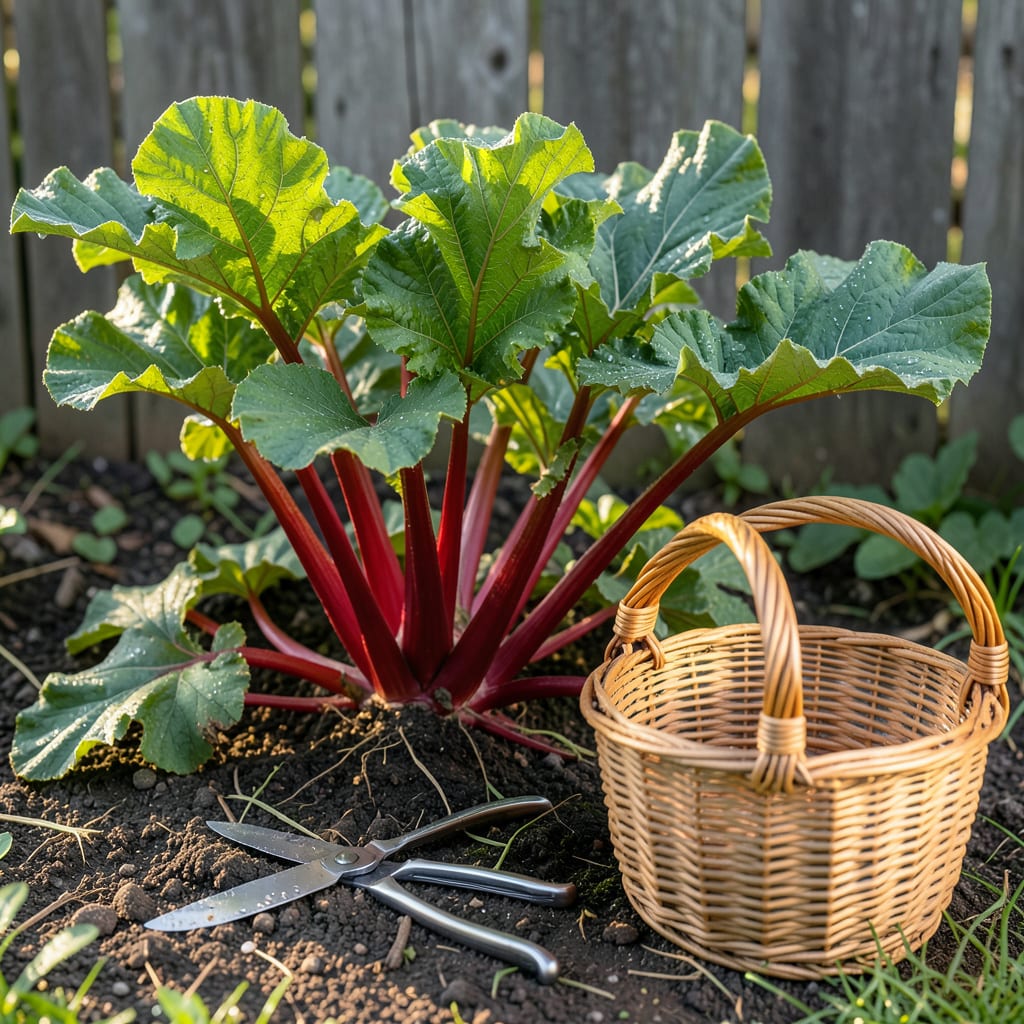
I get why you’re tempted to extend your rhubarb harvest into October – those tart stalks are just too good to resist. But here’s what you need to know before grabbing your knife.
The 🌱 Rhubarb plant has a natural rhythm, and pushing harvest too late can impact next year’s growth. Let me explain the risks and best practices for late-season picking.


I know the temptation to squeeze in one last rhubarb harvest before winter sets in. October can work, but only if your plant is mature and your climate stays frost-free.
For safe October harvesting, focus on plants at least 3 years old with thick, firm stalks. Younger plants need that energy to establish strong roots for next year.
In my experience, morning harvests work best in October. The stalks are crispest after the cool night air, and you avoid the wilting that can happen in warmer afternoon temperatures.
Watch for frost warnings in your area. Even a light frost can damage rhubarb leaves and stalks, making them unsuitable for harvest. I always check my local weather forecast before planning an October picking.
If you’re in USDA zones 6-8, you might get away with an October harvest. But in colder zones, I’d recommend stopping by late September to be safe. The plant needs time to store energy for winter.
Remember that over-harvesting in fall can weaken your plant. I’ve seen rhubarb crowns produce fewer stalks the following spring when pushed too hard in autumn. Moderation is key.
For the healthiest plants, I always mulch heavily after my final harvest. This protects the crown from temperature swings and helps conserve moisture during the plant’s dormant period.
If you do harvest in October, avoid fertilizing afterward. The plant is preparing for dormancy, and late-season feeding can encourage tender new growth that’s vulnerable to frost damage.
Lastly, keep in mind that flavor changes in late-season rhubarb. The stalks can become more fibrous and less sweet as temperatures drop, so adjust your expectations accordingly.
With these precautions, you can safely enjoy a final rhubarb harvest before winter arrives ☀️
I always caution gardeners about late-season rhubarb harvesting. While October picking is possible, it carries risks that can compromise your plant’s health and next year’s yield.
The biggest danger is frost damage. Rhubarb stalks become soft and mushy after exposure to freezing temperatures, making them inedible. Even a light frost can signal it’s time to stop harvesting for the season.
• Reduced plant vigor from over-harvesting before dormancy
• Frost-damaged stalks that become inedible
• Weaker spring growth if crowns aren’t allowed to rest
• Increased disease risk from wet, cooling conditions
Another concern is plant exhaustion. Rhubarb needs time to rebuild its root reserves before winter. Harvesting too late or too much can leave the crown with insufficient energy to survive cold months.
I’ve found that younger plants are particularly vulnerable. If your rhubarb is less than 3 years old, I strongly recommend avoiding October harvests entirely to allow proper establishment.
To mitigate these risks, I always stop harvesting at least 2 weeks before the first expected frost. This gives the plant time to recover and prepare for dormancy.
Also watch for signs of stress like yellowing leaves or stunted growth. These indicate your plant is already struggling and shouldn’t be harvested further.
By understanding these risks and planning accordingly, you can enjoy your rhubarb without jeopardizing its future health 🌱
I love that some rhubarb varieties can give you a longer harvest window. If you’re hoping to pick into October, choosing the right cultivar makes all the difference.
In my garden, I’ve found that cold-hardy varieties like ‘Canada Red’ and ‘MacDonald’ often produce usable stalks later into the season. Their thick stalks hold up better to cooler temperatures.
| Variety | Harvest Window | Cold Tolerance |
|---|---|---|
| Canada Red | Early to mid-late season | Excellent |
| MacDonald | Mid to late season | Very good |
| Valentine | Mid-season | Good |
| Victoria | Early to mid-season | Moderate |
I’ve noticed that green-stalked varieties like ‘Victoria’ sometimes continue producing later than red types. However, their flavor is typically milder and they’re less cold-hardy overall.
For the longest harvest, I recommend planting multiple varieties with staggered maturity dates. This way, as one variety slows down, another may still be producing usable stalks.
Remember that even with the best varieties, October harvesting depends on your local climate. In my experience, these cultivars give you the best chance for a successful late-season harvest 🌱
No, avoid harvesting after any frost exposure. Frozen stalks become mushy and inedible, and the plant needs to conserve energy for winter survival.
Take no more than 1/3 of stalks per mature plant, leaving plenty for the crown to recover. Over-harvesting now reduces next year’s yield significantly.
No, cold-hardy types like ‘Canada Red’ or ‘MacDonald’ tolerate late harvests better than others. Check your specific cultivar’s characteristics.
Stop harvesting at least 2 weeks before your first expected frost. In most zones, this means ending by early October to protect plant health.
