
Beautiful Plants For Your Interior
Beautiful Plants For Your Interior
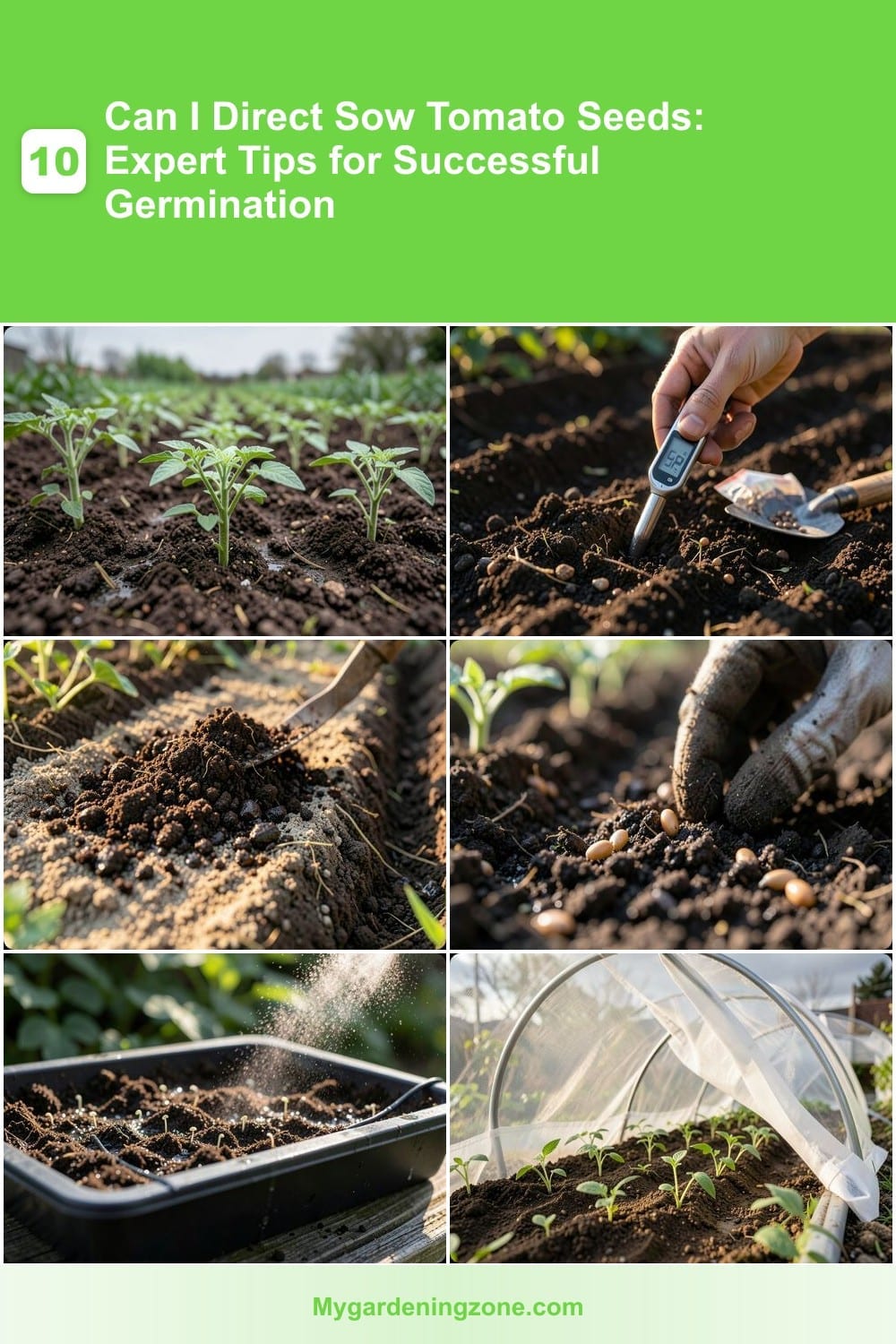
Wondering if you can skip the seedling stage and plant tomato seeds directly in your garden? Direct sowing offers surprising benefits for certain climates and tomato varieties. Discover expert tips to make it work for your garden.
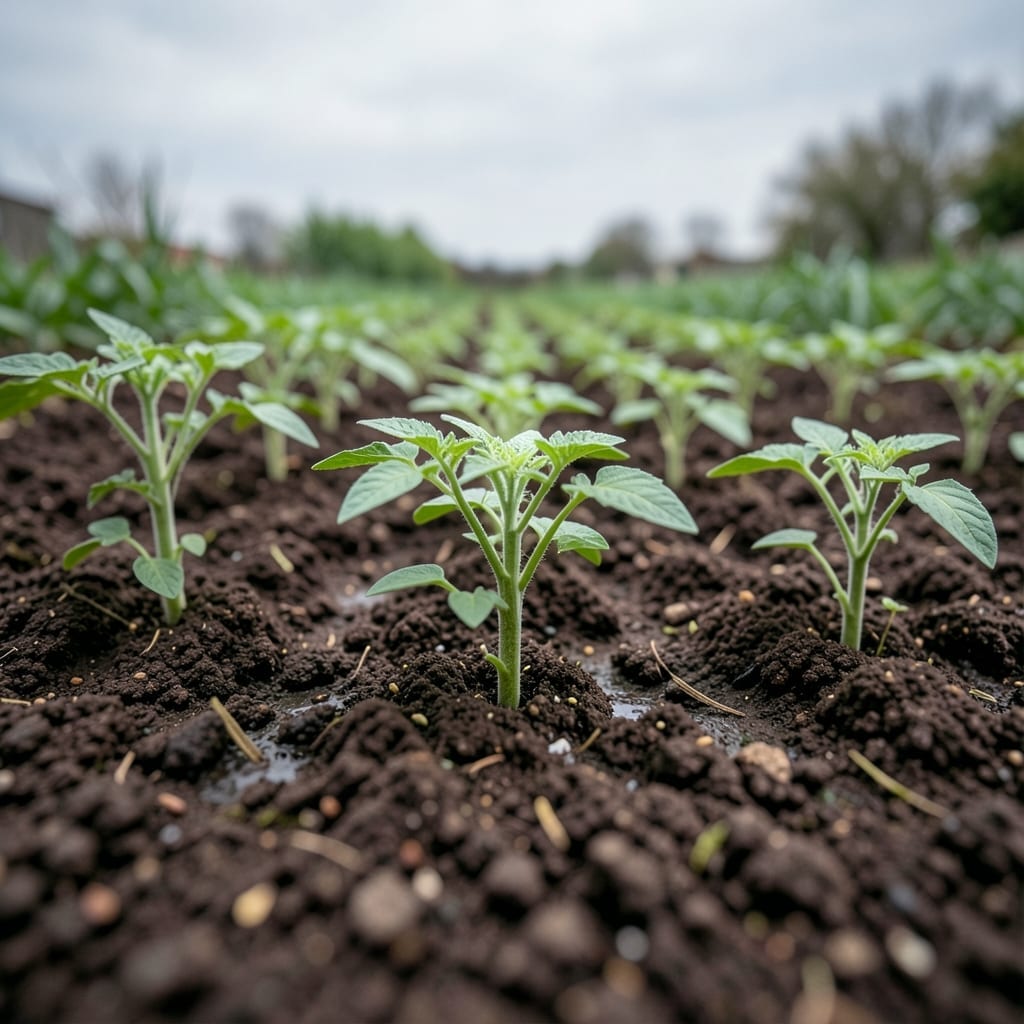
If you’re in a short-season climate, direct sowing can be a game-changer for growing tomatoes without the hassle of starting seedlings indoors.
Varieties like ‘Stupice’ and ‘Glacier’ are bred for speed, maturing in as little as 50-60 days. These compact, disease-resistant plants handle cooler soils better than most and produce reliable harvests even in unpredictable springs.
Perfect for gardeners who want fresh tomatoes fast or those with limited indoor growing space. 🌱
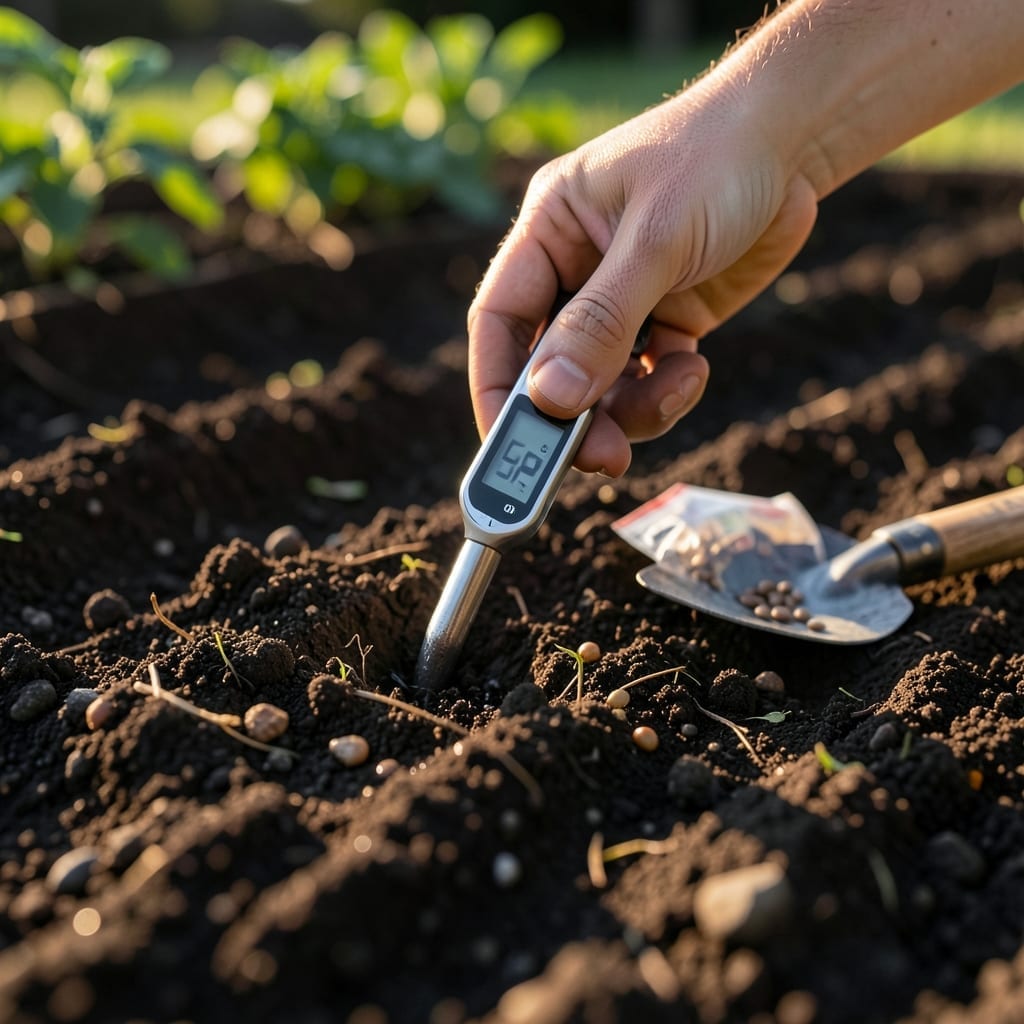
Planting tomato seeds too early is a common mistake that can delay your entire growing season. Soil temperature is the key—tomato seeds won’t germinate until the earth warms above 60°F.
A simple soil thermometer takes the guesswork out of timing. Check the temperature at a 2-inch depth in the morning for the most accurate reading. If it’s still chilly, wait a week and test again—your patience will be rewarded with faster, stronger sprouts.
This tip is especially valuable for gardeners in regions with slow-spring warm-ups. Avoid the frustration of rotten seeds and empty rows. 🌱
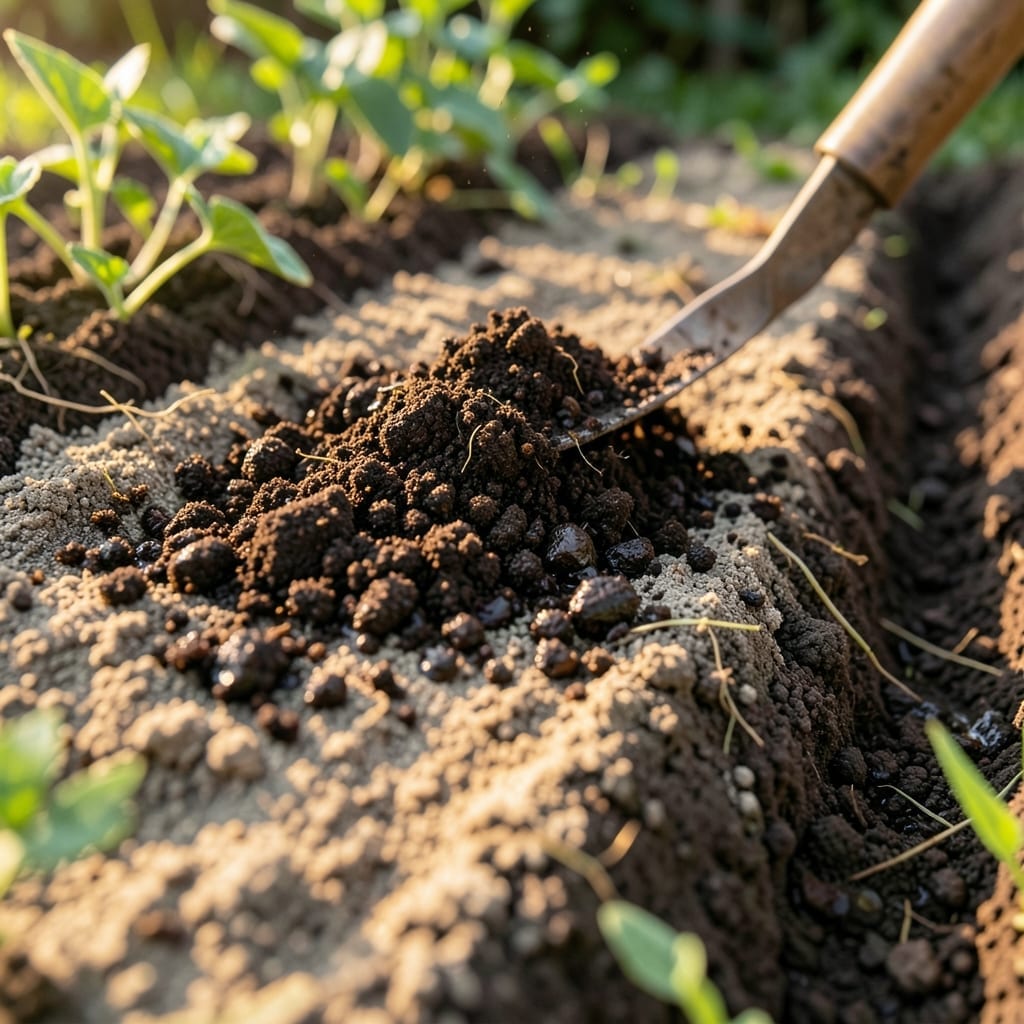
Your tomato seeds deserve better than compacted, waterlogged soil. The secret to direct sowing success starts with preparing a bed that drains well and nourishes young roots from day one.
Work in 2-3 inches of compost to improve soil structure, especially if you’re dealing with heavy clay. This prevents water from pooling around seeds, which can rot them before they even sprout. Loosen the soil to a depth of 12 inches for the best root development.
This preparation pays off with faster germination and stronger seedlings, especially for gardeners in rainy climates or those with less-than-ideal native soil. 🌱
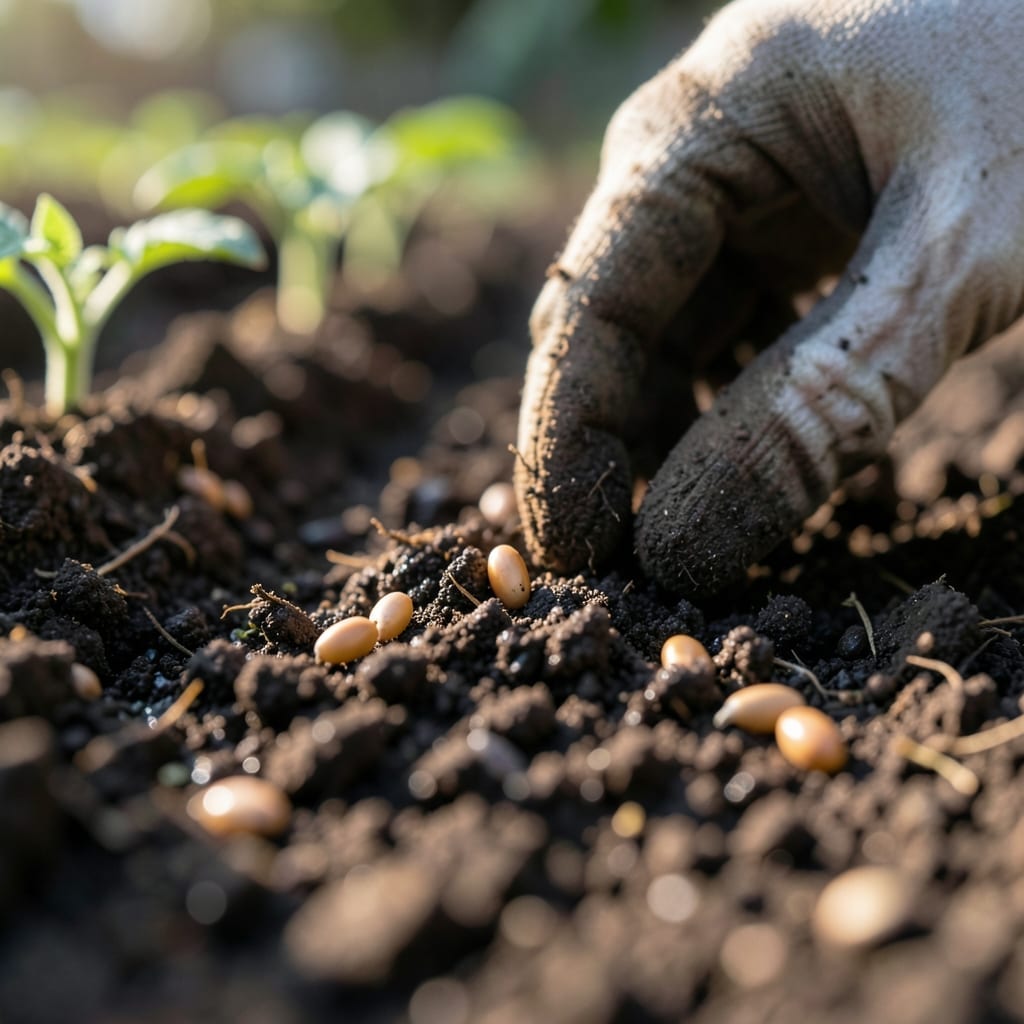
Getting the planting depth right can make or break your direct-sown tomato seeds. Go too deep, and they may struggle to emerge; too shallow, and they risk drying out before sprouting.
For best results, plant seeds precisely 1/4 inch deep. This sweet spot keeps them warm enough for quick germination while ensuring soil contact retains the moisture they need to thrive. Use your finger or a small stick to create consistent furrows.
This method works especially well for gardeners in warm climates or those with well-draining soil. 🌱
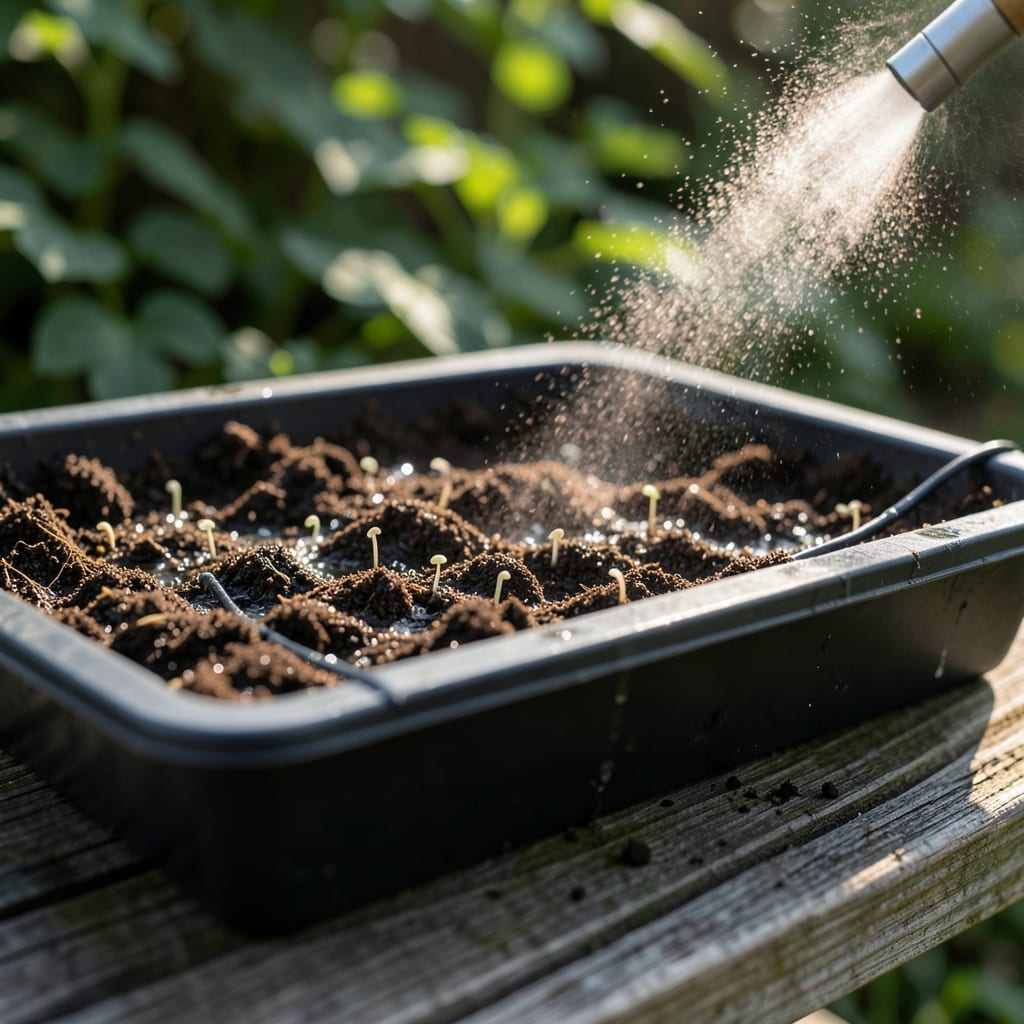
Newly sown tomato seeds need consistent moisture to germinate, but too much water can wash them away or cause rot. The key is maintaining a delicate balance—think damp, not drenched.
Use a gentle spray nozzle or drip irrigation to water lightly but frequently, especially in warm weather. A fine mist keeps the soil surface moist without dislodging seeds or creating puddles. Check soil moisture daily by pressing your finger lightly into the top inch.
This method works best for gardeners who want to ensure strong, even germination without disturbing their carefully planted rows. 🌱
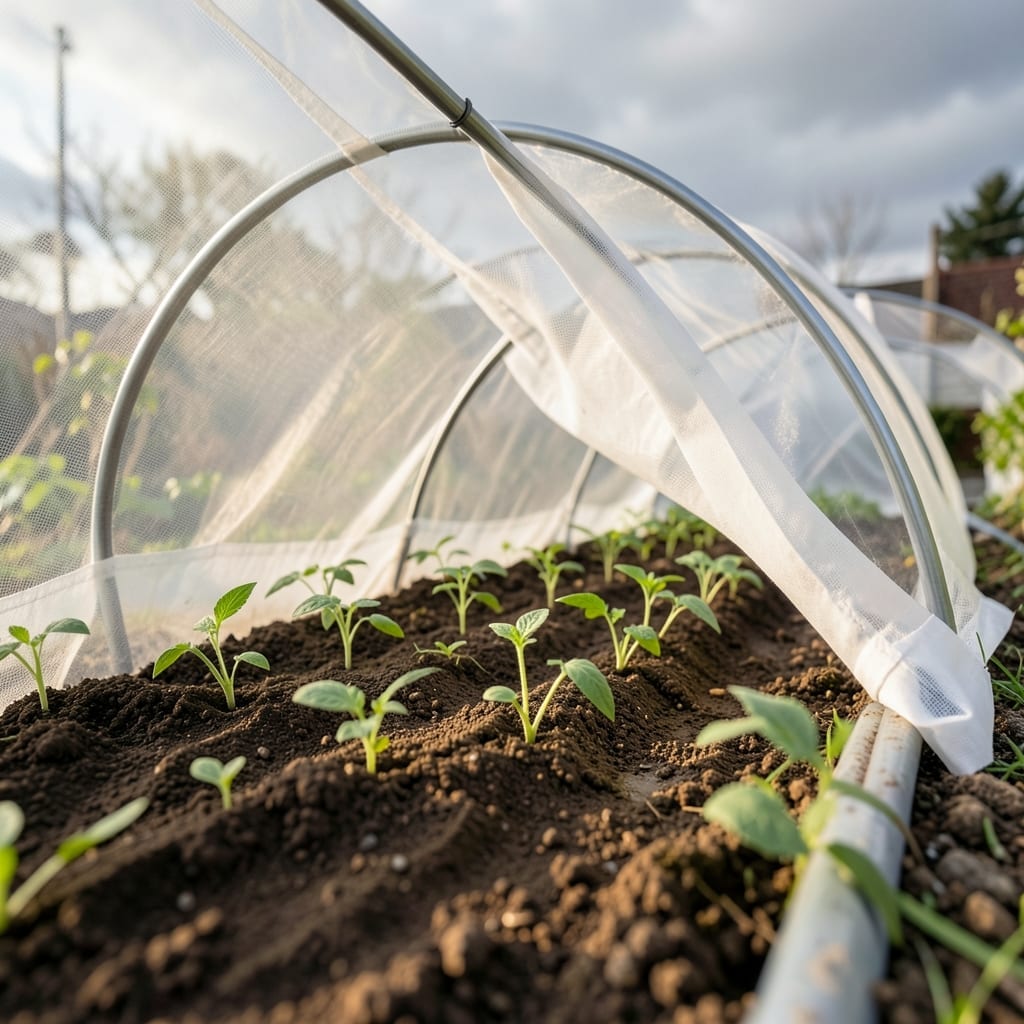
Row covers are the unsung heroes for direct-sown tomato seeds, offering a simple way to shield your garden from unpredictable spring weather.
These lightweight fabric barriers trap heat to keep soil warm while blocking pests like flea beetles and protecting against late frosts. They also reduce wind damage and help maintain consistent moisture—critical for germination. Secure them with stakes or soil to prevent blowing away.
Ideal for gardeners in regions with erratic spring weather or those wanting to extend their growing season by a few precious weeks. 🌱
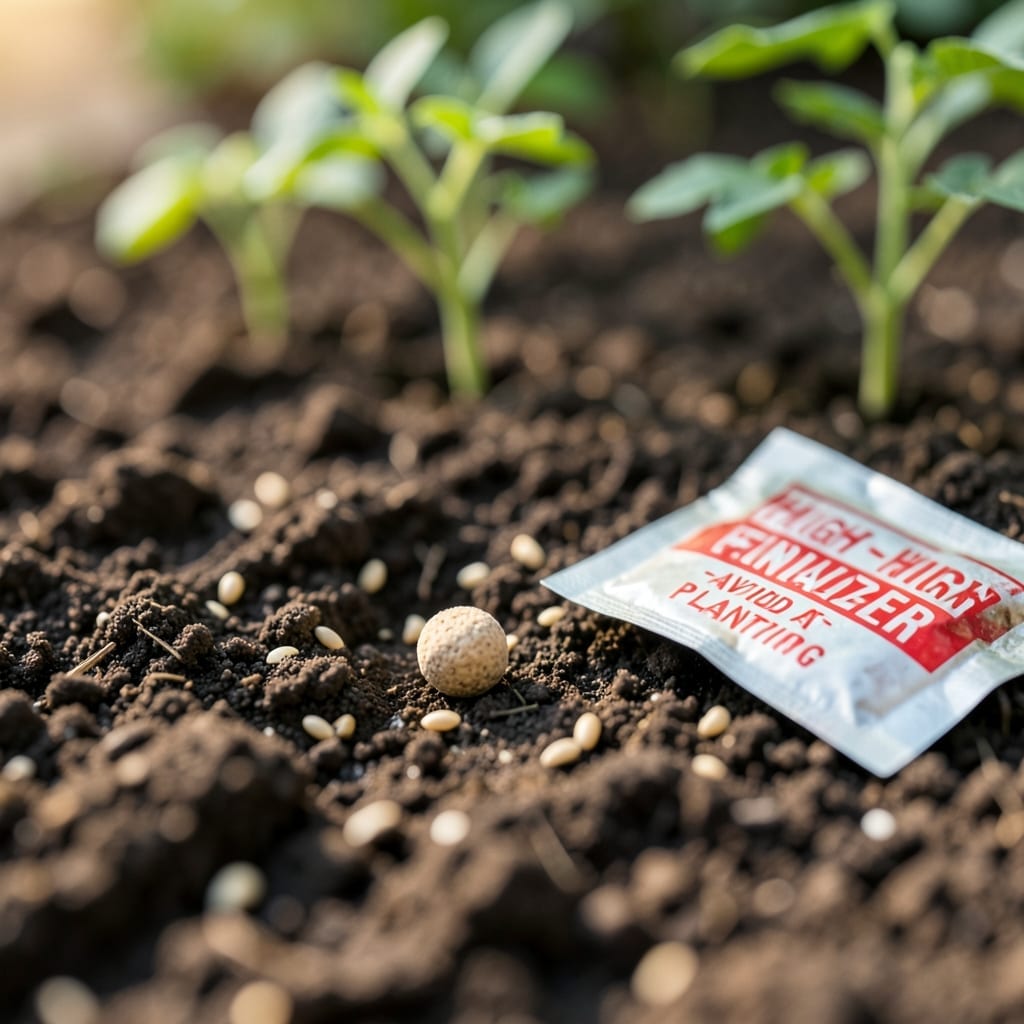
Timing your fertilizer right can make or break direct-sown tomato seeds. Skip the high-nitrogen options at planting—these can harm delicate seeds and slow germination.
Once seedlings emerge, switch to a balanced, slow-release fertilizer to nourish young plants without burning them. This gives roots steady nutrition while preventing the shock of sudden nutrient surges. A 10-10-10 formula works well for most garden soils.
This approach is ideal for gardeners who want strong starts without risking seed damage. 🌱
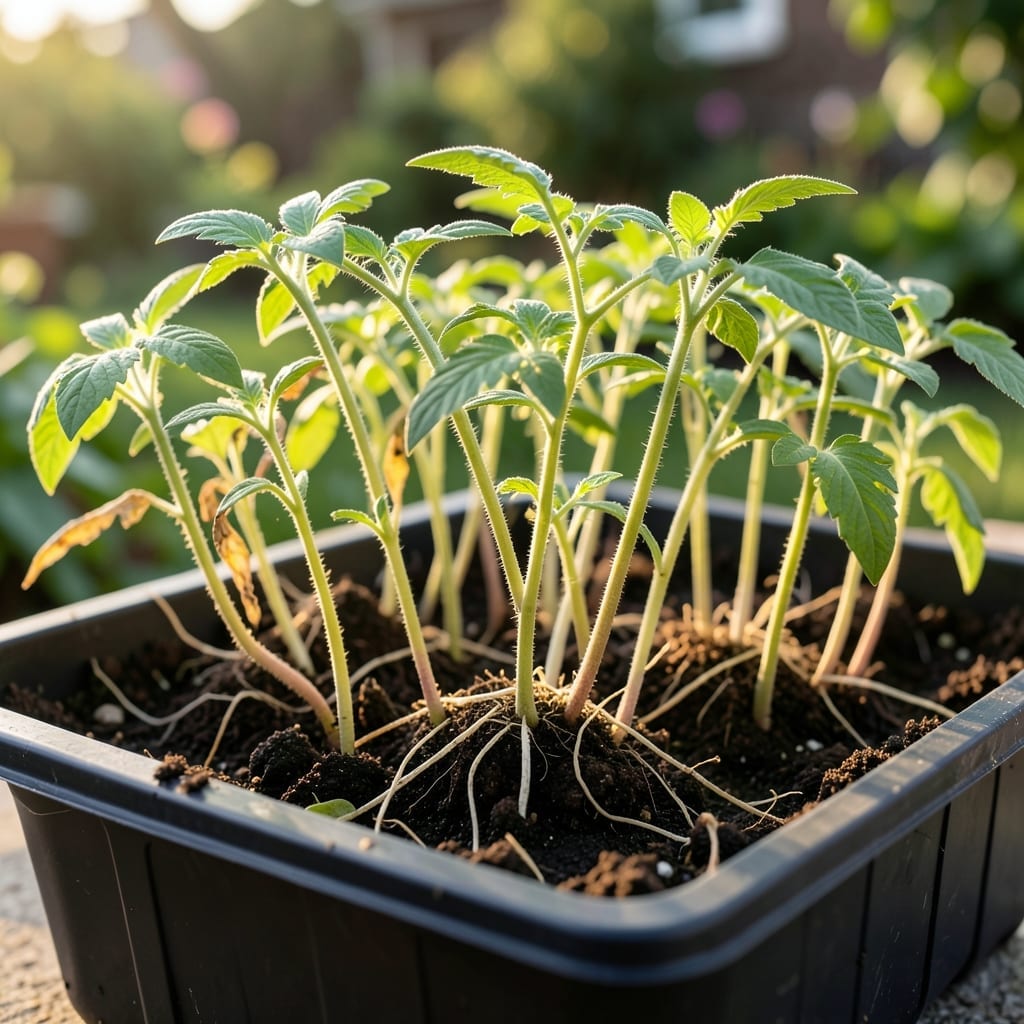
Crowded tomato seedlings compete for sun, water, and nutrients, leading to weak, spindly plants that struggle to thrive. Thinning isn’t just helpful—it’s essential for a strong, productive garden.
Once your seedlings have 2-3 true leaves, use scissors to snip weaker plants at soil level, leaving the strongest seedling per 12-18 inches. This spacing prevents overcrowding and allows each plant to develop a robust root system and sturdy stem.
This step is especially important for gardeners aiming for high yields or those growing larger tomato varieties. Strong plants mean bigger harvests. 🌱
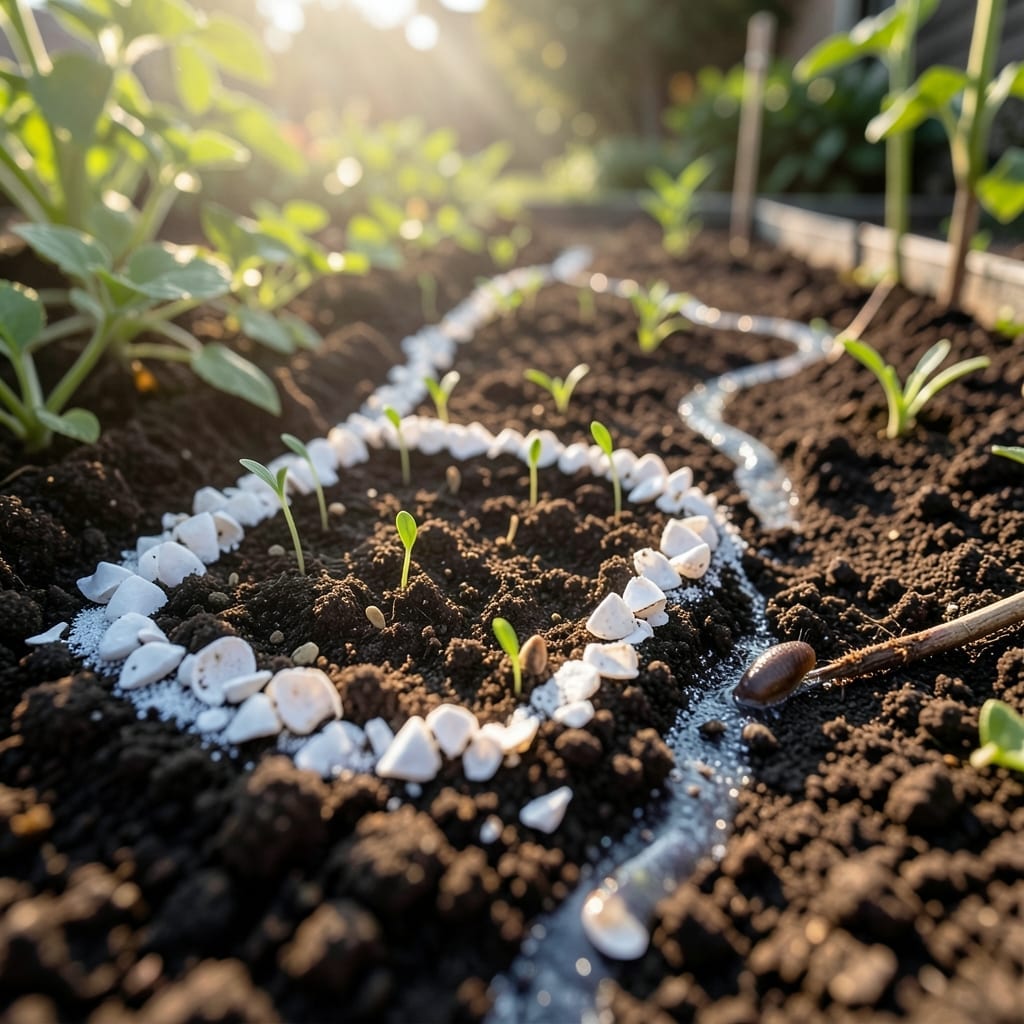
Nothing derails direct-sown tomatoes faster than pests moving in before your seedlings even emerge. Slugs, cutworms, and birds love fresh tomato seeds, but simple organic barriers can stop them in their tracks.
Create a protective ring around planting areas with crushed eggshells or diatomaceous earth. These natural deterrents irritate soft-bodied pests while providing calcium for your plants. Reapply after heavy rain for continued protection.
This method is perfect for organic gardeners who want to avoid chemicals while keeping their direct-sown tomatoes safe from the start. 🌱
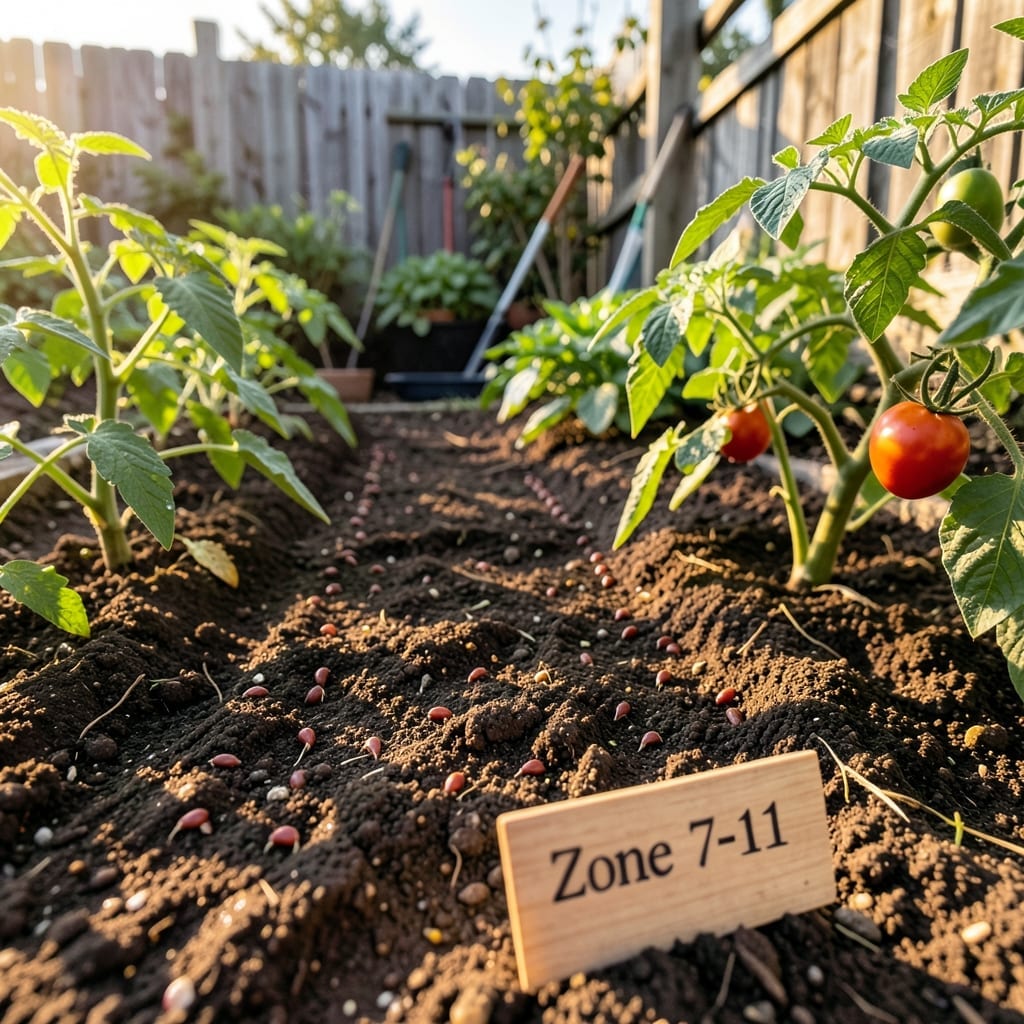
Your location plays a huge role in whether you can successfully direct sow tomato seeds. Gardeners in USDA zones 7-11 have the best luck, as these warmer regions provide the consistent heat tomato seeds need to germinate and thrive.
If you’re in a cooler climate, don’t give up hope. Starting seeds indoors or using season extenders like cold frames or row covers can help bridge the gap, giving your seeds the warmth they crave. Check your zone before planting to avoid disappointment.
This knowledge is especially useful for gardeners eager to get a head start or those in transitional climates. 🌱