
Beautiful Plants For Your Interior
Beautiful Plants For Your Interior
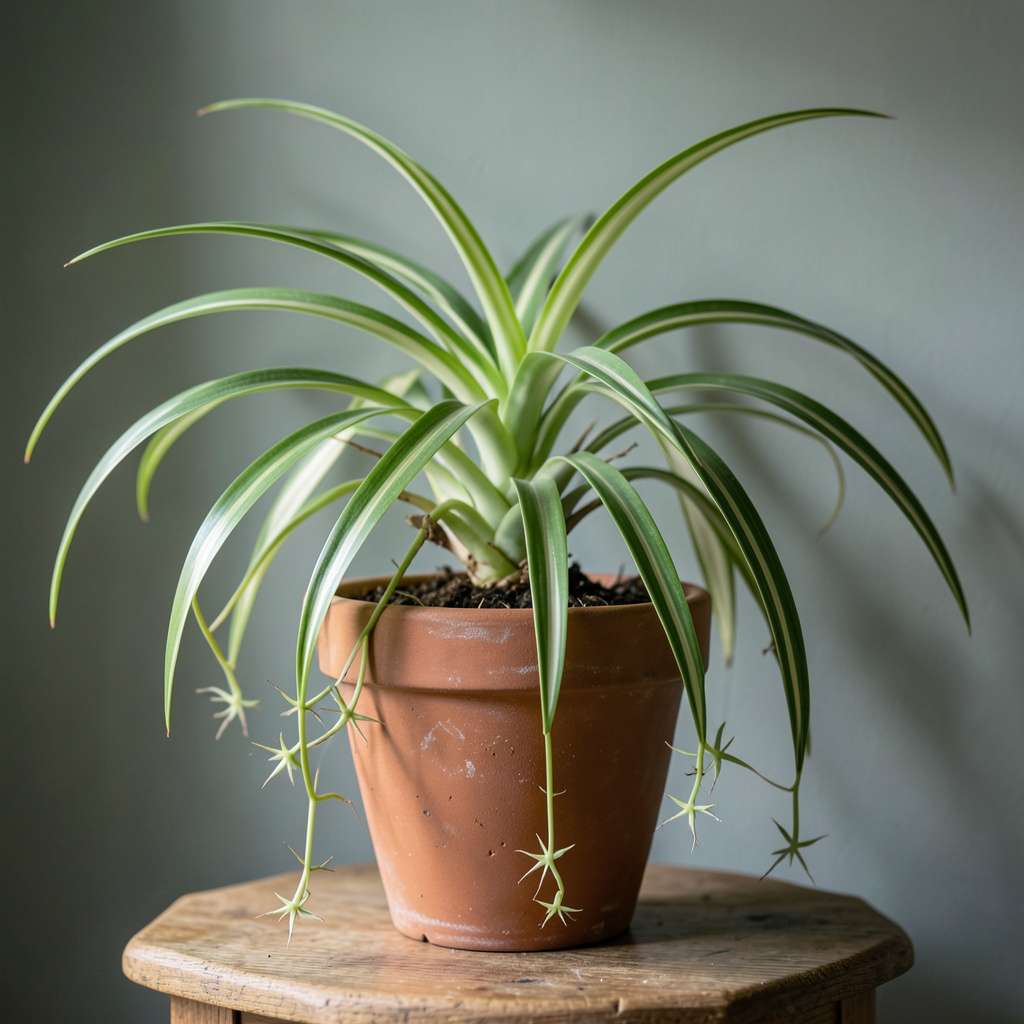
Spider plants are considered mildly toxic to cats, causing vomiting, diarrhea, or drooling if ingested. While not fatal, they contain chemical compounds that irritate feline digestive systems. Keep them out of reach or choose cat-safe alternatives.
I’ve seen too many curious kitties get into trouble with houseplants, and spider plants are no exception. 🐱 The issue lies in their saponins and glycosides, which trigger stomach irritation in cats—something their systems can’t process like ours can. What’s tricky is that symptoms might not appear immediately, making it harder to connect the dots when your feline friend suddenly seems under the weather.
From my experience working with pet owners, the real danger comes from repeated exposure—even small nibbles over time can lead to chronic digestive issues. That’s why I always recommend either placing these plants in hanging baskets well out of reach or swapping them for feline-friendly options like cat grass or Boston ferns that satisfy your pet’s chewing instincts safely. ✨
💡 In This Article
The trouble starts with two key compounds in spider plants: saponins and glycosides. These natural chemicals act as the plant’s defense mechanism against predators. When cats ingest them, the saponins create microscopic holes in cell membranes throughout the digestive tract, while glycosides interfere with normal enzyme function.
This one-two punch triggers immediate irritation in the stomach lining and small intestine. 🔥
What makes cats particularly vulnerable is their unique digestive physiology. Unlike humans who can process small amounts of these compounds, feline stomachs have a more acidic environment (pH 1-2) that actually enhances the irritant effects.
The villi in their small intestines—tiny finger-like projections that absorb nutrients—become inflamed when exposed to these chemicals, leading to rapid fluid loss and the characteristic vomiting or diarrhea symptoms. 💫
The severity depends on how much your cat consumes. A single nibble might cause mild drooling or lip-smacking, while eating several leaves could lead to more pronounced symptoms like repeated vomiting or lethargy. I’ve seen cases where cats developed temporary loss of appetite for 12-24 hours after ingestion.
The good news is that spider plants contain relatively low concentrations of these toxins compared to lilies or sago palms, which makes them less dangerous but still problematic. ✨
Here’s what’s actually happening at the cellular level: The saponins bind to cholesterol in cell membranes, creating pores that disrupt normal cell function. This triggers an immune response where the body tries to flush out the irritants through vomiting or diarrhea.
Meanwhile, the glycosides interfere with protein synthesis in gut cells, slowing down digestion and absorption. The combination explains why symptoms can persist for 6-12 hours in some cases. 🌟
Temperature and hydration play crucial roles in recovery. Warm environments (above 75°F) can accelerate symptom progression, while keeping your cat in a cool, quiet space helps their system process the irritants. Offering small amounts of water (1-2 tablespoons every 30 minutes) prevents dehydration without overwhelming their upset stomach.
Most cats recover fully within 24-48 hours with supportive care. ⚡
Consider these key factors when assessing risk:
Your cat will likely experience mild gastrointestinal upset like drooling, vomiting, or diarrhea within 2-6 hours. These symptoms occur because spider plants contain saponins that irritate their digestive tract. Most cats recover fully within 24-48 hours with proper hydration.
The leaves contain the highest concentration of irritants, but the stems and roots also pose risks. Younger leaves tend to be more problematic than mature ones. Even small amounts (1-2 bites) can cause discomfort, so it’s best to keep the entire plant out of reach.
Watch for persistent vomiting (more than 3 times), lethargy lasting over 12 hours, or refusal to eat/drink. These signs warrant an immediate vet visit. Most cases are mild, but kittens and senior cats may need professional monitoring.
Use hanging planters at least 5 feet off the ground or place plants in rooms with closed doors. Consider adding bitter apple spray (pet-safe) to leaves as a deterrent. Always provide cat grass nearby to redirect their chewing instincts.
Some cats associate the unpleasant effects and avoid them afterward, but others keep returning. Never rely on this “learning experience”—some felines become repeat offenders despite previous discomfort. Consistent prevention is always the safest approach.
