
Beautiful Plants For Your Interior
Beautiful Plants For Your Interior
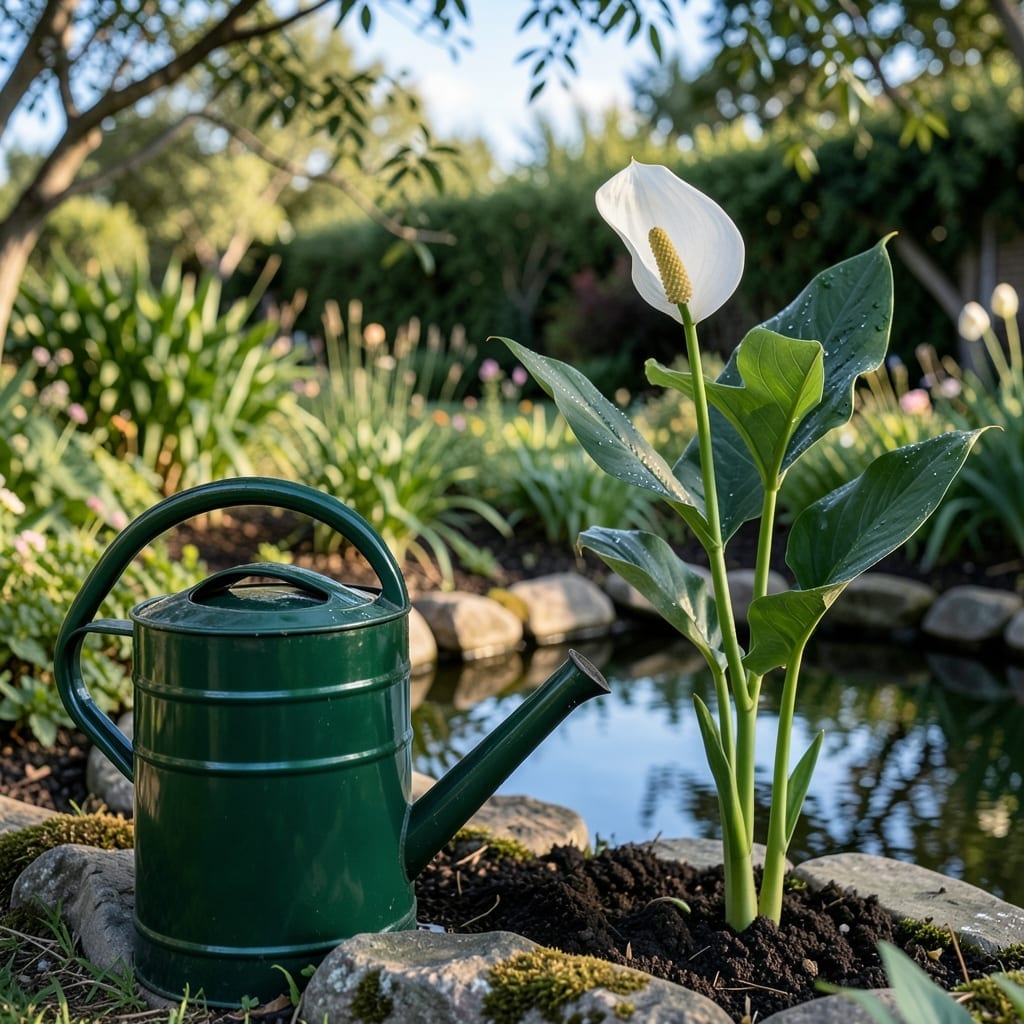
That moment when your 🌸 Calla Lily starts drooping is every gardener’s nightmare. Too much water and you’re looking at root rot. Too little and those elegant blooms will wilt before their time.
Getting the watering right is the key to keeping these beauties thriving. Whether you’re growing them in pots or in your garden, the balance is delicate but achievable.
I’ve learned through trial and error what works best for these stunning plants. The good news? You don’t need a green thumb to master it.
Discover how to maintain that perfect moisture level for vibrant, long-lasting blooms that will be the envy of your neighborhood.
Getting the watering routine right is key for vibrant calla lilies. These elegant plants thrive with consistent moisture but hate soggy roots. I’ve found that weekly deep soaks work best in most climates.
In spring and fall, stick to once-a-week watering, but during hot summers, you may need to water twice weekly. Always check the top inch of soil—if it’s dry, it’s time to hydrate.
For potted calla lilies, I recommend watering every 5-7 days. Containers dry out faster, so check soil daily in extreme heat. Use room-temperature water to avoid shocking the roots.
If you’re growing calla lilies in water (yes, they can thrive hydroponically!), change the water every 2-3 weeks to prevent stagnation. Ensure the rhizome is submerged but the leaves stay dry to avoid rot.
Drainage is non-negotiable for calla lilies. Without it, root rot sets in quickly. I always use pots with drainage holes and a well-draining potting mix to keep them happy.
In USDA zones 8-10, calla lilies can stay in the ground year-round. In colder climates, dig up rhizomes before frost and store them in a cool, dry place until spring.
During active growth, keep the soil evenly moist. Once blooming slows, reduce watering to prepare the plant for dormancy. This mimics their natural growth cycle.
I’ve noticed yellowing leaves often signal overwatering, while drooping stems usually mean underwatering. Adjust your routine based on these visual cues for best results.
Finally, mulching helps retain moisture in garden beds. Use 2-3 inches of organic mulch around the base, but keep it away from stems to prevent rot. This simple step can reduce watering needs by up to 30%.
🌱I’ve seen many calla lily water plants suffer from improper hydration. Yellowing leaves often signal overwatering, while drooping stems usually mean thirst. Catching these early saves your plant. 🌿
Overwatered calla lilies develop mushy roots and black stems. Underwatered ones show dry, crispy edges on leaves. Both conditions stunt growth and reduce blooms.
For overwatered calla lilies, stop watering and let soil dry. Move to a shadier spot to slow evaporation. This gives roots time to recover from excess moisture. 🌱
If your calla lily is underwatered, give it a deep soak immediately. Check soil daily until it stabilizes. Morning watering prevents evening dampness that invites disease.
I always test soil moisture with my finger. Stick it 2 inches deep—if dry, it’s time to water. This simple trick prevents most watering mistakes with water calla lilies.
Remember that container calla lilies dry out faster than in-ground plants. Adjust your schedule based on weather and pot size. Consistency is your best tool for healthy growth. 🪴