
Beautiful Plants For Your Interior
Beautiful Plants For Your Interior
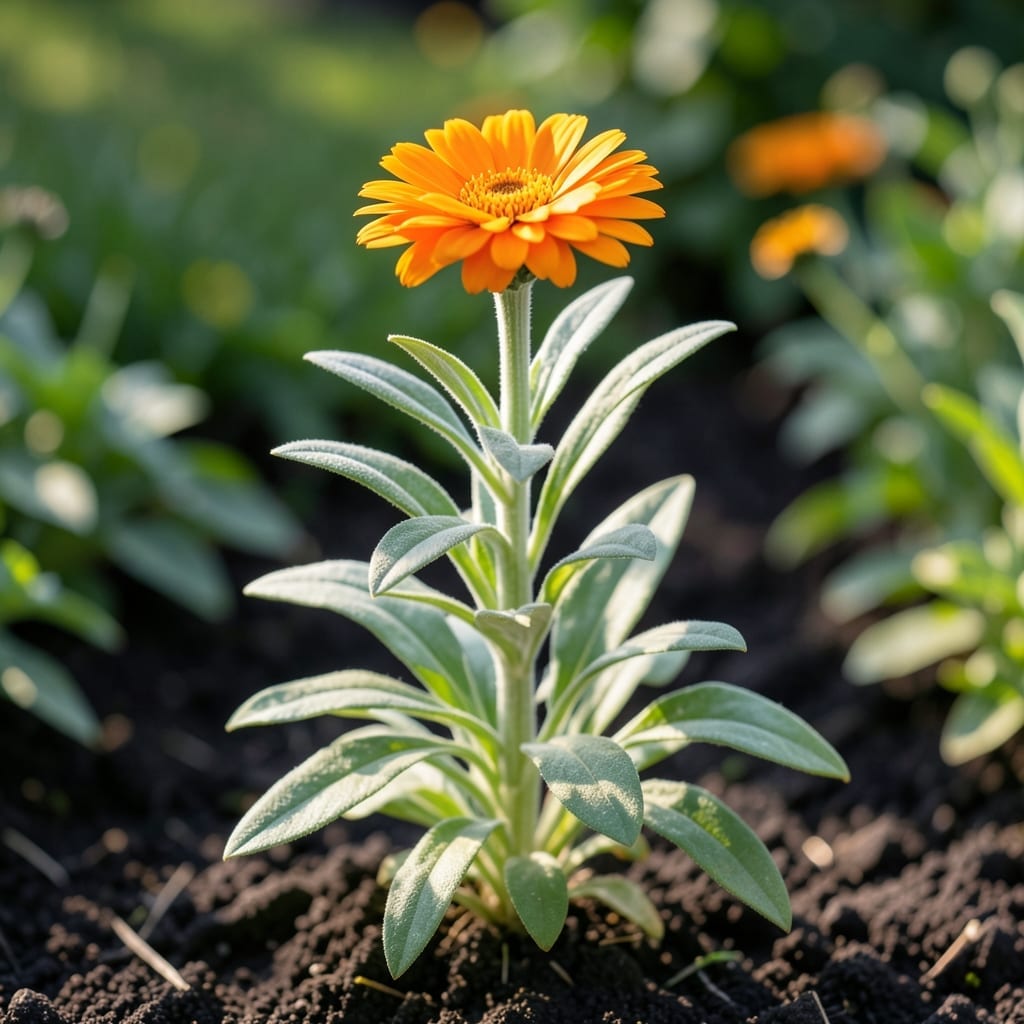
Calendula flowers bring a burst of golden-orange cheer to any garden, but knowing their exact bloom time can mean the difference between a lackluster bed and a seasonal showstopper.
I’ve watched 🌼 Calendula transform spaces from dull to dazzling, and timing is everything. These vibrant blooms don’t just appear randomly—they follow a pattern influenced by climate, planting time, and care.
If you’ve ever wondered when to expect those bright petals to open, you’re in the right place. Understanding the rhythm of Calendula can help you plan a garden that stays colorful for months.
Discover the secrets to maximizing their bloom period and keeping your garden vibrant from spring through the first frost. Let’s dig in.
If you’re wondering about calendula bloom time, you’re in for a treat. These cheerful flowers typically start blooming in late spring and continue through early fall, often until the first frost hits.
In most regions, you can expect first flowers about 45-60 days after sowing seeds, depending on your climate zone and planting method. They thrive in USDA zones 2-11, making them versatile for many gardeners.
| Stage | Timing | Notes |
|---|---|---|
| Seed Sowing | March-May | After last frost or indoors 6-8 weeks prior |
| First Blooms | June-July | 45-60 days after planting |
| Peak Season | July-September | Continuous blooms with proper care |
| End of Bloom | October | First frost typically stops flowering |
I’ve found that early planting gives you the longest bloom season. If you start seeds indoors in early spring, you might see flowers as early as late May in warmer zones.
For gardeners in cooler climates, direct sowing after the last frost date (usually mid-April to May) works best. The plants establish quickly and will start blooming by early summer.
One fascinating aspect of calendula bloom time is its response to day length. These plants are day-neutral, meaning they’ll bloom regardless of daylight hours, as long as other conditions are met.
In my experience, consistent watering and full sun exposure (6+ hours daily) are key to maximizing your calendula’s flowering period. They’re quite drought-tolerant once established, but regular watering encourages more blooms.
The bloom duration can last 3-4 months in ideal conditions. In milder climates, some varieties may even bloom year-round with proper care and protection from frost.
Remember that deadheading spent blooms encourages the plant to produce more flowers, effectively extending your calendula bloom time throughout the growing season.
For the longest display, I recommend succession planting – sow a new batch of seeds every 2-3 weeks until late summer. This way, you’ll have continuous blooms from early summer until frost.
🌼To keep your calendula flowers blooming longer, I focus on consistent deadheading. Removing spent blooms encourages the plant to produce new ones. This simple step can extend your bloom season by weeks.
I also ensure my calendulas get full sun and well-draining soil. These conditions help the plant thrive and produce more flowers. Proper spacing is key too—12 inches apart prevents overcrowding and disease.
In my experience, weekly watering at the base keeps plants healthy. Avoid overhead watering to prevent powdery mildew, which can shorten the bloom period.
A light monthly feed with a balanced fertilizer supports continuous flowering. I use a 5-10-10 formula, but be careful—too much nitrogen can reduce blooms.
For gardeners in hotter climates, afternoon shade can help. Calendulas handle heat, but scorching sun may cause blooms to fade faster. A little shade extends their vibrancy.
Finally, succession planting works wonders. I sow new seeds every 3-4 weeks for a nonstop display. This way, as older plants fade, new ones are ready to take their place.
☀️