
Beautiful Plants For Your Interior
Beautiful Plants For Your Interior
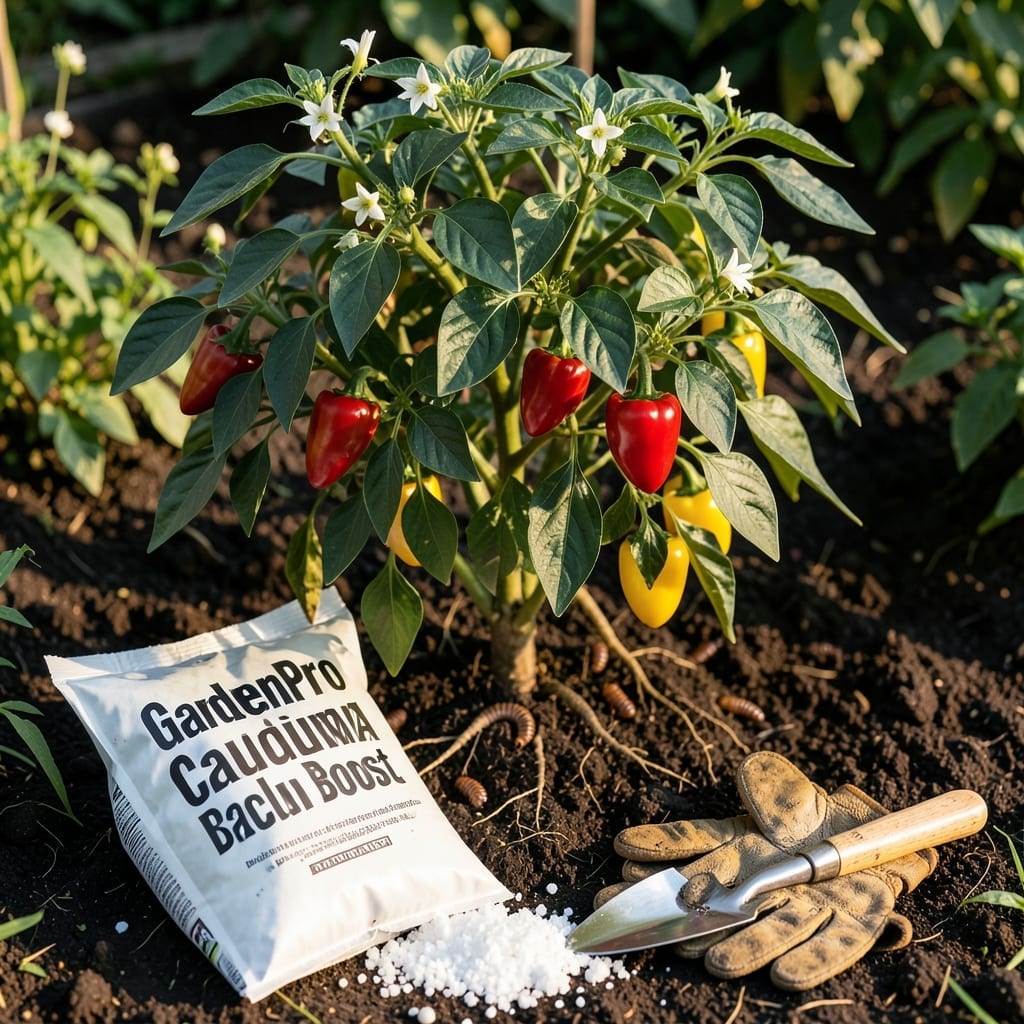
Nothing ruins a pepper harvest faster than watching your 🌶️ Pepper plants develop that dreaded blossom end rot. It’s a silent thief that sneaks in when calcium is missing from the equation.
I’ve seen gardeners lose entire crops because they overlooked this most important nutrient. Calcium is the backbone of strong cell walls in your peppers, and without it, problems appear fast.
But here’s the good news: preventing this issue is simple once you know how. With a few natural tweaks, you can give your plants the boost they need to thrive.
Discover the straightforward methods I use to keep my Pepper plants healthy and productive all season long. Let’s get started.
If your pepper plants are showing dark spots on the blossom end of fruits, that’s the first red flag. This blossom end rot is the most common sign of a calcium deficiency, and it spreads fast if ignored.
I’ve also noticed stunted growth and weak stems in my garden when calcium is lacking. The leaves may turn yellow or brown at the edges, and new growth looks distorted. These symptoms often appear before the fruit is affected.
| Symptom | Description |
|---|---|
| Blossom End Rot | Dark, sunken spots on fruit bottoms |
| Stunted Growth | Slower than normal plant development |
| Yellowing Leaves | Edges turn yellow or brown |
| Weak Stems | Bend or break easily |
To confirm the issue, I recommend a soil test. A pH below 6.0 can lock out calcium, even if it’s present. You can also send leaf samples to a lab for a detailed nutrient analysis.
Calcium is critical for cell wall development in peppers. Without it, the plant struggles to build strong structures, leading to poor fruit quality and reduced yields. This nutrient also helps with isease resistance and overall vigor.
In my experience, young plants and rapidly growing fruits are most vulnerable. The deficiency often appears during hot, dry spells when water uptake is inconsistent. Even with good soil, uneven moisture can trigger symptoms.
Another clue is new leaves that look cupped or deformed. This happens because calcium is immobile in plants, meaning it can’t move from old leaves to new growth. So, deficiency shows up in the freshest parts first.
I always check the undersides of leaves too. Sometimes, a fine webbing or purple veining appears, which can indicate calcium issues alongside other deficiencies. It’s best to address this early before it affects your harvest.
If you’re seeing these signs, don’t wait. The sooner you act, the better your chances of saving your crop. I’ll share my go-to fixes in the next section to help you get your plants back on track.
Consistent monitoring is key to catching problems before they escalate 🌱
When your pepper plants show signs of calcium deficiency, natural solutions are often the best approach. I’ve tested several methods in my own garden, and each offers unique benefits for your plants.
From eggshells to compost tea, these organic options ensure your peppers get the calcium boost they need without harsh chemicals. 🌱
The simplest method I use is crushed eggshells. I rinse and dry them, then grind them into a fine powder. Sprinkle this around the base of each plant and lightly work it into the soil.
For a faster solution, compost tea works wonders. Soak well-aged compost in water for 24-48 hours, strain, and use it to water your plants. This delivers immediate nutrients directly to the roots.
Bone meal is another excellent choice, especially at planting time. Mix 1-2 tablespoons into the soil at the bottom of each planting hole. It slowly releases calcium as the plant grows.
Remember, soil pH affects calcium availability. If your soil is too acidic, lime can help. Apply it according to package instructions, but always test your soil first to avoid over-application. 🌿