
Beautiful Plants For Your Interior
Beautiful Plants For Your Interior
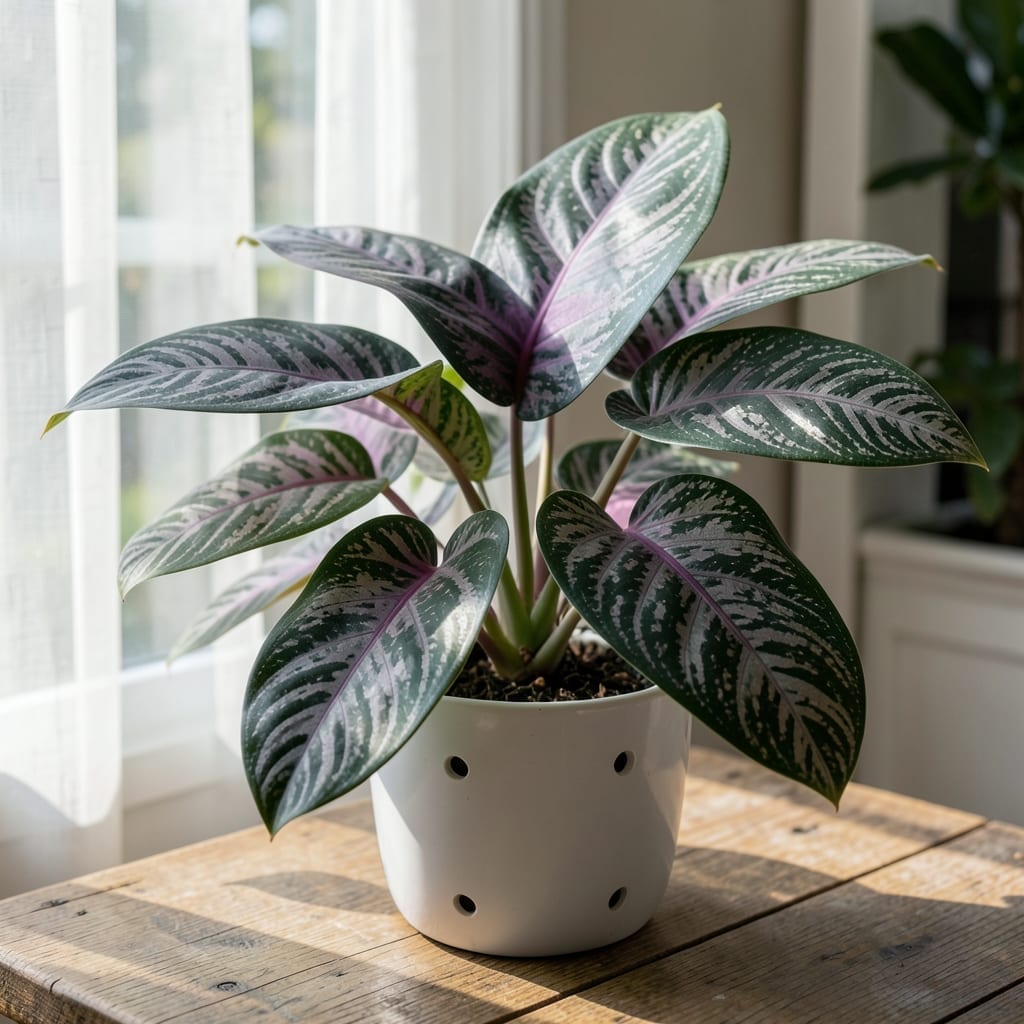
My Calathea Freddie’s leaves started curling last winter, and I traced it to two likely culprits: dry soil or bone-dry air. 🌱 It’s a common sign the plant isn’t getting what it naturally craves—consistent moisture and tropical-level humidity.
I checked the soil first—bone dry two inches down. A thorough watering perked it up within 24 hours. But if the air’s too dry, even well-watered plants will curl to conserve moisture.
Grouping plants together or adding a humidity tray often fixes the issue. I keep mine near other houseplants, and the leaves stay flat and vibrant.
Prevention is simple: water when the top inch is dry and mist regularly. Your Freddie will thank you with lush, unfurled leaves.
Calathea Freddie leaves curl primarily due to environmental stress or improper care. Below are the most common causes, explained with actionable insights to help you diagnose the issue.
When the soil dries out completely, the plant’s roots can’t absorb enough moisture to maintain turgor pressure in the leaves. This causes the Calathea Freddie leaves to curl inward as a survival mechanism to reduce water loss. Check the top 1-2 inches of soil—if it feels dry and crumbly, underwatering is likely the culprit.
Native to tropical regions, Calathea Freddie thrives in high humidity (60-70%). Dry air—common in heated or air-conditioned spaces—draws moisture from the leaves, leading to curling edges. If the air feels dry to you, it’s likely too dry for your plant. Grouping plants or using a humidifier can help.
Exposure to cold drafts (below 60°F) or hot, direct sunlight can shock the plant, causing leaves to curl. Calatheas prefer stable temperatures between 65-80°F. Keep them away from windows, vents, or heaters to prevent thermal stress.
While less common, overwatering can also lead to curling. Soggy soil suffocates the roots, preventing them from absorbing oxygen and nutrients. This triggers stress responses, including leaf curling. Always ensure the pot has drainage holes and the topsoil dries slightly between waterings.
If your Calathea Freddie’s leaves are curling, these targeted fixes will restore its lush, vibrant look. Address the root cause with these simple, actionable steps.
Calatheas thrive in high humidity (60-70%). If your air is dry:
Prevention tip 💡: Keep your plant away from drafts, vents, or heaters that sap moisture from the air.
Curling leaves often signal thirst. Check the soil:
Prevention tip 🌡️: Use a moisture meter to avoid guesswork, and water in the morning for optimal absorption.
Too much direct sun or cold drafts can stress your Freddie:
Prevention tip ✨: Rotate your plant monthly for even light exposure and growth.
With these tweaks, your Calathea Freddie will unfurl its leaves and flourish in no time!
Water when the top 1-2 inches of soil feel dry, typically every 7-10 days. Use room-temperature water and ensure the pot has drainage to prevent soggy roots.
Indirectly, yes. While low light won’t directly curl leaves, it can weaken the plant, making it more vulnerable to stress from dry soil or air. Aim for bright, indirect light for best results.
Group your plants together or place the pot on a pebble tray with water. For immediate relief, use a humidifier set to 60-70% near the plant.
Rarely, but possible. Overwatering can cause root rot, which stresses the plant and may lead to curling. Always check the soil moisture before watering again.