
Beautiful Plants For Your Interior
Beautiful Plants For Your Interior
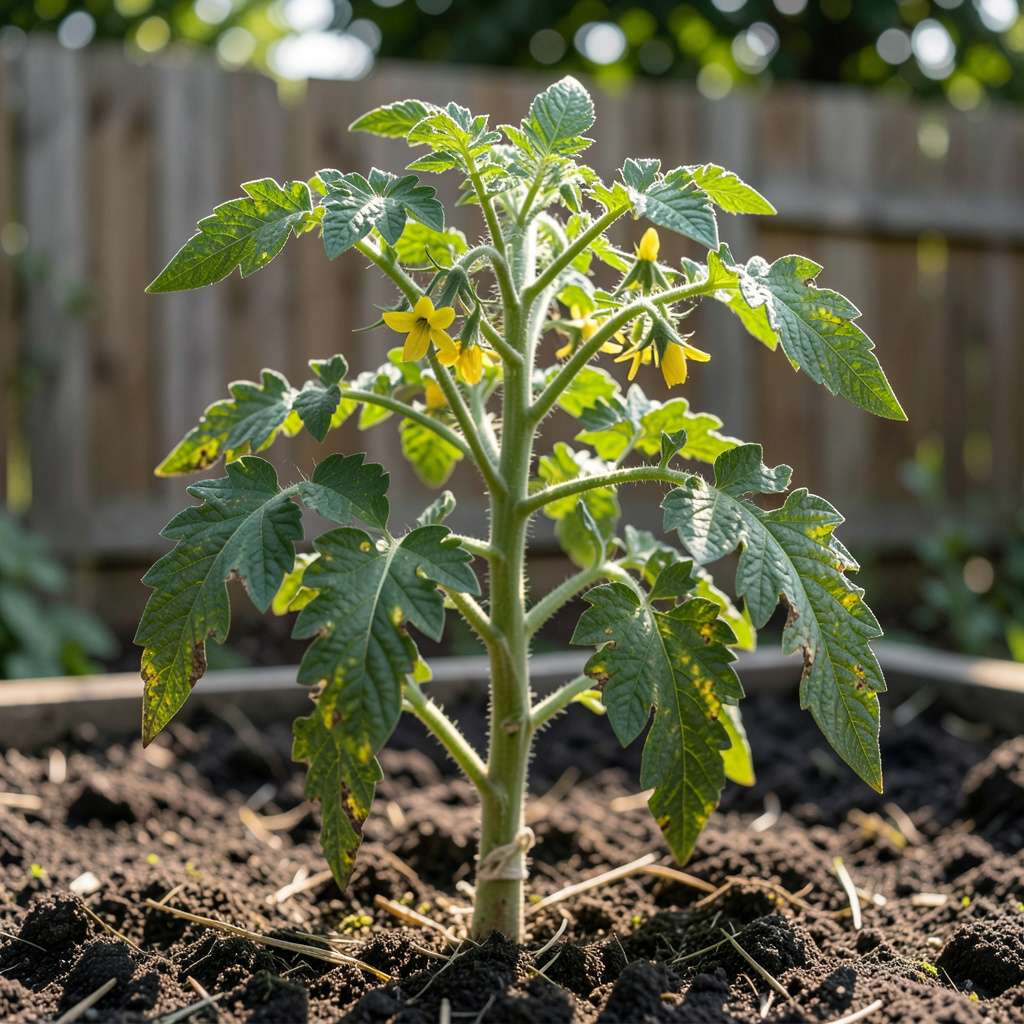
Cal-mag deficiency appears as yellowing between leaf veins (new growth first), curled leaf edges, and weak stems. It’s common in fast-growing plants, hydroponics, or when using reverse osmosis water. Act fast with calcium-magnesium supplements to prevent stunted growth.
I’ve seen this issue wreck otherwise healthy plants in just days—especially in hydro setups where water purity strips away essential minerals. 🌱 The interveinal chlorosis (that telltale yellowing) starts at the top because new growth demands more calcium and magnesium than older leaves. What’s tricky is that symptoms mimic other deficiencies, so testing your water’s pH and EC levels is non-negotiable before treating.
From my experience, tomato and pepper plants show signs first—their rapid growth burns through nutrients faster than roots can absorb them. Reverse osmosis systems are notorious for this because they remove all minerals, leaving plants starved unless you replenish what’s filtered out. ✨
💡 In This Article
Plants need calcium and magnesium for critical functions—calcium strengthens cell walls and regulates growth, while magnesium sits at the heart of every chlorophyll molecule. When pH levels drift outside the 6.0-7.0 range (for soil) or 5.5-6.5 (for hydroponics), these nutrients become chemically “locked out.” In acidic conditions, calcium binds to phosphate, forming insoluble compounds.
In alkaline soils, magnesium gets tied up with carbonates, making it unavailable to roots. 🔥
Water quality plays a sneaky but massive role. Reverse osmosis systems strip 95-99% of minerals, including calcium and magnesium, leaving plants with nothing but pure H₂O. Even tap water can be problematic—areas with “soft” water (low mineral content) often see deficiencies, while “hard” water regions rarely do.
I’ve watched hydroponic lettuce develop yellow spots overnight when switched to RO water without supplementation. The plants literally can’t build new cells without these minerals. ⚡
Rapid growth phases and heavy fruiting act like nutrient vacuums. Tomato plants, for example, can absorb 0.5-1.0 lbs of calcium per ton of fruit produced. When growth outpaces root absorption—common in fast-growing varieties like ‘Early Girl’ tomatoes or ‘Jalapeño M’ peppers—the plant cannibalizes minerals from older leaves to fuel new growth.
That’s why you’ll often see symptoms appear first in the youngest leaves and fruit sets. 🌱
Soil-grown plants have a buffer: organic matter slowly releases minerals as it decomposes. But hydroponic systems offer no such safety net. Without careful monitoring, the nutrient solution’s calcium can drop below 60 ppm and magnesium under 25 ppm in just days, especially under intense LED lighting that accelerates photosynthesis.
I’ve measured EC swings of 0.8+ in a single week during flowering—enough to trigger deficiencies if not adjusted. ✨
The interplay between calcium and magnesium is delicate. Too much of one can block uptake of the other. For instance, excessive calcium (common when overusing gypsum) can induce magnesium deficiency by competing for absorption sites in the roots.
This is why balanced cal-mag supplements use a 3:1 or 4:1 calcium-to-magnesium ratio—mimicking what plants actually need for optimal metabolism. 💫
Environmental stressors like heat waves or overwatering worsen the problem. Heat increases transpiration, pulling water (and dissolved nutrients) through plants faster than roots can replace them. Overwatering, meanwhile, leaches minerals from soil and suffocates roots, reducing their ability to absorb what’s left.
I’ve rescued wilting basil plants by simply letting the soil dry slightly between waterings—sometimes the fix is simpler than you think. 🌿
Calcium is immobile in plants, meaning it can’t travel from old leaves to new growth. When deficient, the newest leaves suffer first because they can’t “borrow” calcium from older foliage. Magnesium is partially mobile, but rapid growth still depletes it fastest in young leaves.
Yes! Crushed eggshells (rinsed, dried, powdered) provide calcium, while Epsom salt (1 tablespoon per gallon) offers magnesium. For quick fixes, mix 1 teaspoon Epsom salt in warm water for foliar spray. Just don’t rely solely on these—commercial cal-mag has the ideal 3:1 ratio.
In hydroponics, add 5-10 mL per gallon weekly or when topping off reservoirs. For soil, apply every 2-3 weeks during vegetative growth, increasing to weekly during flowering. Always check pH first—outside 6.0-7.0 range, plants can’t absorb the nutrients regardless of supplementation.
Three common reasons: incorrect pH (test again!), nutrient lockout from overfertilizing, or environmental stress like heat waves. Damaged leaves won’t recover, but new growth should improve within 7-10 days. If not, flush your system with pH-balanced water and restart supplementation.
Fast-growing, heavy-feeding plants are most vulnerable. Tomatoes, peppers, and cannabis often show symptoms first. Leafy greens like lettuce and spinach are less prone but can develop issues in hydroponics. Fruit-bearing plants need 2-3x more calcium during flowering—watch them closely!
