
Beautiful Plants For Your Interior
Beautiful Plants For Your Interior
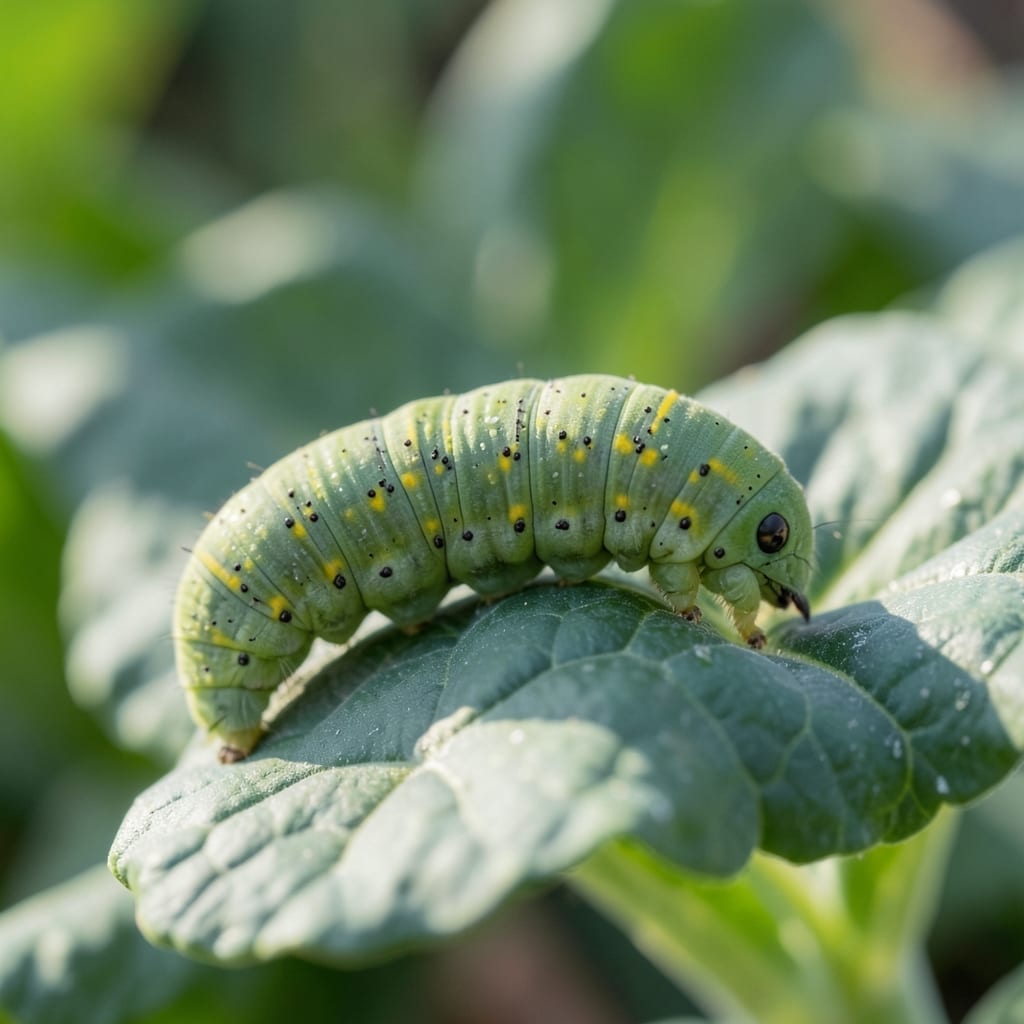
These little green pests wiped out my entire kale crop last summer. Cabbage white caterpillars move fast, turning lush leaves into Swiss cheese overnight with their relentless chewing.
I learned the hard way that organic protection starts with vigilance. Check undersides of brassica leaves daily—those yellow eggs hatch in 3-5 days and the damage begins immediately.
Companion planting with thyme or mint creates a natural barrier, while row covers provide physical protection. The key is catching them before they catch you.
Works for broccoli, cabbage, and mustard greens too. Here’s how to keep them at bay without harsh chemicals.
The presence of cabbage white butterfly caterpillars in your garden is no accident. These pests thrive due to specific environmental and biological factors. Understanding these causes helps you disrupt their life cycle and protect your crops.
Cabbage whites (Pieris rapae) are specialist feeders. They target Brassicaceae family plants, including cabbage, kale, broccoli, and mustard. Female butterflies lay eggs exclusively on these hosts because their caterpillars cannot survive on other vegetation. If your garden features these crops, it’s a magnet for infestation.
These butterflies are most active in temperate climates with abundant sunlight. Temperatures between 70–85°F (21–29°C) accelerate their reproduction. Eggs hatch in 3–7 days under warm conditions, and caterpillars mature rapidly, leading to multiple generations per season. Overcast or cool weather slows their development.
In balanced ecosystems, predators like parasitic wasps, birds, and ground beetles keep caterpillar numbers in check. However, pesticide use or monoculture planting (growing only one crop type) can eliminate these natural controls. Without predators, cabbage whites multiply unchecked, overwhelming your garden.
Cabbage white butterflies overwinter as pupae (chrysalises) in garden debris, soil, or plant remnants. If you leave old crop residue, weeds, or leaf litter untended, pupae survive the winter and emerge as adults in spring, restarting the infestation cycle. Clean gardens disrupt this process.
Dealing with cabbage white butterfly caterpillars doesn’t have to mean reaching for harsh chemicals. Here’s how to tackle the problem organically and keep your garden thriving.
Check the undersides of leaves daily for yellow and black eggs or tiny green caterpillars. Drop them into a bucket of soapy water to dispose of them. Best time: Early morning or late evening when caterpillars are less active.
Prevention tip: 💡 Install floating row covers over crops to block adult butterflies from laying eggs.
Spray a mix of neem oil and water (1 tbsp per gallon) on leaves to deter egg-laying. For existing caterpillars, apply Bacillus thuringiensis (Bt)—a natural bacteria that disrupts their digestion. Reapply after rain.
Prevention tip: 🌿 Plant repellent companions like thyme, mint, or nasturtiums near brassicas to mask their scent.
Attract birds, ladybugs, and parasitic wasps by adding a water source (e.g., a shallow birdbath) and leaving some wild patches in your garden. These predators feed on eggs and young caterpillars.
Prevention tip: ✨ Avoid broad-spectrum pesticides—they kill beneficial insects too!
If caterpillars are a recurring issue, avoid planting brassicas (cabbage, kale, broccoli) in the same spot yearly. This breaks their life cycle.
Prevention tip: 🎯 Interplant with non-host plants like carrots or onions to confuse butterflies.
Eggs are tiny, yellow, and elongated, often laid singly on leaf undersides. They turn orange before hatching in 3-5 days. Check brassica leaves daily for these telltale signs.
No, they target all Brassicaceae plants like kale, broccoli, and mustard. Any garden with these crops may attract them. Diversify plantings to reduce risk.
Use floating row covers to block butterflies. Plant thyme or mint nearby as natural repellents. Encourage birds and beneficial insects for biological control.