
Beautiful Plants For Your Interior
Beautiful Plants For Your Interior
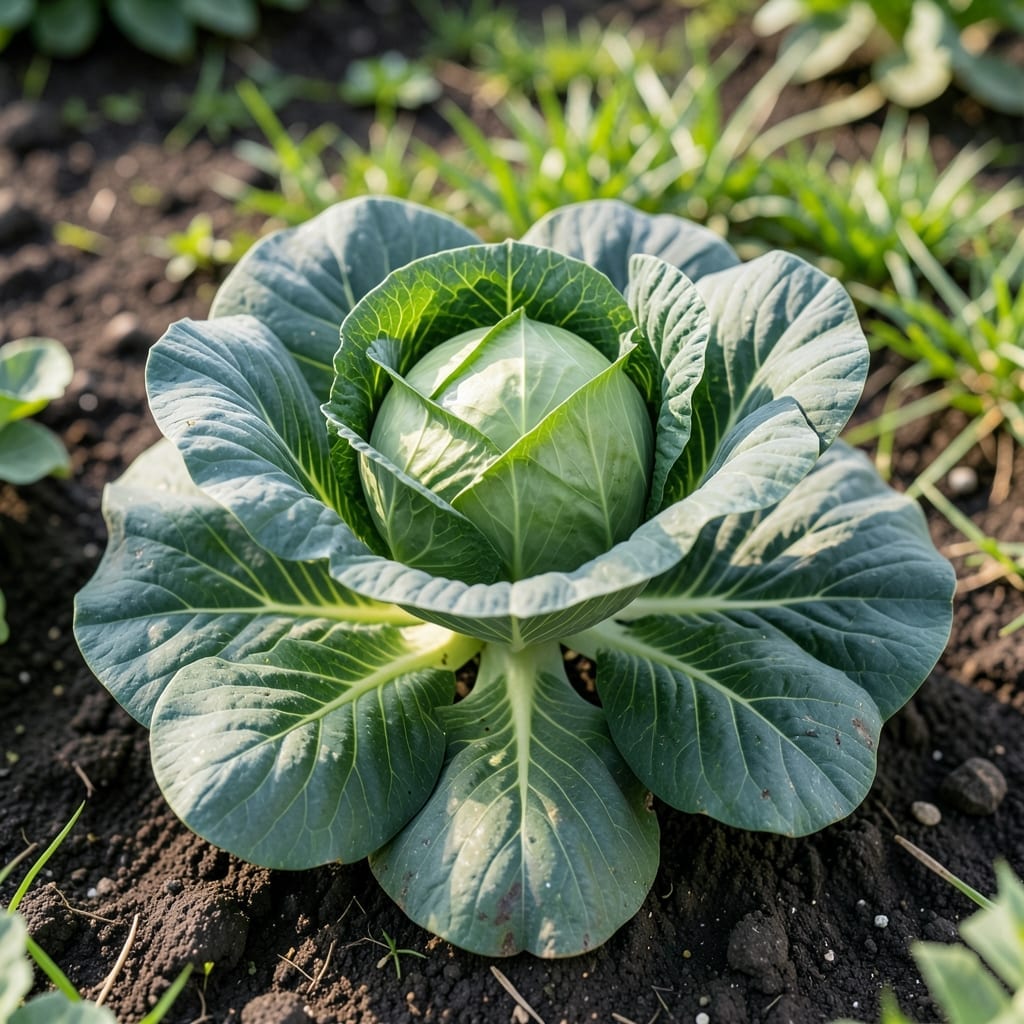
Growing fresh cabbage in your garden starts with knowing its growth timeline. The 🥬 Cabbage you plant in March or April won’t be ready overnight—understanding the days to maturity is key to success.
Different varieties have unique timelines, from early types that mature in 60 days to late-season kinds needing up to 100 days. This variation means your planting strategy should match your climate and goals.
Factors like temperature, soil quality, and watering habits can speed up or slow down growth. Even in Zone 6, small adjustments make a big difference in harvest timing.
I’ll walk you through how to optimize conditions for your cabbage crop and recognize the perfect moment to harvest. Let’s dig into the details that ensure a thriving garden.


Understanding cabbage growth time starts with knowing your variety. Early-season cabbage matures in just 50-60 days, perfect for quick spring harvests. These fast growers are ideal for gardeners eager to enjoy fresh produce sooner rather than later.
For those who prefer a balanced growing season, mid-season varieties take about 70-80 days to mature. These are the most common types, offering a reliable harvest window for most climates and planting schedules.
| Variety Type | Days to Maturity | Example Varieties |
|---|---|---|
| Early-Season | 50-60 days | Golden Acre, Earliana |
| Mid-Season | 70-80 days | Green Boy, Red Acre |
| Late-Season | 90-120 days | January King, Savoy King |
Late-season cabbage is the marathon runner, taking 90-120 days to reach maturity. These varieties are perfect for fall planting, as they can handle cooler temperatures and often taste sweeter after a light frost.
I always recommend starting seeds indoors for early varieties about 6-8 weeks before the last frost date. This gives them a head start and ensures they’re ready to transplant as soon as the soil is workable in spring.
For mid-season cabbage, direct sowing works well in most regions. Just ensure the soil temperature is at least 45°F for optimal germination. Consistent moisture is key during this stage to prevent bolting or stunted growth.
Late-season varieties benefit from a summer start for a fall harvest. Plant them in mid to late summer, and they’ll thrive as temperatures cool. These cabbages often develop a richer flavor and can even tolerate light frosts.
If you’re short on space, consider container gardening for early varieties. A 5-gallon pot per plant provides enough room for roots to develop. Just ensure the container has good drainage to prevent waterlogging.
No matter the variety, well-draining soil and full sun are essential. I’ve found that adding compost at planting time gives cabbage the nutrient boost it needs for robust growth.
Finally, keep an eye on pest pressure, especially with longer-growing varieties. Row covers can protect young plants from cabbage worms and other pests that might slow down growth.
With the right variety and care, you’ll be harvesting firm, healthy heads in no time. 🌱
I’ve found that cabbage growth time isn’t set in stone—it shifts with conditions. Temperature plays a huge role; cool 60-65°F weather speeds up growth, while heat can stall it. Soil quality matters just as much, with rich, well-draining earth giving plants the best start 🌱
Another game-changer is consistent watering. I aim for 1-2 inches per week, keeping the soil evenly moist but never soggy. Planting density also affects maturity—crowded cabbages compete for nutrients and grow slower.
I’ve noticed sunlight exposure makes a big difference too. My cabbages in full sun always outpace those in partial shade. If you’re in a hot climate, consider shade cloth to prevent bolting, which can ruin your harvest timing.
For faster harvests, I recommend starting seeds indoors 6-8 weeks before the last frost. This gives plants a head start once transplanted. Also, mulching helps retain moisture and regulate soil temperature, both critical for steady growth.
Don’t overlook fertilizer timing. I use a balanced 10-10-10 every 4-6 weeks to support head formation. Too much nitrogen early on leads to excessive leafy growth but smaller heads, so balance is key ☀️
Finally, pest control impacts growth speed. Cabbage worms or aphids can stress plants, slowing development. I use row covers and handpick pests regularly to keep my plants on track for a timely harvest 🪴