
Beautiful Plants For Your Interior
Beautiful Plants For Your Interior
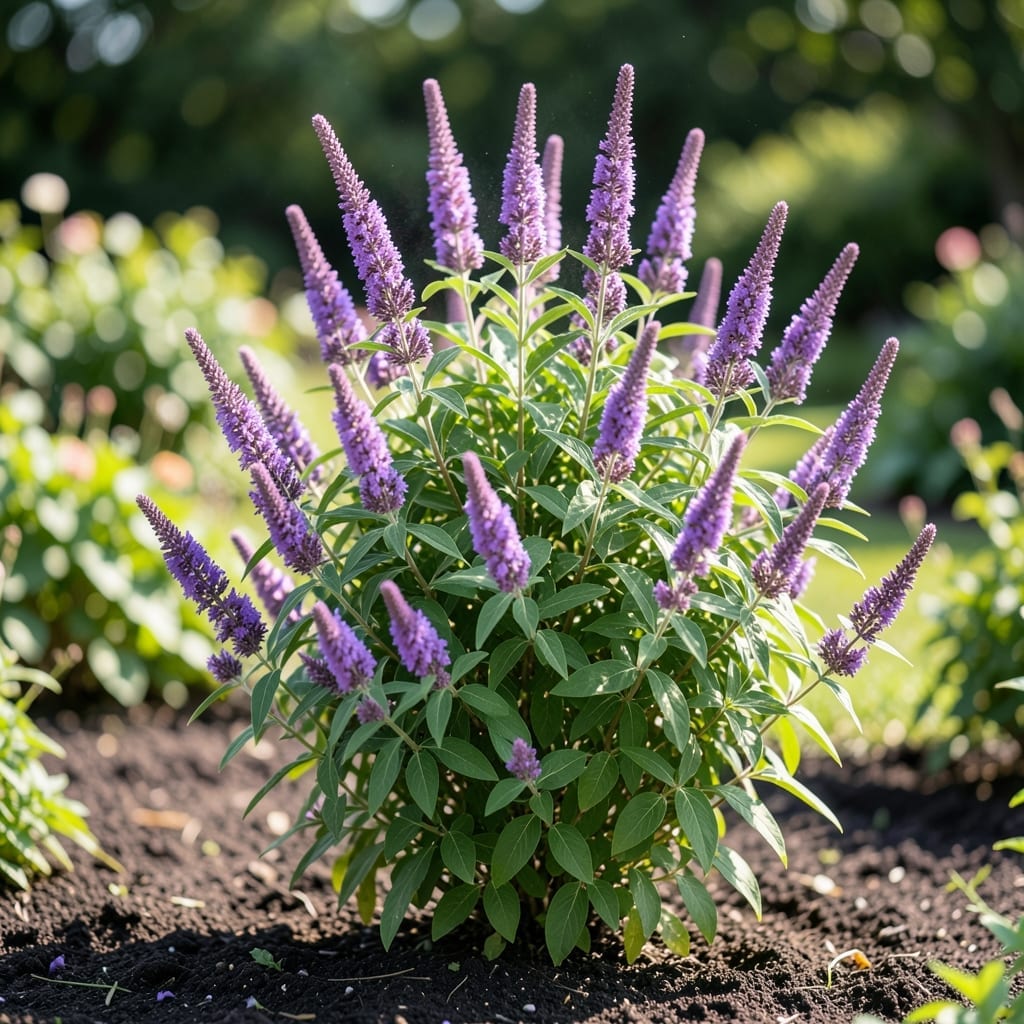
There’s something magical about plants that mimic butterflies. I first spotted one at a local nursery and couldn’t believe my eyes—delicate, wing-like blooms hovering above the foliage.
These exotic beauties thrive in well-draining soil and partial shade, making them perfect for borders or container gardens. Most varieties need moderate watering and protection from harsh afternoon sun to maintain their striking appearance.
What you get is a garden feature that stops visitors in their tracks. The flowers don’t just look like butterflies—they flutter slightly in the breeze, creating an illusion that’s almost too perfect.
Ideal for pollinator gardens, these plants attract real butterflies too, doubling the visual impact. Here’s how to grow your own living art.
The striking resemblance of certain plants to butterflies isn’t accidental—it’s the result of evolutionary adaptations and clever biological strategies. Here’s a breakdown of the key causes behind this fascinating phenomenon:
Some plants, like the Psychotria elata (Hot Lips plant), have evolved to mimic the appearance of butterflies to attract pollinators. Their vibrant, lip-like bracts resemble a butterfly in flight, luring insects and birds that associate the shape with nectar or mates. This deceptive mimicry ensures higher pollination rates by tricking visitors into investigating the “butterfly” up close.
Plants and butterflies often share a symbiotic relationship. Over time, certain orchids (e.g., Oncidium spp.) have developed petals that resemble female butterflies to trigger territorial or mating responses in male butterflies. This sexual deception forces the males to attempt copulation, during which pollen is transferred—ensuring the plant’s reproduction.
In some cases, the butterfly-like appearance arises from modified leaves or flowers that naturally form symmetrical, wing-like structures. For example, the Hoya kerrii (Sweetheart Plant) has heart-shaped leaves that, when paired, resemble a butterfly’s wings. These adaptations may serve to maximize sunlight capture or deter herbivores by confusing their visual cues.
In dense forests or competitive ecosystems, plants evolve unique shapes to stand out to pollinators. A butterfly-like form can make a plant more visible against a green backdrop, increasing its chances of being noticed. This is especially common in tropical regions where biodiversity drives such specialized traits.
If your butterfly-like plant (such as a Passionflower or Orchid) is struggling, here’s how to nurse it back to health with simple, actionable fixes.
Overwatering is a common culprit. Let the top inch of soil dry out before watering again. Use a pot with drainage holes to prevent root rot. Prevention tip: 💡 Stick your finger in the soil—if it’s damp, wait a day or two.
Aphids and spider mites love tender foliage. Wipe leaves with a soapy water solution (1 tsp mild soap per liter of water) or spray with neem oil. Prevention tip: 🎯 Inspect new plants before bringing them indoors to avoid contamination.
If your plant looks stretched or sparse, it’s craving sunlight. Move it to a brighter spot (but avoid harsh direct sun for sensitive varieties). Rotate the pot weekly for even growth. Prevention tip: ✨ Use a grow light in dim spaces.
Butterfly-like plants often need higher humidity. Mist leaves daily or place a tray of water with pebbles nearby. Prevention tip: 🌡️ Group humidity-loving plants together to create a microclimate.
With these tweaks, your exotic beauty will thrive—and keep attracting those pollinators! 🦋
Popular varieties include Passionflower, Orchids, and Psychotria elata (Hot Lips plant). Each has unique butterfly-like features and care needs.
Yes! Many varieties, like Passionflower, produce nectar that draws butterflies. They also provide shelter and host plants for caterpillars.
Water when the top 1 inch of soil feels dry. Most prefer moderate moisture but avoid soggy conditions.
Place near a bright window with indirect light. Use a well-draining potting mix and maintain humidity.