
Beautiful Plants For Your Interior
Beautiful Plants For Your Interior
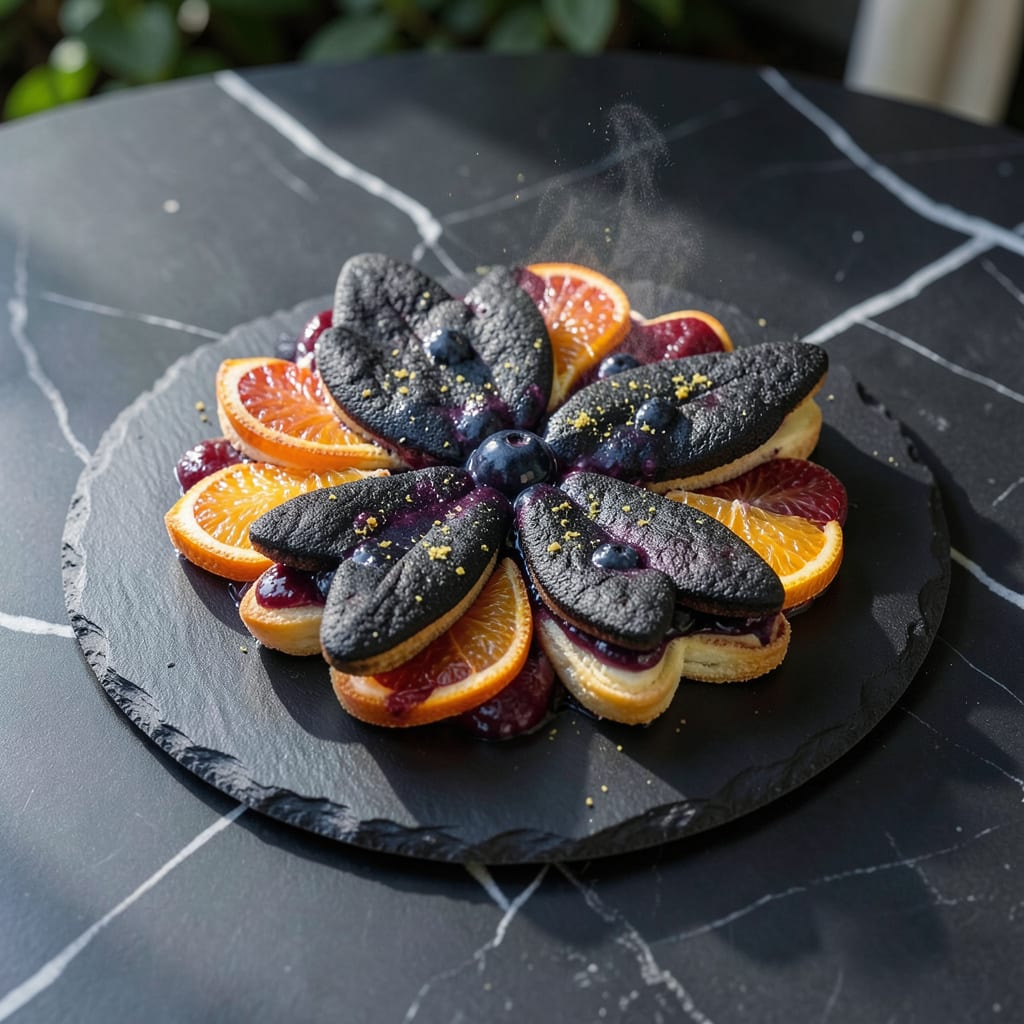
This tri-color scheme stopped me in my tracks last summer. Black, blue, and orange together create a garden that hums with life.
Butterflies can’t resist the contrast, and neither can I. The deep purples read as black, true blues pop, and orange blooms tie it all together in a way that feels wild yet intentional.
📚 In This Guide
This tri-color beauty thrives with simple care and delivers stunning blooms all season long.
Select a spot with full sun to partial shade—this variety does best with at least 6 hours of sunlight daily. The more sun it gets, the more vibrant the colors will be. Avoid low-lying areas where water pools after rain, as soggy roots can rot quickly.
Test your soil by digging a 12-inch hole and filling it with water. If it drains within 1 hour, the spot is ideal. If water sits longer, amending the soil with compost will improve drainage before planting.
Loosen the soil in a 2-foot diameter area to a depth of about 12 inches. This gives the roots room to spread easily. Remove any weeds, rocks, or debris that could compete with the plant for nutrients or water.
Mix in a 2-inch layer of compost to enrich the soil. This variety isn’t overly picky, but rich, well-draining soil encourages stronger growth and more abundant blooms. Water the prepared area lightly to settle the soil before planting.
Dig a hole just deep enough so the plant sits at the same level it was in its nursery container. Gently remove it from the pot, loosening any tightly bound roots with your fingers. This helps them establish faster in the new location.
Place the plant in the hole, backfill with soil, and press down lightly to eliminate air pockets. Water thoroughly right after planting, giving it a deep soak until the soil is moist 6 inches down. This ensures the roots make good contact with the surrounding earth.
Keep the soil consistently moist but not waterlogged during the first 2-3 weeks after planting. After that, this variety is fairly drought-tolerant, but it blooms best with regular watering during dry spells.
Apply a 2-3 inch layer of mulch around the base to retain moisture and suppress weeds. Keep the mulch a few inches away from the stem to prevent rot. You’ll see new growth within 1-2 weeks, a sign the plant is settling in well.
Deadhead spent blooms regularly to encourage continuous flowering. Simply pinch or cut off faded flowers at their base. This redirects the plant’s energy into producing new blooms rather than seeds.
Fertilize lightly with a balanced, water-soluble fertilizer every 4-6 weeks during the growing season. Watch for pests like aphids, which can sometimes cluster on new growth. A strong spray from the hose usually knocks them off without harming the plant.
These simple tricks will help your plant thrive and bloom beautifully.
Sunlight Needs: In Step 1, the recommendation for at least 6 hours of sunlight daily is key for vibrant colors. I’ve noticed that plants getting morning sun produce the most striking blooms, so prioritize eastern exposure if possible. This variety can tolerate partial shade, but the colors may appear less intense.
Soil Drainage Test: The 1-hour drainage test in Step 1 is a game-changer. If water sits longer than 1 hour, don’t skip amending the soil with compost—soggy roots are the fastest way to lose this plant. I learned this the hard way after losing two plants in a low-lying spot.
Watering Wisdom: During the first 2-3 weeks mentioned in Step 4, keep the soil consistently moist but not waterlogged. I check moisture by sticking my finger 2 inches into the soil—if it feels dry, it’s time to water. After those initial weeks, you can ease up, but regular watering during dry spells keeps the blooms coming.
Mulching Tip: The 2-3 inch layer of mulch in Step 4 helps retain moisture and suppress weeds, but keep it a few inches away from the stem. I once piled mulch too close and ended up with rot—lesson learned!
It’s a striking tri-color butterfly bush (Buddleia) variety featuring deep black-purple, vivid blue, and fiery orange blooms. This showstopper attracts pollinators like bees and hummingbirds, adding vibrant drama to gardens.
This variety typically blooms from mid-summer to early fall, thriving in full sun. Deadheading spent flowers encourages prolonged blooming, so you can enjoy its vibrant colors for weeks.
Plant in well-draining soil, water regularly (but avoid soggy roots), and prune in early spring. It’s drought-tolerant once established and thrives in USDA zones 5-9.
Yes! Choose a large pot with drainage, use quality potting mix, and place it in full sun. Container-grown plants may need more frequent watering and winter protection in colder climates.
Common culprits: too much shade, over-fertilizing (use low-nitrogen fertilizer), or pruning at the wrong time. Ensure it gets 6+ hours of sun and avoid cutting back new growth in late summer.
