
Beautiful Plants For Your Interior
Beautiful Plants For Your Interior
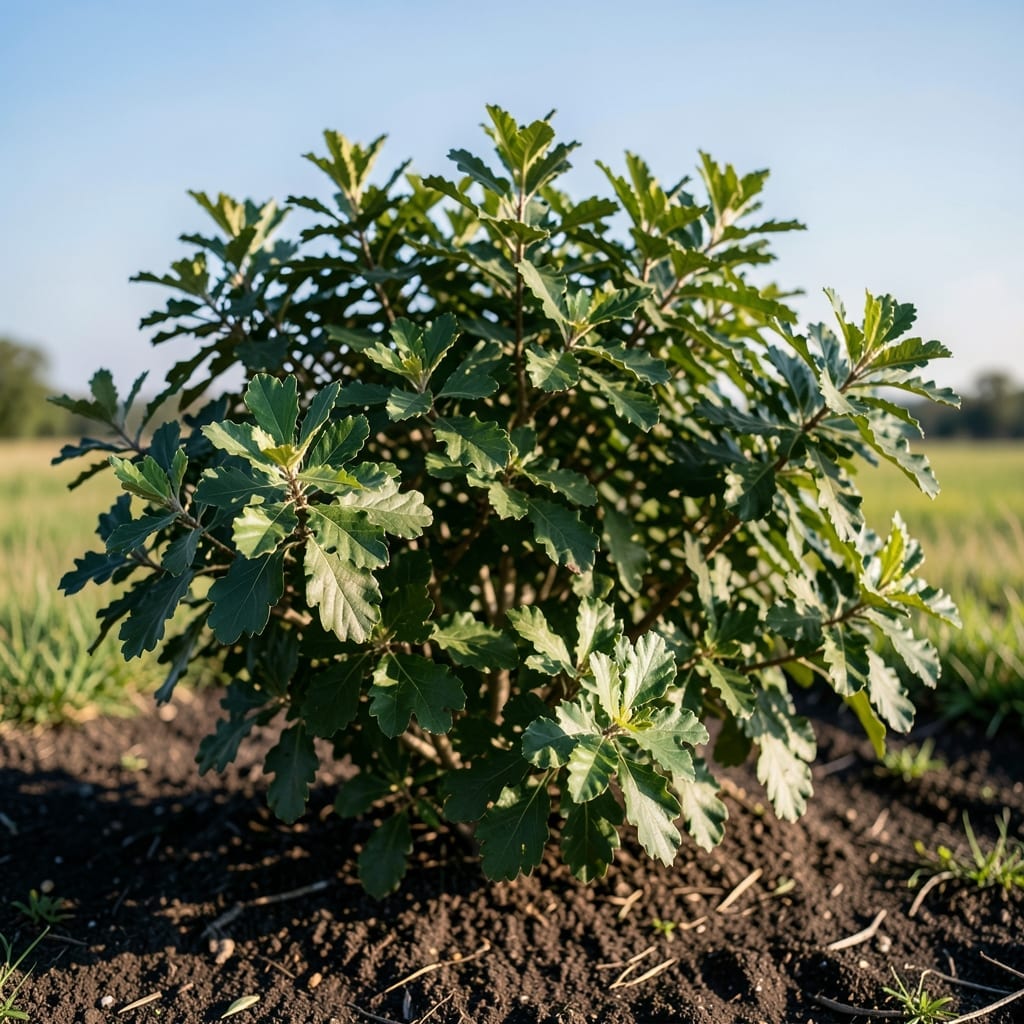
That bush catching your eye with its oak-like leaves might just be a shrub oak or a close relative. I first noticed one in my neighbor’s yard—thick, lobed leaves that screamed “oak” but on a compact, manageable plant.
Turns out, these bushes bring the majesty of oaks to smaller spaces. They thrive in full sun to partial shade and adapt well to various soil types, making them a low-maintenance choice for most landscapes.
With proper care, you’ll enjoy their distinctive foliage year-round, plus the added bonus of wildlife support. Birds and pollinators love them just as much as we do.
Whether you’re planting one for structure, texture, or pure aesthetic appeal, this guide will help you nail the identification and care.
Several factors contribute to a bush developing oak-like leaves, often tied to evolutionary adaptations, environmental influences, or genetic traits. Below are the primary reasons this phenomenon occurs.
Some shrubs, like the Quercus species or hybrid varieties, naturally evolve leaves resembling oak foliage to deter herbivores. Oaks produce tannins and other bitter compounds, and mimicry allows other plants to “borrow” this defense mechanism. This is common in species like the Shagbark Hickory or Sweetgum, which share habitats with oaks.
Cross-pollination between oak trees and other woody plants can produce hybrids with intermediate leaf shapes. For example, Quercus × macrocarpa (a hybrid oak) may exhibit lobed leaves similar to its parent species. Nurseries sometimes cultivate these for ornamental purposes, leading to bushes with oak-like foliage in landscapes.
Harsh conditions—such as drought, poor soil, or high winds—can stress plants into developing tougher, more deeply lobed leaves. This adaptation reduces water loss and physical damage. Shrubs in oak-dominated ecosystems may mirror this trait as a survival strategy.
Horticulturists selectively breed bushes for aesthetic traits, including oak-like leaves. Varieties like the Dwarf Chinkapin Oak or Swamp White Oak are compact shrubs bred to retain the iconic leaf shape while fitting residential gardens.
If your bush with oak-like leaves is struggling, these targeted fixes will help you restore its health and vigor. Address the root cause of each problem for the best results.
Yellowing often signals waterlogged roots. Fix: Amend the soil with compost or sand to boost drainage. Plant in a raised bed if the area stays soggy. Prevent: Always check soil moisture before watering—stick your finger 2 inches deep; only water if dry. 💡Pro tip: Use a moisture meter for precision.
Spotted leaves or chewed edges? Fix: Spray with neem oil or insecticidal soap weekly until pests are gone. For severe infestations, remove heavily affected branches. Prevent: Encourage beneficial insects like ladybugs by planting companion flowers nearby. Keep the area free of debris where pests hide.
Slow growth can mean nutrient deficiency. Fix: Apply a balanced, slow-release fertilizer in early spring. Prune dead or crossing branches to redirect energy. Prevent: Test soil every 2–3 years and adjust amendments as needed. Regularly remove old mulch to avoid nutrient lockout.
Brown, crispy edges may indicate too much sun. Fix: Move potted plants to partial shade or use shade cloth during peak afternoon hours. Prevent: Gradually acclimate plants to brighter light over 1–2 weeks to avoid shock. Mulch around the base to retain soil moisture.
With these solutions, your oak-leaf bush can thrive! Consistency in care is key—observe your plant regularly and act at the first sign of trouble.
Dwarf Chinkapin Oak and Swamp White Oak are compact shrubs with classic lobed foliage. Shagbark Hickory and Sweetgum also mimic oak leaves naturally.
Dwarf varieties like Dwarf Chinkapin Oak adapt well to large containers. Use well-draining soil and a pot at least 18 inches deep. Water when the top 2 inches of soil are dry.
Brown edges often mean too much sun or underwatering. Move it to partial shade or increase watering frequency. Check for crispy texture as a sign of sunburn.
Most grow 6-12 inches per year under ideal conditions. Dwarf varieties stay small, while others can reach 6-10 feet tall at maturity.