
Beautiful Plants For Your Interior
Beautiful Plants For Your Interior
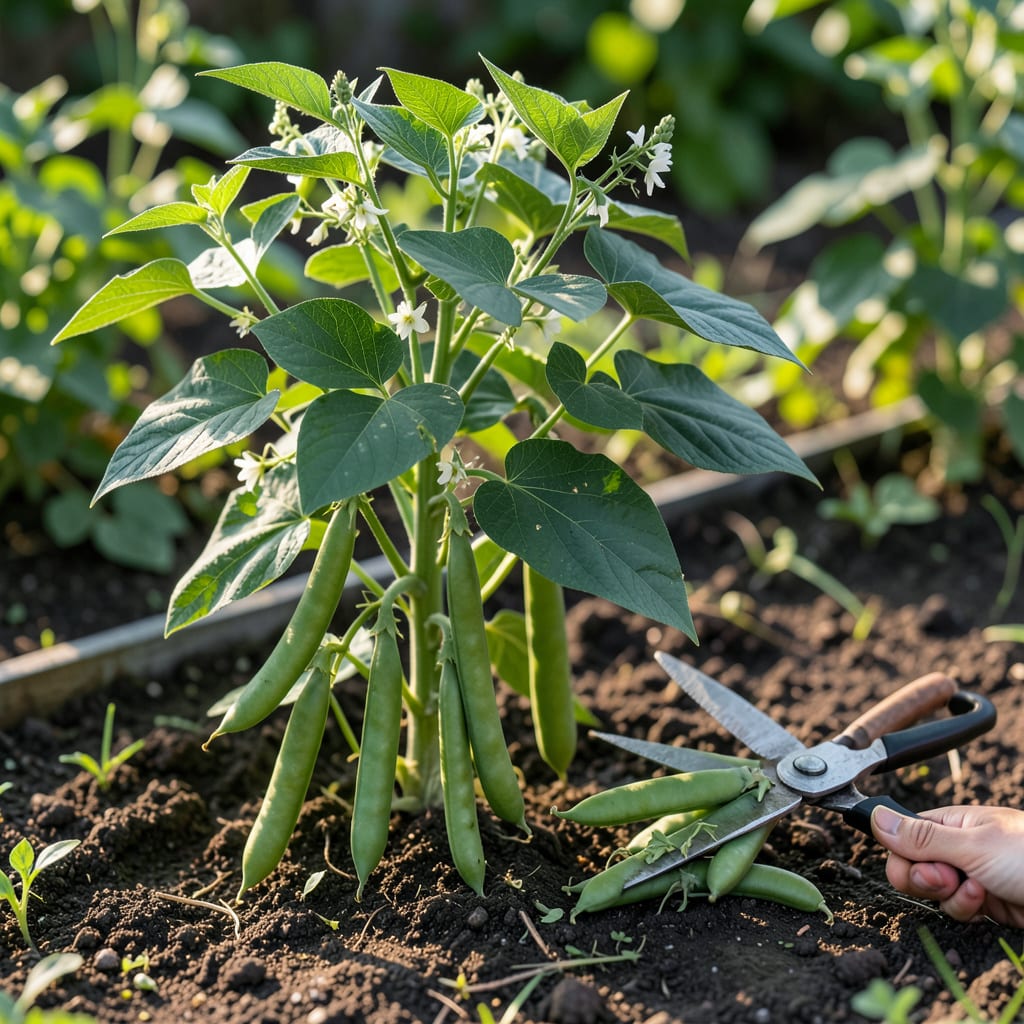
There’s nothing quite like the satisfaction of picking fresh 🌱 Bush Bean pods at just the right moment. Timing your harvest perfectly means the difference between tough, stringy beans and crisp, flavorful ones.
I’ll show you the key visual cues to look for and share tips to extend your harvest season. With these insights, you’ll enjoy a bountiful supply all summer long.


Timing your bush bean harvest just right ensures the best flavor and texture. I look for visual cues like pod size and color to know when they’re ready. Picking too early or too late can ruin the quality of your crop.
The ideal moment comes when pods are 4-8 inches long and have a dark green color. They should feel firm and snap easily when bent. These signs tell me the beans are at their peak.
| Harvest Sign | What to Look For |
|---|---|
| Pod Size | 4-8 inches long |
| Color | Dark green and glossy |
| Texture | Firm and crisp |
| Snap Test | Breaks cleanly when bent |
| Seeds | Visible but not bulging |
I always check the seeds inside the pods. If they’re small and not bulging, the beans are ready. Bulging seeds mean they’re overripe and may be tough or starchy.
Another trick I use is the snap test. A ripe pod will break cleanly when bent. If it bends without snapping, it’s not quite ready. This simple test helps me avoid picking immature beans.
The color is a great indicator too. Dark green pods with a glossy finish are perfect. Pale or light green pods usually need more time on the plant.
I harvest my bush beans every 2-3 days during peak season. This encourages the plant to produce more pods and extends the harvest window. Regular picking prevents the plant from going to seed.
Early morning is the best time to pick. The pods are crisp and full of moisture after the cool night. I avoid harvesting in the heat of the day when the plants are stressed.
If I notice yellowing pods, I know I’ve waited too long. These are past their prime and may be stringy. It’s better to pick a little early than too late for the best texture.
With these visual and tactile cues, I consistently get the best harvest from my bush beans every season. 🌱
Even experienced gardeners can make harvesting mistakes that reduce their bush bean yield. I’ve learned the hard way that timing and technique matter just as much as planting. These errors can turn a promising crop into a disappointment.
One of the biggest issues is waiting too long to pick. Overripe pods become tough and stringy, losing their crisp texture. I check my plants daily during peak season to catch them at the right moment.
⚠️ Warning: Harvesting too late leads to tough, fibrous beans. Pods left on the plant too long also signal the plant to stop producing new ones, reducing your overall yield.
Another common mistake is under-harvesting. Picking too few pods can trick the plant into thinking it’s done producing. I make it a habit to harvest all mature pods during each check to encourage continuous production.
Improper picking techniques can damage the plant. I always use two hands—one to hold the stem and one to gently pull the pod. This prevents tearing the plant and keeps it healthy for future harvests.
Harvesting in the heat of the day can also affect quality. The pods lose moisture and become less crisp. I always pick in the early morning when the beans are at their freshest and most hydrated.
Finally, ignoring pest or disease signs during harvest can spread problems. I inspect each plant carefully and remove any damaged pods immediately to protect the rest of the crop.
Avoiding these common pitfalls helps me get the most from my bush beans every season. ✂️
Maximizing your bush bean harvest means going beyond just picking at the right time. I’ve found that successive planting is one of the best ways to keep fresh pods coming all season long. 🌱
Plant new seeds every 2-3 weeks for a continuous supply. This staggered approach ensures you always have beans ready to harvest as older plants finish producing.
Proper watering makes a huge difference. I give my beans about 1 inch of water per week, more if it’s hot. Morning watering helps prevent disease and keeps plants hydrated.
A light balanced fertilizer every few weeks gives plants the nutrients they need for sustained production. I avoid over-fertilizing, which can lead to lots of leaves but fewer beans. 🌿
Regular pest inspections are crucial. I check for aphids and bean beetles weekly, removing them by hand or with a strong spray of water. Healthy plants produce longer.
By combining these simple strategies, I enjoy fresh bush beans from early summer until the first frost. The key is consistency in care and harvest.
Check every 2-3 days during peak season. Bush beans mature quickly, and frequent harvesting encourages more production. Daily checks are ideal if you want to catch every pod at its prime.
Early morning is ideal, as pods are crisp and hydrated after the cool night. Avoid harvesting in the heat of the day when plants are stressed and moisture is low.
No, yellowing pods are overripe and will be tough or stringy. Always aim for dark green and firm pods for the best texture and flavor.
This often happens if you’re not harvesting frequently enough. Regular picking signals the plant to keep producing. Under-harvesting can trick it into thinking its work is done.
