
Beautiful Plants For Your Interior
Beautiful Plants For Your Interior
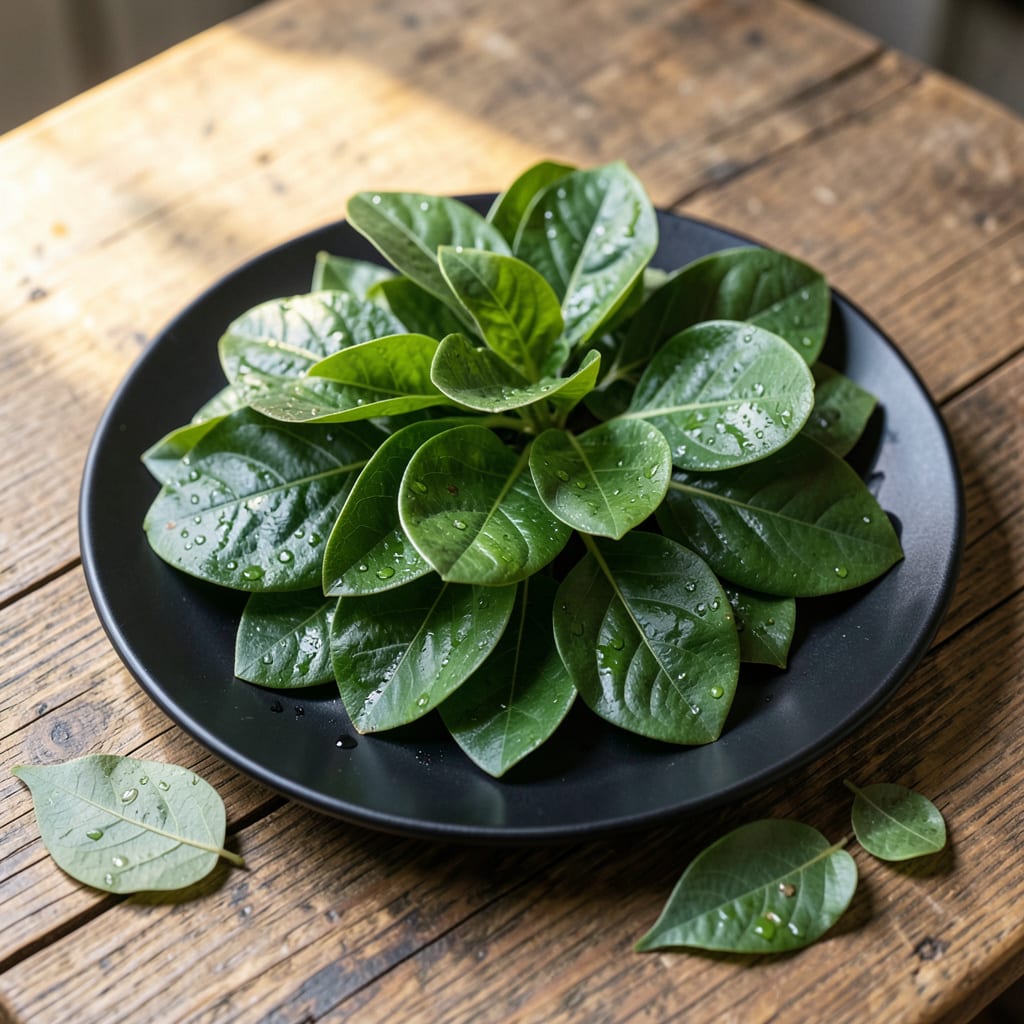
Your burning bush should be blushing red by now, not staying stubbornly green. I noticed this exact problem in my garden last fall and traced it back to three likely culprits: timing, sunlight, or soil.
Pruning at the wrong time removes the wood that would turn red. Mine stayed green because I trimmed in late summer instead of early spring. Too much shade or nitrogen-heavy soil can also delay that signature color change.
Once I adjusted my pruning schedule and moved one bush to a sunnier spot, the leaves started changing within 2 weeks. The transformation was dramatic—deep reds replacing the dull green almost overnight.
Check your pruning timing first, then assess light and soil. Small fixes now mean vibrant red foliage when it counts.
When your burning bush fails to turn its signature fiery red in fall, the issue often traces back to a few key factors. Here’s why the leaves may stay stubbornly green:
Burning bushes (Euonymus alatus) require cool temperatures (below 50°F/10°C at night) for at least 2–3 weeks to trigger anthocyanin production—the pigment responsible for red leaves. Warm autumns delay this process, leaving foliage green. Action: If you’re in a mild climate, choose cold-hardy cultivars like ‘Compileus’ or relocate the plant to a cooler microclimate.
These shrubs need full sun (6+ hours daily) to develop vibrant colors. Shade reduces chlorophyll breakdown, masking red pigments. Fix: Prune nearby trees or transplant the bush to a sunnier spot by early summer to allow time for acclimation.
High nitrogen levels (from over-fertilizing) promote leafy green growth at the expense of fall color. Solution: Stop nitrogen-heavy fertilizers by late summer. Test soil—aim for pH 6.0–7.5 and amending with phosphorus (bone meal) can encourage red hues.
Fungal infections (e.g., powdery mildew) or pest damage (like spider mites) stress the plant, diverting energy from color change. Check: Inspect leaves for spots, webbing, or stunted growth. Treat with neem oil or horticultural soap, and improve airflow with pruning.
Young burning bushes (under 3 years old) may lack the maturity to produce strong fall colors. Patience pays: Focus on healthy growth—consistent watering and mulching—and vibrancy should improve with age.
If your burning bush is sporting green leaves instead of its signature fiery red, don’t panic—there are clear fixes for the most common causes. Below, we map each issue to its solution, with easy steps to restore your shrub’s vibrant color. 🌿
Excess nitrogen promotes leafy green growth at the expense of red pigments. Fix: Stop using high-nitrogen fertilizers immediately. Switch to a balanced, slow-release fertilizer (like 10-10-10) or one higher in phosphorus (the middle number) to encourage color. Test your soil—if nitrogen is too high, amend with compost or aged manure to dilute it naturally.
Prevention tip: 💡 Fertilize in early spring only if a soil test confirms deficiency. Overfeeding is a common mistake!
Burning bushes need full sun (6+ hours daily) to develop their red hues. Fix: If your plant is in shade, transplant it to a sunnier spot in early spring or fall. If moving isn’t an option, prune nearby trees or structures casting shade. For potted bushes, simply move the container to a brighter area.
Prevention tip: ✨ Before planting, scout your yard for the sunniest spots. Avoid north-facing walls or dense canopy areas.
Soggy roots stress the plant and dull its color. Fix: Let the top 1–2 inches of soil dry out between waterings. If the soil stays wet, improve drainage by mixing in sand or organic matter. For container plants, ensure pots have drainage holes and use a well-draining potting mix.
Prevention tip: 🌡️ Water deeply but infrequently—about 1 inch per week, including rainfall. Use a moisture meter to avoid guesswork.
New growth on burning bushes starts green and turns red as it matures. Fix: If the rest of the plant is healthy, simply wait a few weeks. To speed up the process, ensure the plant is getting enough sunlight and isn’t over-fertilized.
Prevention tip: 🎯 Avoid pruning in late summer, as this can stimulate new green growth that won’t have time to redden before winter.
Once conditions are corrected, you’ll typically see color changes within 2-3 weeks. If cold exposure was the issue, expect the transformation to start after 2-3 weeks of consistent cool nights below 50°F.
Prune in early spring, not late summer. Late pruning stimulates new green growth that won’t have time to redden. Always remove no more than 1/3 of the plant at a time to avoid stress.
Aim for a slightly acidic to neutral range between pH 6.0-7.5. Test your soil and amend with lime to raise pH or sulfur to lower it if needed. Balanced soil helps maximize the red pigment production.
Yes, phosphorus encourages root development and color production. Use bone meal or a fertilizer with a higher middle number (like 5-10-5) in early spring. Avoid overdoing it—too much can harm the plant.
