
Beautiful Plants For Your Interior
Beautiful Plants For Your Interior
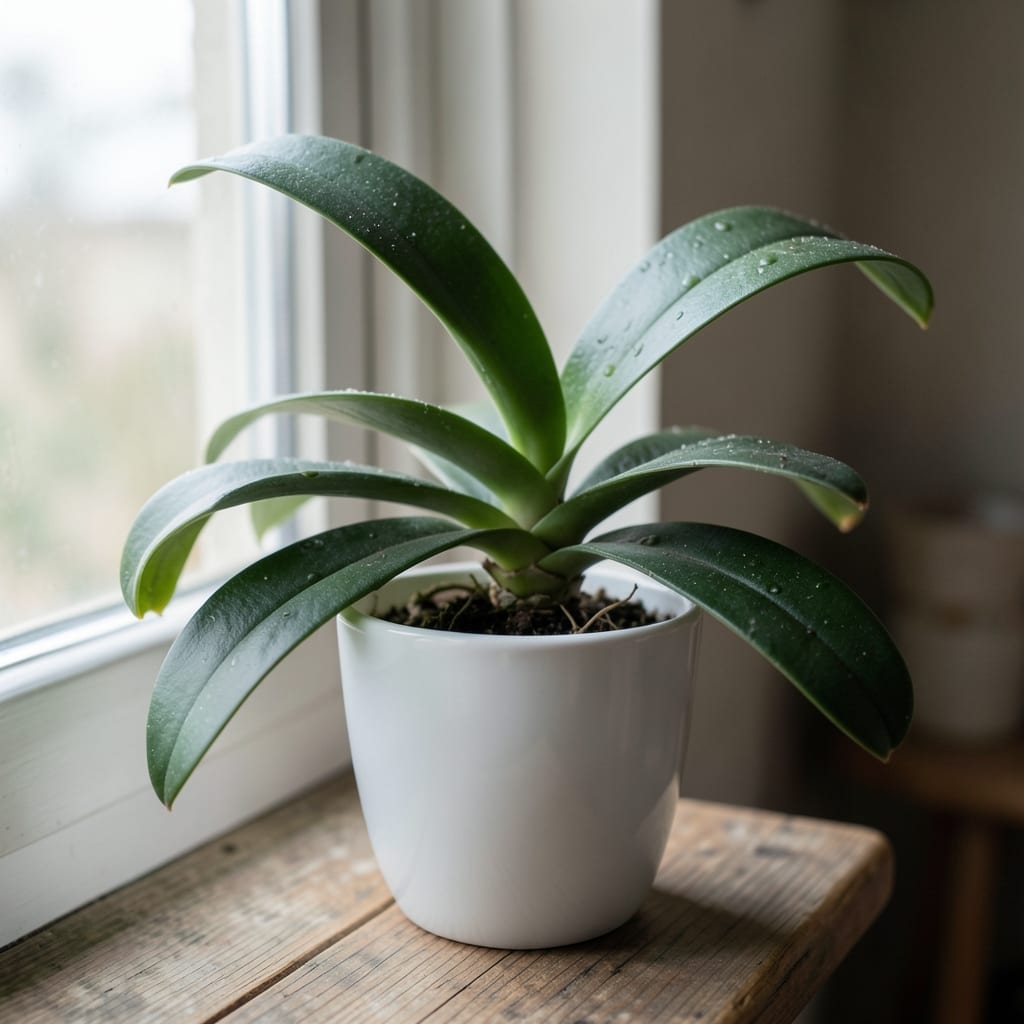
Those little bumps on your orchid leaves aren’t just unsightly—they’re a warning sign. I’ve dealt with my fair share of orchid issues, and these raised spots usually mean pests or environmental stress are at work.
The usual suspects are scale insects, mealybugs, or even overwatering causing edema. Each has a different treatment, but catching them early makes all the difference. Most cases clear up within 2-3 weeks with the right approach.
You’ll want to isolate the plant first, then inspect with a magnifying glass. What you find next determines whether you reach for neem oil, a systemic treatment, or just adjust your watering routine.
Prevention is simpler than you think—consistent airflow, proper humidity, and regular leaf checks keep most problems from starting. Here’s how to handle it.
Understanding why bumps appear on orchid leaves starts with identifying the underlying triggers. These irregularities often signal stress, pests, or environmental imbalances. Below are the most common causes, explained with clarity and actionable insights.
When orchids absorb more water than they can transpire, edema occurs. This condition causes cells to burst, forming small, water-filled bumps, often on the undersides of leaves. It’s most common in cool, humid environments with poor air circulation. Fix it: Reduce watering frequency and improve ventilation around your plant.
Tiny bumps may indicate scale insects, mealybugs, or spider mites. These pests feed on sap, leaving behind raised, discolored spots or sticky residue (honeydew). Inspect leaves closely—especially the undersides—for clusters or webbing. Fix it: Isolate the plant and treat with neem oil or insecticidal soap.
Pathogens like Phyllosticta (leaf spot) or Bacterial Soft Rot can create raised, water-soaked lesions that later turn brown or black. These thrive in wet, poorly ventilated conditions. Fix it: Remove infected leaves, avoid overhead watering, and apply a copper-based fungicide.
Sudden temperature swings, excessive sunlight, or low humidity can stress orchids, leading to blisters or callus-like bumps. For example, Phalaenopsis orchids may develop bumps from direct sun exposure. Fix it: Maintain stable conditions (60–80°F, 40–70% humidity) and provide indirect light.
Over-fertilizing—especially with high-nitrogen formulas—can cause salt buildup in leaf tissues, manifesting as bumps or crusty deposits. Fix it: Flush the growing medium with water to remove excess salts and adjust your feeding schedule.
If you’ve spotted bumps on your orchid leaves, don’t panic—most issues are fixable with the right approach. Below are targeted solutions for common causes, along with prevention tips to keep your plant thriving.
Fix: Adjust your watering routine. Let the top inch of soil dry out between waterings, and ensure your orchid’s pot has proper drainage. If the bumps are severe, reduce humidity slightly to help the plant recover.
Prevention: Water in the morning so excess moisture evaporates during the day. Avoid misting leaves directly, as this can worsen edema.
Fix: Isolate the plant and gently wipe leaves with a cotton swab dipped in 70% isopropyl alcohol to remove pests. For severe cases, use a neem oil spray or insecticidal soap, applying every 5–7 days until pests are gone.
Prevention: Inspect new plants before bringing them near your orchids. Maintain good airflow and avoid over-fertilizing, which can attract pests.
Fix: Remove affected leaves with sterilized scissors to prevent spreading. Treat the plant with a copper-based fungicide or a diluted hydrogen peroxide solution (1 part 3% peroxide to 10 parts water).
Prevention: Avoid wetting the leaves during watering, and ensure the growing area is clean and well-ventilated. Sterilize tools between uses.
Fix: Flush the growing medium with distilled water to leach out excess salts. Repot the orchid in fresh bark mix if the roots show signs of burn.
Prevention: Fertilize at half-strength every 2–4 weeks during active growth, and skip feeding entirely during dormancy.
💡 Pro Tip: Always quarantine new orchids for 2–3 weeks to monitor for pests or diseases before introducing them to your collection.
Most bumps are treatable if caught early, but pests like scale can weaken the plant over time. Edema won’t spread but may cause scarring. Act quickly to prevent lasting damage.
Pests leave sticky residue or move when touched. Edema bumps are water-filled and appear after overwatering. Use a magnifying glass to check for tiny insects.
Yes! 70% isopropyl alcohol on a cotton swab works for pests. For edema, reduce watering and improve airflow. Always test remedies on one leaf first.
Edema bumps may dry up with proper care, but pest-related bumps won’t. Remove pests manually and treat the plant to ensure full recovery.