
Beautiful Plants For Your Interior
Beautiful Plants For Your Interior
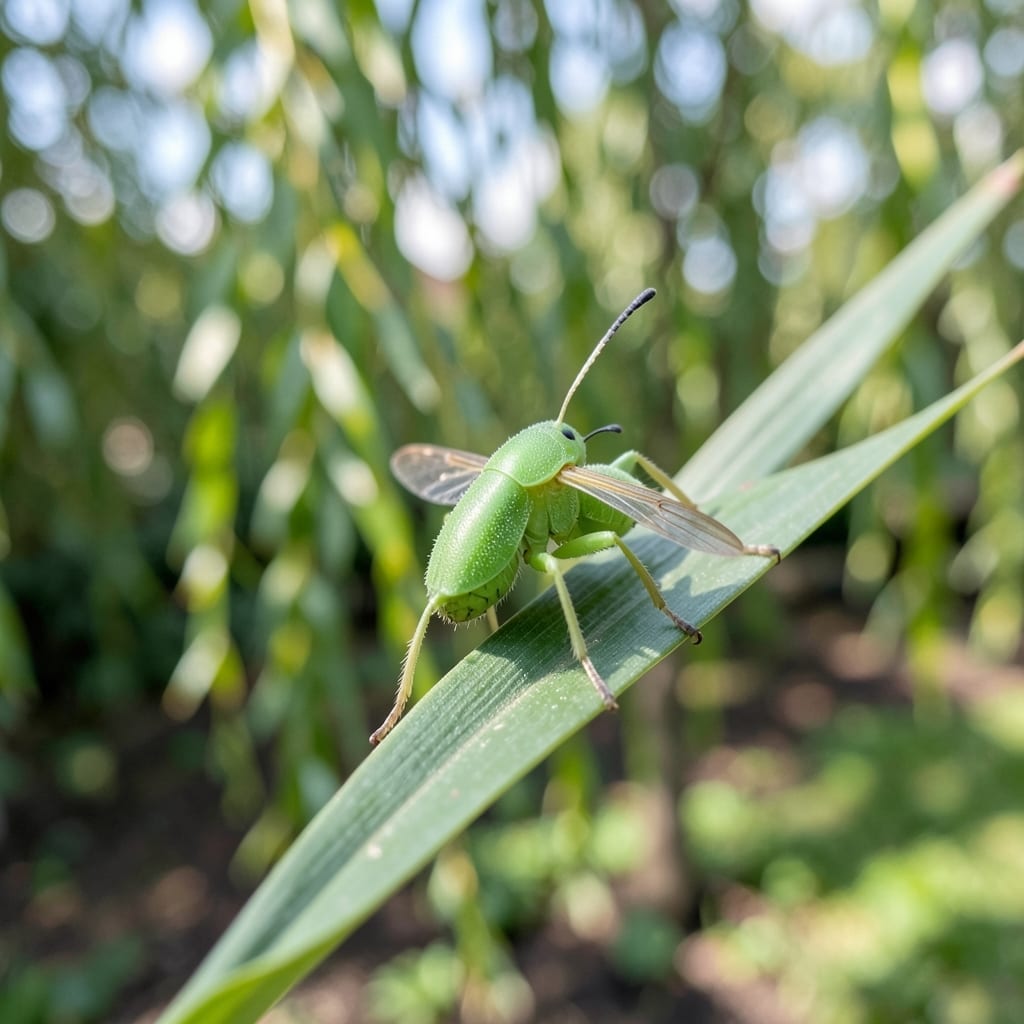
I noticed my willow’s leaves turning yellow last summer, then saw the culprits crawling underneath. These pests don’t just look bad—they can weaken or even kill a mature tree if left unchecked.
From aphids to borers, each bug leaves a distinct mark on bark, leaves, or branches. Some suck sap, others chew through wood, but the warning signs are usually visible before serious damage starts.
You don’t need harsh chemicals to fight back. Neem oil and soapy water sprays work on soft-bodied pests, while beneficial insects can tackle the rest. Early action saves time and trees.
The best defense is a healthy tree. Proper watering, mulching, and seasonal inspections keep most problems from taking hold in the first place.
Willow trees often become hotspots for pests due to a mix of biological, environmental, and ecological factors. Understanding these root causes helps in preventing and managing infestations effectively.
Willows thrive in wet or poorly drained soils, which creates an ideal habitat for moisture-loving insects like aphids, willow borers, and scale insects. Their soft, water-rich bark and leaves provide both hydration and easy entry points for pests to feed and lay eggs.
The fast-growing nature of willows often results in softer wood compared to other trees. This makes them vulnerable to boring insects (e.g., Cossus cossus or goat moth larvae), which tunnel into the trunk, weakening the tree further. Stressed or damaged willows emit chemical signals that attract these pests from miles away.
Willow leaves and sap are packed with sugars and amino acids, a buffet for sap-sucking pests like willow psyllids and leaf beetles. The tree’s high nutrient content also supports fungal growth (e.g., willow blight), which can attract secondary pests like bark beetles that feed on weakened tissue.
As a keystone species in riparian ecosystems, willows provide shelter and food for a wide range of insects. Their dense foliage and branching structure create microhabitats that shield pests from predators and harsh weather, accelerating their reproduction cycles.
Dealing with pests on your willow trees? Here’s how to tackle the most common culprits with practical, easy-to-follow solutions.
Use a strong stream of water from a garden hose to dislodge aphids from the leaves. For stubborn infestations, apply insecticidal soap or neem oil every 5–7 days until they’re gone. Prevention tip: 💡 Encourage ladybugs and lacewings—natural aphid predators—by planting pollinator-friendly flowers nearby.
Spider mites thrive in dry conditions. Spray the tree with water to disrupt their activity, and apply horticultural oil to smother them. Prevention tip: 🌡️ Keep your willow well-watered, especially during hot, dry spells, to deter future outbreaks.
Remove and destroy infested branches to prevent borers from spreading. For severe cases, apply a systemic insecticide labeled for wood-boring pests. Prevention tip: ✨ Maintain tree health with proper pruning and fertilization to reduce vulnerability.
Gently scrape off visible scale with a soft brush or cloth. Follow up with dormant oil in late winter or early spring to suffocate remaining pests. Prevention tip: 🎯 Inspect your tree regularly for early signs of scale to catch infestations before they worsen.
Always follow product instructions carefully, and prioritize organic or low-toxicity options whenever possible to protect beneficial insects and the environment.
Aphids, willow borers, spider mites, and scale insects are the usual suspects. Aphids cluster on new growth, while borers tunnel into the trunk. Spider mites create fine webbing, and scale appears as small bumps on bark.
Look for yellowing leaves, sticky residue (from aphids), or tiny holes in the bark. Wilting foliage or sawdust-like frass near the base often signals borer activity. Early detection makes treatment easier.
Yes! Introduce beneficial insects like ladybugs for aphids, or use neem oil sprays. Horticultural oils work well against mites and scale. Always apply treatments during cooler parts of the day.
Act at the first signs of damage, ideally in early spring or late summer. Dormant oil applications work best in late winter before new growth starts. Avoid treating during extreme heat or drought.