
Beautiful Plants For Your Interior
Beautiful Plants For Your Interior
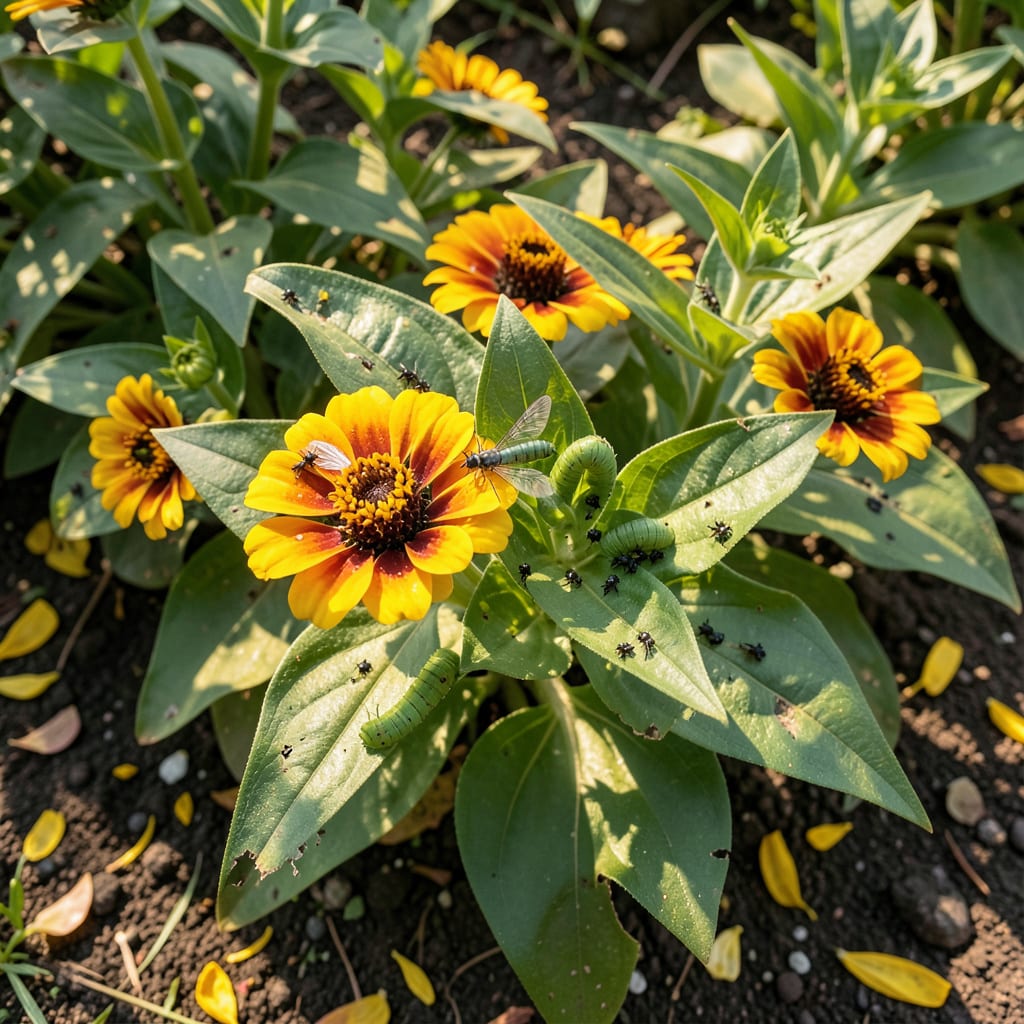
Nothing ruins zinnia season faster than watching leaves get chewed overnight. I’ve lost entire beds to unseen pests, but the solution starts with identifying the culprit before it spreads.
Japanese beetles, aphids, and caterpillars are the usual suspects. Each leaves a distinct pattern—skeletonized leaves, curled edges, or visible holes. The fix often requires just a daily inspection and targeted action.
Natural solutions like neem oil or hand-picking work surprisingly well. I’ve saved plants with just soapy water and persistence. The key is catching it early before damage escalates.
Prevention means healthy soil, companion planting, and removing debris. Your zinnias can bounce back stronger than before.
Zinnias are vibrant, hardy flowers, but their lush foliage can attract a variety of pests. Here’s why bugs target zinnia leaves, broken down by the most common culprits:
These metallic green-and-copper beetles skeletonize leaves by devouring the soft tissue between veins. They’re drawn to zinnias because the leaves emit volatile organic compounds (VOCs)—chemical signals that advertise a tasty, nutrient-rich meal. Japanese beetles are most active in mid-summer and feed voraciously during warm, sunny days.
Tiny but destructive, aphids pierce leaf cells to extract sap, leaving behind curled, yellowed, or distorted foliage. They thrive in over-fertilized or water-stressed zinnias, where the plant’s high nitrogen content and weakened defenses make it an easy target. Aphids also excrete honeydew, a sticky substance that attracts ants and promotes sooty mold growth.
These minuscule pests scrape leaf surfaces to feed on plant juices, causing stippling (tiny white or yellow spots) and webbing. Spider mites proliferate in hot, dry conditions, which stress zinnias and reduce their ability to resist infestations. Their rapid reproduction means a small problem can explode into a full-blown attack in just a few days.
Species like the zinnia leafminer or armyworms consume large sections of leaves, often leaving ragged edges or holes. They’re attracted to zinnias because the leaves are tender and packed with proteins and moisture. Caterpillars are most active during evening and early morning, when temperatures are cooler.
Each of these pests exploits specific vulnerabilities in zinnias, whether it’s nutritional content, environmental stress, or seasonal timing. Addressing these root causes is key to keeping your zinnias pest-free.
Dealing with pests munching on your zinnias? Here’s how to tackle the most common culprits and restore your garden’s beauty.
Use a strong stream of water to dislodge these tiny green or black bugs from the leaves. For heavier infestations, spray with insecticidal soap or neem oil, focusing on the undersides of leaves where they hide. Prevention tip: 💡 Encourage natural predators like ladybugs by planting companion flowers such as marigolds or yarrow.
Create a physical barrier with copper tape around plant beds or use a shallow dish of beer to trap them overnight. Handpick them off plants in the early morning when they’re most active. Prevention tip: 🌿 Keep the garden free of debris and water in the morning so surfaces dry by evening, making it less inviting for these pests.
Drop beetles into soapy water early in the day when they’re sluggish. For larger outbreaks, use pheromone traps, but place them far from your zinnias to avoid attracting more. Prevention tip: ✨ Apply floating row covers early in the season to block adult beetles from reaching the plants.
These thrive in hot, dry conditions. Spray plants with water to disrupt their activity, or use horticultural oil for severe cases. Prevention tip: 🎯 Mist zinnias regularly and avoid over-fertilizing with nitrogen, which can attract mites.
For all pests, regular inspection is key—check leaves, especially the undersides, weekly. Healthy plants resist pests better, so maintain consistent watering and balanced fertilization. Pro tip: 🌱 Rotate zinnias with other plant families yearly to break pest life cycles.
Japanese beetles, aphids, and caterpillars are the top offenders. Each leaves distinct damage patterns like skeletonized leaves or ragged holes.
Look for tiny white or yellow spots and fine webbing on leaf undersides. These pests thrive in hot, dry conditions and multiply rapidly.
Yes! Neem oil, insecticidal soap, and hand-picking work well. Companion planting with marigolds can also deter pests naturally.
