
Beautiful Plants For Your Interior
Beautiful Plants For Your Interior
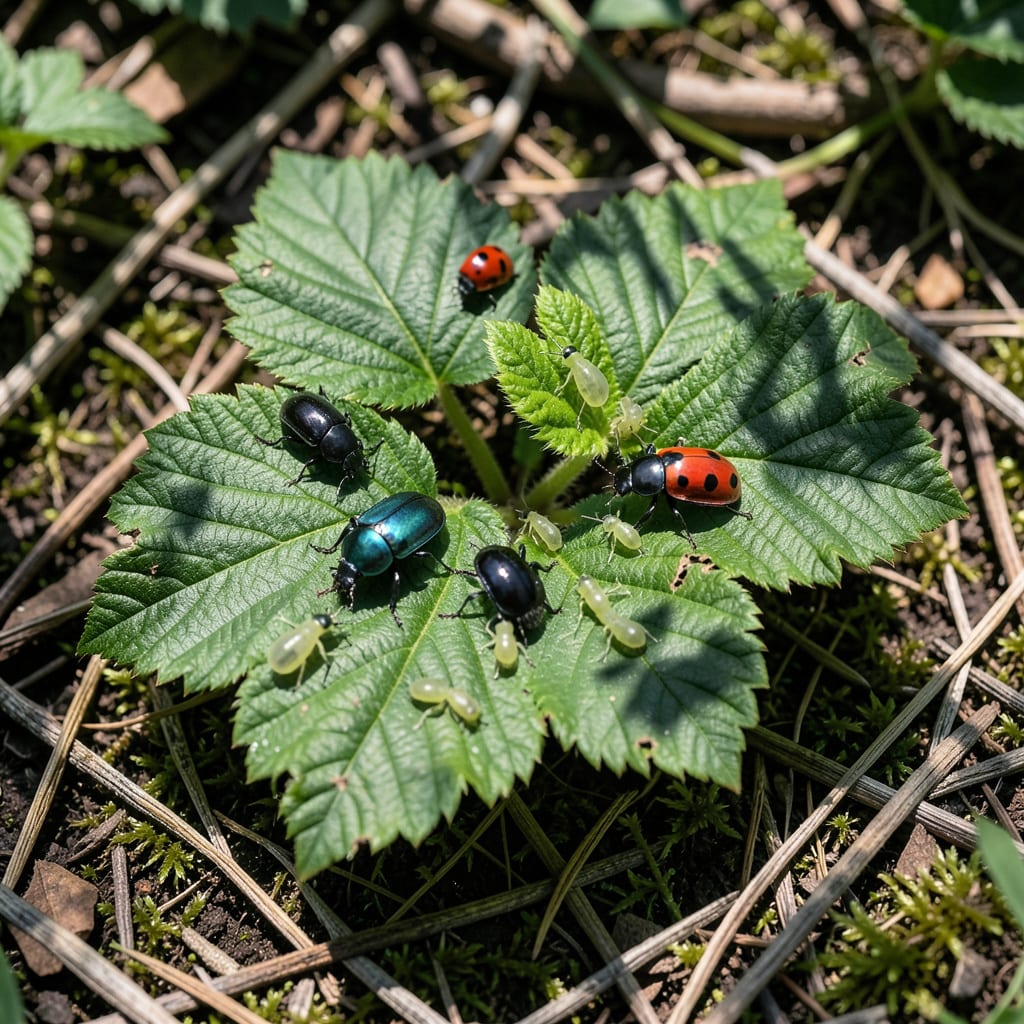
Raspberry leaves with jagged edges or missing chunks mean trouble. I’ve lost entire canes to unseen pests before learning to spot the culprits early—Japanese beetles, sawfly larvae, and aphids love these plants just as much as we do.
The damage looks different depending on the bug: skeletonized leaves, rolled edges, or sticky residue. Each sign tells you which organic fix to try first. Neem oil, hand-picking, or beneficial insects can turn the tide without chemicals.
Healthy canes bounce back fast once the pests are gone. You’ll see new growth within 2-3 weeks if you act quickly. Prevention is even simpler—keep the area clean and monitor leaves weekly.
Works for summer-bearing and ever-bearing varieties alike. Here’s how to protect your patch this season.
Understanding why bugs target your raspberry leaves starts with recognizing the underlying factors that attract them. Here’s a breakdown of the most common causes:
Raspberry plants thriving in nitrogen-rich but imbalanced soil often produce tender, succulent leaves—an open invitation for pests like aphids and Japanese beetles. Excess nitrogen promotes lush foliage at the expense of plant resilience, making leaves a prime food source. Action: Test your soil and adjust with balanced organic fertilizers (e.g., compost or fish emulsion) to toughen leaf tissue.
Soggy soil creates a breeding ground for fungus gnats, slugs, and snails, which feast on damp raspberry leaves. Overwatering also stresses plants, weakening their natural defenses. Action: Ensure proper drainage with raised beds or mulch, and water only when the top inch of soil is dry.
Gardens lacking beneficial insects (e.g., ladybugs, lacewings) allow pest populations to explode. Monoculture plantings or pesticide use can disrupt this balance. Action: Introduce companion plants like marigolds or yarrow to attract predator insects, or apply neem oil (a natural deterrent) sparingly.
Raspberries under stress from disease, drought, or crowding emit chemical signals that attract pests like spider mites and sawflies. Action: Prune regularly to improve airflow, remove diseased canes, and space plants 18–24 inches apart to reduce stress.
Addressing these root causes strengthens your raspberries’ resistance, making them less appealing to leaf-munching invaders.
Dealing with pests munching on your raspberry leaves? Here’s how to tackle each common culprit with simple, effective fixes—and keep them from coming back.
Use a strong spray of water from your garden hose to dislodge aphids early in the morning. For stubborn infestations, apply insecticidal soap or neem oil (mix 1 tbsp oil + 1 tsp dish soap per gallon of water) every 5–7 days. Prevention tip 💡: Encourage ladybugs—natural predators—by planting dill, fennel, or marigolds nearby.
Pick beetles off plants by hand in early morning (they’re sluggish then) and drop them into soapy water. Set up pheromone traps away from your raspberries to lure them elsewhere. Prevention tip 🎯: Cover plants with floating row covers during peak beetle season (June–July).
Prune and destroy infested leaves immediately to remove eggs and larvae. Apply spinosad (an organic bacteria-based spray) if the outbreak is severe. Prevention tip ✨: Inspect leaves weekly for early signs—larvae look like small, green caterpillars.
Spider mites thrive in dry conditions. Mist plants regularly or use a humidifier in greenhouses. For active infestations, spray with neem oil or introduce predatory mites (like Phytoseiulus persimilis). Prevention tip 🌡️: Avoid overhead watering to reduce dust, which mites love.
Proactive care keeps your raspberry plants healthy and resilient. Rotate treatments to prevent resistance, and always check under leaves—that’s where pests love to hide!
Look for jagged holes, skeletonized leaves, or sticky residue. Japanese beetles leave ragged edges, while aphids cause curled leaves with a shiny coating.
Act at the first sign of damage or when you spot pests. Early morning is best for hand-picking beetles or spraying treatments like neem oil.
It’s possible but not recommended for edible plants. Organic options like insecticidal soap or spinosad work well and avoid harmful residues.
Encourage natural predators with companion plants, maintain good airflow, and remove fallen leaves. Regular inspections catch problems early.
