
Beautiful Plants For Your Interior
Beautiful Plants For Your Interior
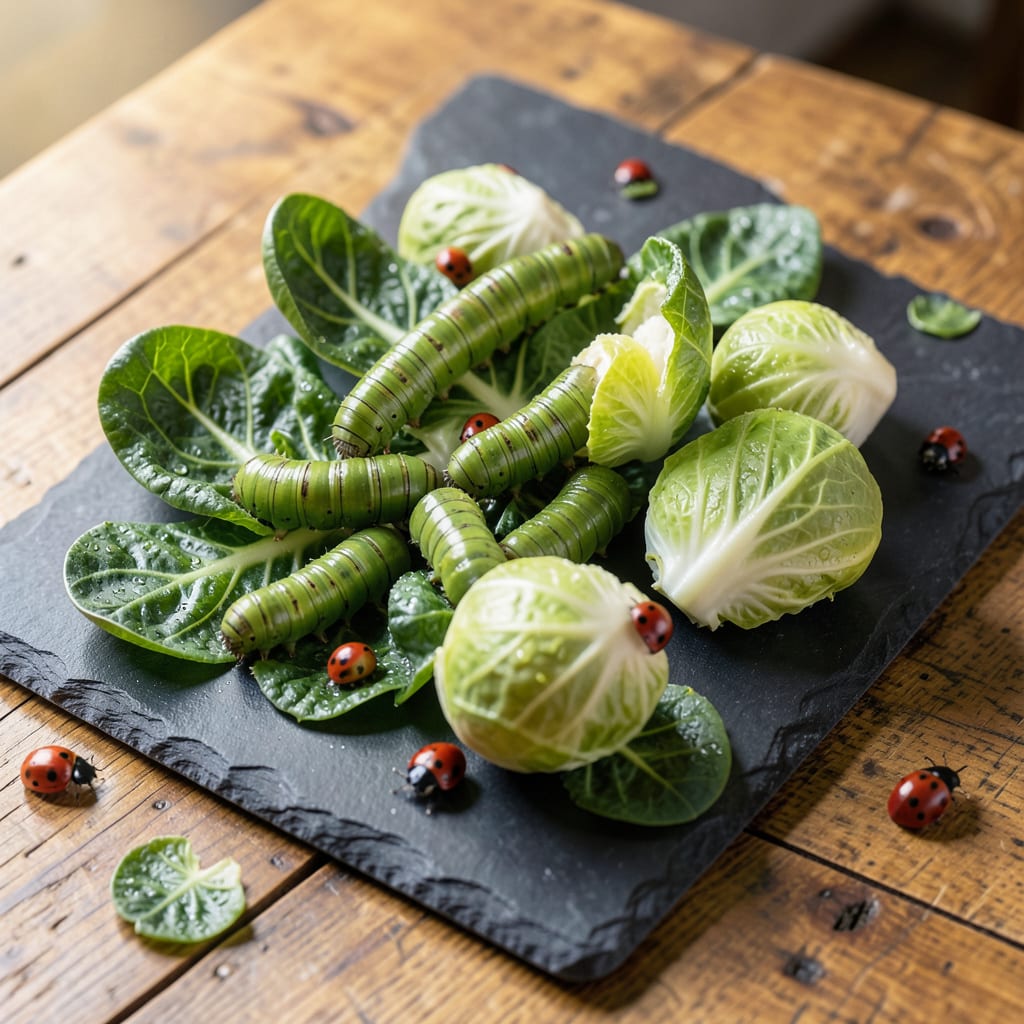
Nothing ruins a brussel sprout harvest faster than finding holes in the leaves. 🌿 I lost my first crop to cabbage worms before learning how to spot the early signs—tiny eggs on the undersides and chewed edges appearing overnight.
The usual suspects are cabbage loopers, aphids, and flea beetles, each leaving their own damage pattern. Organic solutions exist for all of them, from hand-picking to neem oil sprays. A weekly leaf inspection catches problems before they explode.
Prevention beats treatment every time. Companion planting with herbs like dill or mint disrupts pest life cycles. Row covers work wonders for young plants, and healthy soil produces resilient plants that resist attack.
You’ll protect your harvest without chemicals. The key is consistency—check plants often, act fast, and rotate your methods. Simple habits make all the difference.
Bugs target Brussels sprout leaves for several biological and environmental reasons. Understanding these causes helps you address infestations more effectively. Below are the most common triggers:
Brussels sprouts belong to the Brassica family, which emits sulfur-based compounds (glucosinolates) that naturally attract pests like cabbage worms, aphids, and flea beetles. These insects rely on the plant’s scent as a food source signal. The tender leaves and high nutrient content make sprouts an ideal breeding and feeding ground.
Warm, dry weather accelerates pest reproduction. Aphids, for example, thrive in temperatures between 60–80°F (15–27°C) and multiply rapidly in stagnant air or crowded plantings. Overwatering or poor drainage can also create humid microclimates that favor fungal growth, which in turn attracts sap-sucking insects like whiteflies.
Without row covers, companion planting (e.g., marigolds or thyme), or crop rotation, pests face no barriers to infestation. Monoculture plantings (growing only Brussels sprouts in one area) deplete soil diversity, making plants more susceptible to attack. Additionally, untreated garden debris or weeds can harbor eggs and larvae, leading to recurring outbreaks.
Stressed plants—due to nutrient deficiencies (e.g., low nitrogen), over- or under-fertilization, or physical damage—emit distress signals that lure pests. Weak plants also produce fewer defensive compounds, making them easier targets. Regular soil testing and balanced fertilization can bolster plant resilience against invaders.
Dealing with bugs munching on your Brussels sprout leaves can be frustrating, but these practical solutions will help you reclaim your garden. Below, we break down the most common culprits and how to address them effectively.
Aphids love clustering on the undersides of leaves. Use a strong jet of water from your garden hose to dislodge them. For stubborn infestations, apply insecticidal soap or neem oil every 5–7 days until they’re gone. Prevention tip: 💡 Attract ladybugs and lacewings—natural aphid predators—by planting companion flowers like marigolds or yarrow.
These slimy pests chew irregular holes in leaves. Create a physical barrier with copper tape around plant beds or use beer traps (bury a shallow dish filled with beer—they’ll crawl in and drown). Prevention tip: 🌿 Water plants in the morning so foliage dries by evening, making the environment less appealing to slugs.
Check leaves for green caterpillars or tiny yellow eggs. Handpick worms and drop them into soapy water. For larger plants, use floating row covers to prevent adult butterflies from laying eggs. Prevention tip: ✨ Rotate crops yearly to disrupt the life cycle of these pests.
These tiny pests thrive in dry conditions. Spray plants with water to knock them off and increase humidity. For severe cases, use horticultural oil. Prevention tip: 🎯 Avoid over-fertilizing with nitrogen, which can attract spider mites.
With these targeted fixes and preventive measures, your Brussels sprouts will thrive—bug-free!
Cabbage worms, aphids, and flea beetles are the top offenders. Each leaves distinct damage, like holes or yellowing, so inspect leaves closely to identify the culprit.
Inspect leaves at least once a week, focusing on the undersides where eggs and pests often hide. Early detection prevents major damage.
Yes! Use row covers, plant herbs like dill or mint nearby, and rotate crops yearly. These methods disrupt pest life cycles naturally.
They often return due to untreated garden debris or poor plant spacing. Remove old leaves and ensure good airflow to reduce hiding spots.
