
Beautiful Plants For Your Interior
Beautiful Plants For Your Interior
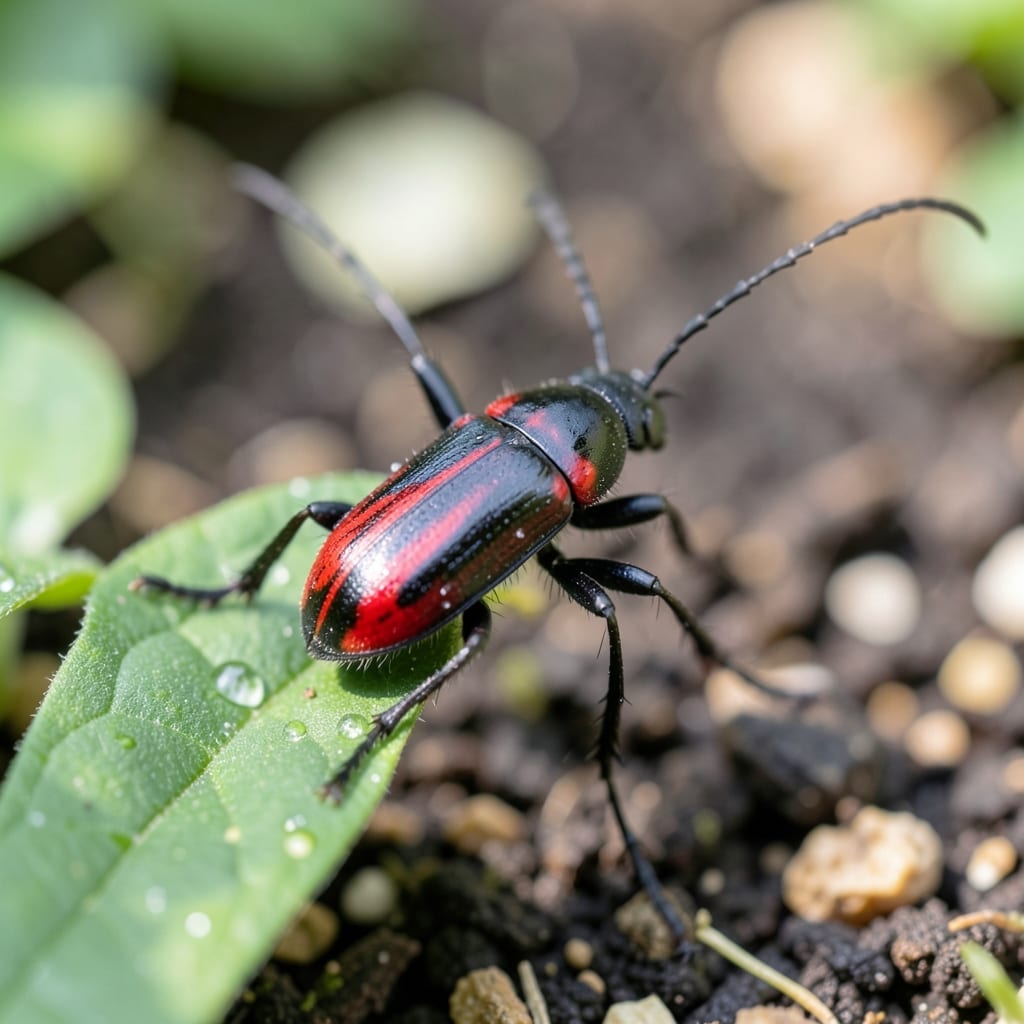
Spotted a bug with red stripes in your pond area? Don’t panic—most are harmless, but some can signal trouble for your plants or water ecosystem.
I’ve seen my fair share of these little visitors near water features. The red markings often help identify whether it’s a beneficial predator like a ladybug larva or a potential pest that needs attention.
With a quick visual check, you’ll know if it’s friend or foe. Some help control aphids, while others might damage aquatic plants. Knowing the difference saves you time and worry.
Organic solutions work best for managing the unwanted ones. Simple steps can keep your pond thriving without harsh chemicals.
The striking red lines on the back of certain aquatic bugs, like the water scorpion or giant water bug, aren’t just for show—they often signal specific biological or environmental triggers. Below are the most common causes, explained with scientific clarity.
Some species, such as the red-veined water bug (Diplonychus spp.), have evolved bright red or orange markings as aposematism—a visual warning to predators. These colors often indicate toxicity or bad taste, deterring fish, birds, or other threats. The red lines may also help with camouflage among reeds or algae in their pond habitats.
Red markings can intensify due to environmental stressors like temperature shifts or pollution. For example, some water bugs develop brighter colors in warmer water, as metabolic changes increase pigment production. In polluted ponds, chemical irritants (e.g., heavy metals) may trigger melanin or carotenoid surges, leading to more pronounced red lines.
In rare cases, red streaks or spots may indicate an underlying health issue. Fungal infections (e.g., Haptoglossa) or parasitic mites can cause localized inflammation, manifesting as red lines. If you notice unusual clustering of these marks or lethargy in the bug, the pond’s water quality should be tested for contaminants or pathogens.
During breeding seasons, male water bugs (e.g., Lethocerus americanus) may exhibit enhanced red coloration to attract mates or assert dominance. The lines serve as visual cues in courtship rituals or territorial disputes, signaling vitality and genetic fitness.
If you’ve spotted a bug with red lines on its back in your pond, here’s how to address the most common causes and keep your ecosystem healthy.
If these bugs are multiplying rapidly, they may be preying on beneficial pond life. Fix: Introduce natural predators like dragonfly nymphs or small fish to restore balance. Remove debris where they breed, such as decaying leaves or algae mats.
Red-lined bugs often thrive in stagnant or polluted water. Fix: Test your pond’s pH, ammonia, and oxygen levels. Use a UV clarifier or add aeration to improve circulation. Perform a partial water change (20-30%) if contaminants are high.
Prevention: Avoid overfeeding fish and limit organic waste buildup. Add aquatic plants like water lilies to naturally filter the water.
Some red-lined bugs appear in ponds with excessive sunlight or heat. Fix: Provide shade with floating plants or a pond cover. If the water is too warm, add cooler water gradually to stabilize the temperature.
Prevention: Monitor water temperature with a thermometer and adjust shading as seasons change.
Pesticides or algaecides can disrupt the pond’s ecosystem, leading to bug outbreaks. Fix: Stop using harsh chemicals immediately. Use biological controls like beneficial bacteria (e.g., Bacillus thuringiensis) to target pests without harming the pond.
Prevention: Opt for natural pond treatments and avoid run-off from treated lawns or gardens.
By tackling the root cause, you’ll reduce these bugs and create a thriving pond environment. 🎯
Most are harmless and may even help control pests. However, some species can prey on small fish or tadpoles. Identify the bug first to determine if action is needed.
Beneficial bugs often have smooth, oval bodies. Harmful ones may have pincers or a flattened shape. Check for rapid movement or clustering, which can indicate overpopulation.
Test your water quality first. If the pond is healthy, introduce natural predators like dragonfly nymphs. Avoid chemicals, as they can disrupt the ecosystem.
Yes, some thrive in stagnant or polluted water. If you notice an increase, check for low oxygen levels or high organic waste. Regular maintenance prevents outbreaks.