
Beautiful Plants For Your Interior
Beautiful Plants For Your Interior
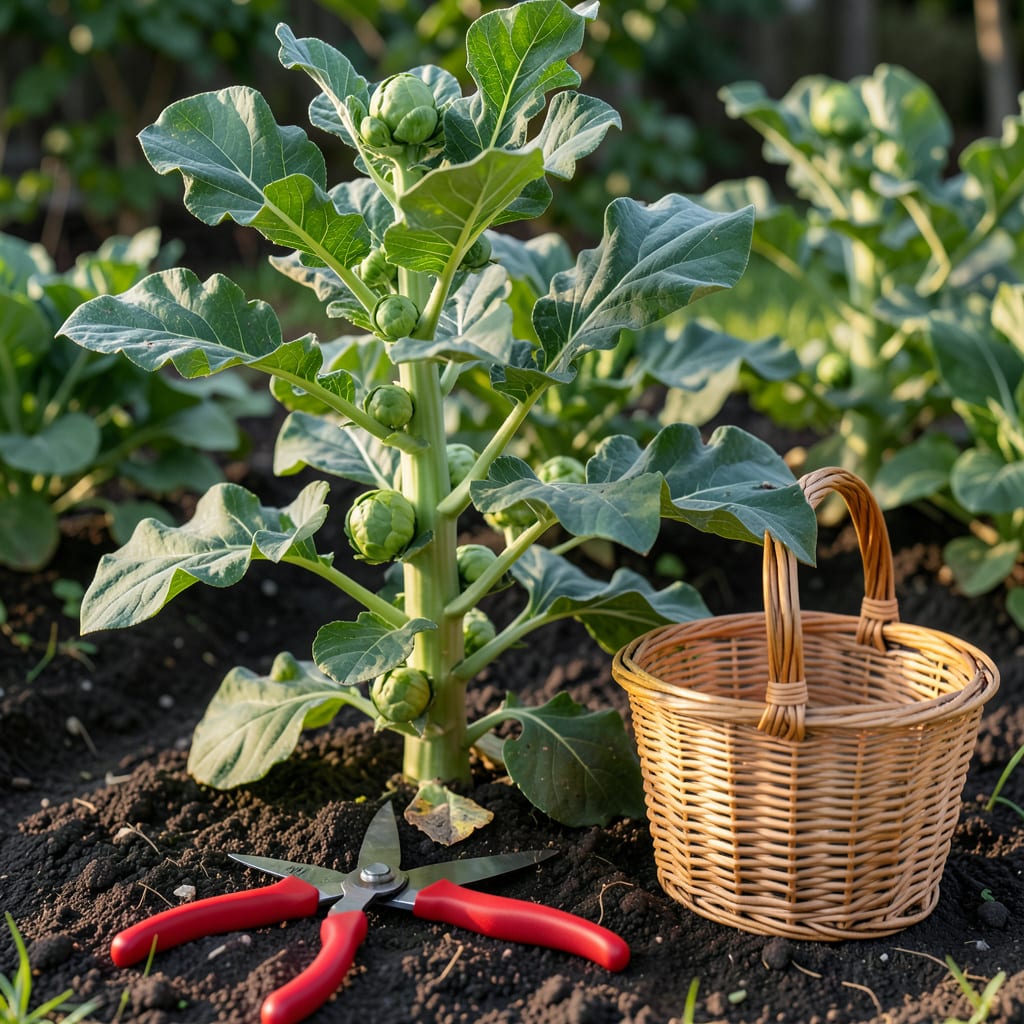
Ever picked a Brussels Sprout 🥬 and wondered why it tasted bitter? The harvest time makes all the difference between tender sweetness and tough disappointment.
I’ll show you how to spot the perfect moment to pick your crop. From size to color, these simple signs ensure you get the best flavor from your garden every time.


Timing your Brussels sprout harvest perfectly ensures sweet, tender sprouts. I’ve found that size and firmness are the most reliable indicators of readiness. The sprouts should be 1-2 inches in diameter and tightly closed.
Don’t just look at the sprouts – check the entire plant. When the lower leaves begin to yellow and the stalk reaches 2-3 feet, your plant is likely ready for harvest. This usually occurs 90-120 days after planting. 🌱
The bottom sprouts mature first on a Brussels sprout plant. I always start harvesting from the base of the stalk and work my way up as the upper sprouts continue to develop. This staggered approach gives you a longer harvest window.
Color is another crucial factor. Your sprouts should be a vibrant green when ready. If they’re turning pale or yellow, they’re either not ready or have been left too long on the plant. Remember, frost can improve the flavor of Brussels sprouts. ✂️
I check my plants every 2-3 days once they’re nearing maturity. The sprouts can go from perfect to overmature quickly, especially in warmer weather. In cooler climates, you might have a bit more time.
Don’t be afraid to test a sprout if you’re unsure. Gently squeeze it – if it feels solid and firm, it’s ready. If it gives under pressure, leave it on the plant for a few more days.
Remember that size isn’t everything. While 1-2 inches is ideal, I’ve had delicious sprouts that were slightly smaller or larger. The key is that they’re firm and bright green when you pick them.
For the best flavor, I recommend harvesting after a light frost but before a hard freeze. The cold weather helps convert the sprouts’ starches into sugars, making them sweeter and more tender. 🌿
Finally, always use a sharp knife or your fingers to twist the sprouts off the stalk. Be careful not to damage the plant, as you’ll likely be harvesting from it for several weeks as the upper sprouts mature.
The harvest window for Brussels sprouts varies significantly by season and region. In cooler climates like USDA Zone 6, fall plantings often yield the best results, with harvests typically occurring from September to November. The sprouts actually taste sweeter after a light frost. 🌱
For spring plantings, the harvest usually happens in early summer. However, I’ve found that fall plantings generally produce better flavor and yield. The cooler temperatures help the sprouts develop their characteristic sweetness.
In warmer regions like USDA Zone 9, Brussels sprouts can be grown as a winter crop. The cooler winter temperatures in these areas provide the ideal conditions for sweet, tender sprouts. Just be sure to plant early enough so the sprouts mature before temperatures rise in spring.
I always recommend checking your local frost dates when planning your Brussels sprout crop. The plants can tolerate light frosts, which actually improve flavor, but a hard freeze can damage the sprouts. In my experience, a light frost or two before harvest makes all the difference. ☀️
The maturity timeline also varies by variety. Most Brussels sprouts take 90-120 days to mature. Early varieties may be ready in as few as 80 days, while later varieties can take up to 130 days. Always check the seed packet for your specific variety’s days to maturity.
Remember that coastal regions often have a longer growing season. If you’re near the coast, you might be able to plant Brussels sprouts in late summer for a winter harvest. The mild coastal climate can extend your growing window significantly.
I’ve seen many gardeners rush their Brussels sprout harvest and end up with bitter, underdeveloped sprouts. The most common mistake is picking them too early when they’re still small and loose. Patience is key here. 🌱
Another frequent error is waiting too long. Overmature sprouts become tough and develop a strong, unpleasant flavor. I always check my plants every 2-3 days once they’re nearing maturity to catch them at their peak.
⚠️ Avoid These Harvesting Pitfalls
Never harvest all sprouts at once – they mature at different rates. Always start from the bottom of the stalk and work your way up as upper sprouts develop.
Some gardeners make the mistake of ignoring the plant’s overall condition. If the lower leaves are yellowing and the stalk is 2-3 feet tall, it’s a clear sign that harvesting should begin. These visual cues are just as important as the sprouts’ size and firmness.
I’ve also learned that harvesting during warm weather can lead to bitterness. Brussels sprouts taste best after a light frost, which converts their starches into sugars. If you must harvest before frost, do it in the cool morning hours for the best flavor. ☀️
Finally, avoid using dull tools that can damage the plant or sprouts. A clean, sharp knife or a firm twist with your fingers works best. This prevents unnecessary stress to the plant, allowing you to continue harvesting as the upper sprouts mature.
Look for sprouts that are 1-2 inches in diameter, bright green, and firm to the touch. The lower leaves will start yellowing when harvest time is near.
No, they mature at different rates. Start from the bottom of the stalk and work upward, picking only the ready ones. This gives you a continuous harvest over several weeks.
A light frost actually improves flavor by converting starches to sugars. However, a hard freeze can damage the sprouts. Harvest before severe cold sets in.
Overmature sprouts become tough and bitter. Check plants every 2-3 days once they near maturity to catch them at their peak.
