
Beautiful Plants For Your Interior
Beautiful Plants For Your Interior
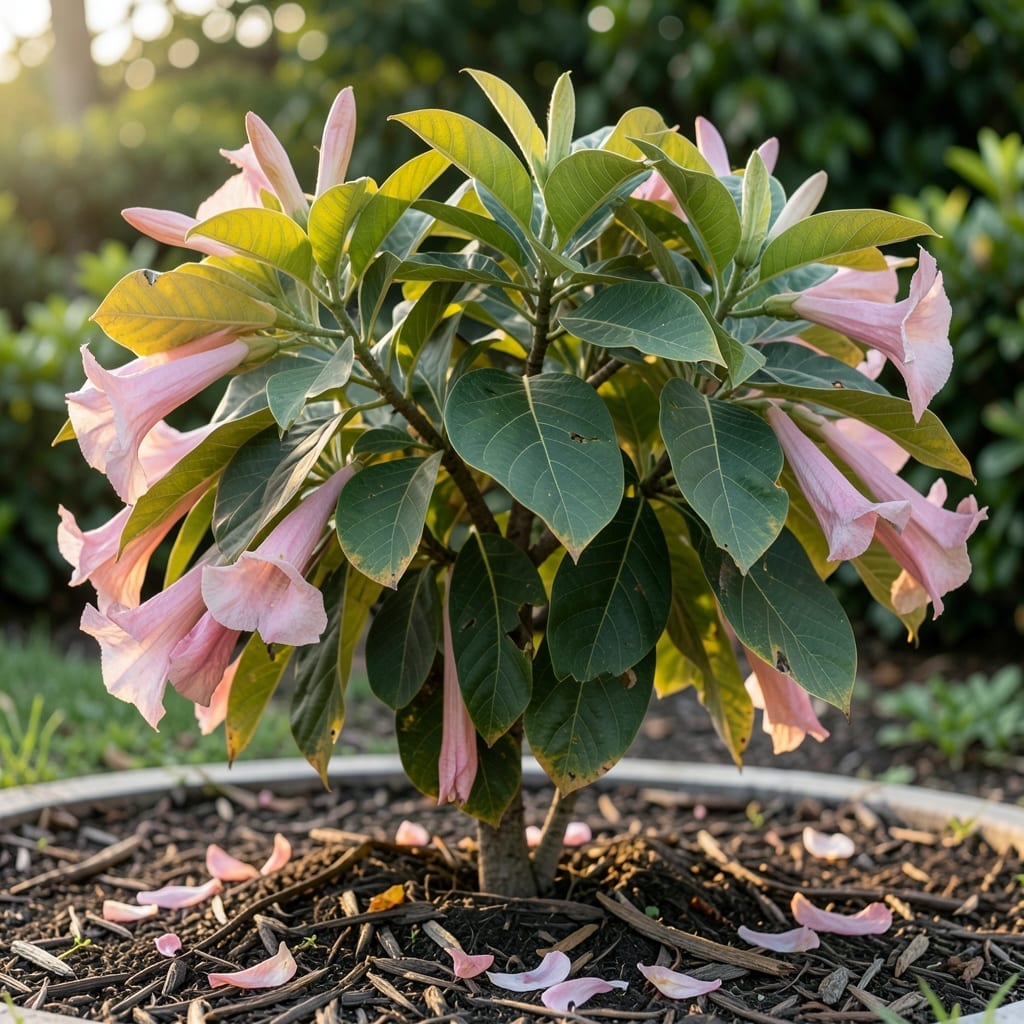
Yellow leaves on your brugmansia aren’t just unsightly—they’re a distress signal. I’ve seen this happen mid-summer when plants should be thriving, and the fix is usually simpler than you’d expect.
The culprit often hides below the surface: wrong pH, hungry roots, or waterlogged soil. My own angel’s trumpets perked up within 2 weeks after adjusting their diet and drainage.
You’ll spot the difference fast—new growth comes in vibrant green instead of sickly yellow, and the plant puts energy into blooms rather than survival.
Works for potted plants and garden specimens alike. Let’s get to the root of the problem.
When your Brugmansia starts sporting yellow leaves, it’s often a distress signal. Several factors can trigger this discoloration, each tied to how the plant absorbs nutrients or copes with its environment. Here’s a breakdown of the most common culprits:
Nitrogen, magnesium, or iron shortages are prime suspects. Nitrogen deficiency typically yellows older leaves first as the plant reallocates resources to new growth. Magnesium deficiency shows as interveinal chlorosis (yellowing between veins), while iron deficiency affects younger leaves due to poor mobility in the plant. A soil test can pinpoint which nutrient is lacking.
Brugmansia thrives in slightly acidic to neutral soil (pH 6.0–7.0). If the pH drifts too high (alkaline), essential micronutrients like iron and manganese become less available, even if present in the soil. Conversely, overly acidic soil can lock out phosphorus. Adjust pH with lime (to raise) or sulfur (to lower) based on test results.
Root rot from waterlogged soil chokes oxygen supply, leading to yellowing leaves. Brugmansia prefers moist but well-draining conditions. Check for soggy soil or foul odors—signs of Pythium or Phytophthora fungi. Ensure pots have drainage holes and use a gritty, loamy mix.
Extreme heat, cold drafts, or sudden light changes can stress the plant, manifesting as yellowing. Brugmansia enjoys bright, indirect light; direct sun can scorch leaves. Move potted plants to stable conditions and acclimate gradually to new environments.
Tackling yellowing leaves on brugmansia starts with identifying the root cause. Below are targeted fixes for common issues, paired with prevention tips to keep your plant thriving.
If leaves turn yellow between veins, your brugmansia likely lacks iron or magnesium. Apply a chelated iron supplement or Epsom salt solution (1 tbsp per gallon of water) every 2–4 weeks. For general nutrient boosts, use a balanced, water-soluble fertilizer (10-10-10) monthly during growing season.
Prevention: Test soil annually and amend with compost. Avoid over-fertilizing—follow package instructions.
Yellowing leaves with mushy stems signal root rot. Stop watering immediately and let the soil dry out. Repot in well-draining mix (add perlite or sand) and ensure pots have drainage holes.
Prevention: Water only when the top 1–2 inches of soil are dry. Use a moisture meter for accuracy.
Brugmansia thrives in slightly acidic soil (pH 6.0–6.5). Test your soil with a kit; if it’s too alkaline, amend with sulfur or peat moss. For acidic soil, add lime to raise pH.
Prevention: Retest soil every 6 months and adjust as needed.
Spider mites or aphids can cause yellowing. Spray leaves with neem oil or insecticidal soap weekly until pests are gone. Wipe leaves with a damp cloth to remove residue.
Prevention: Inspect plants regularly and keep the growing area clean.
Pro tip 💡: Always sterilize pruning tools to avoid spreading disease. Healthy brugmansia rewards you with lush, green foliage!
Water when the top 1-2 inches of soil feel dry. Overwatering causes root rot, so check moisture with your finger first.
Once yellow, leaves typically won’t recover, but fixing the underlying issue prevents new growth from yellowing. Focus on correcting care conditions.
Use a balanced 10-10-10 fertilizer monthly. For iron deficiency, add chelated iron every 2-4 weeks. Always follow label instructions.
Yes! Spider mites and aphids suck sap, causing discoloration. Treat with neem oil or insecticidal soap weekly until pests are gone.