
Beautiful Plants For Your Interior
Beautiful Plants For Your Interior
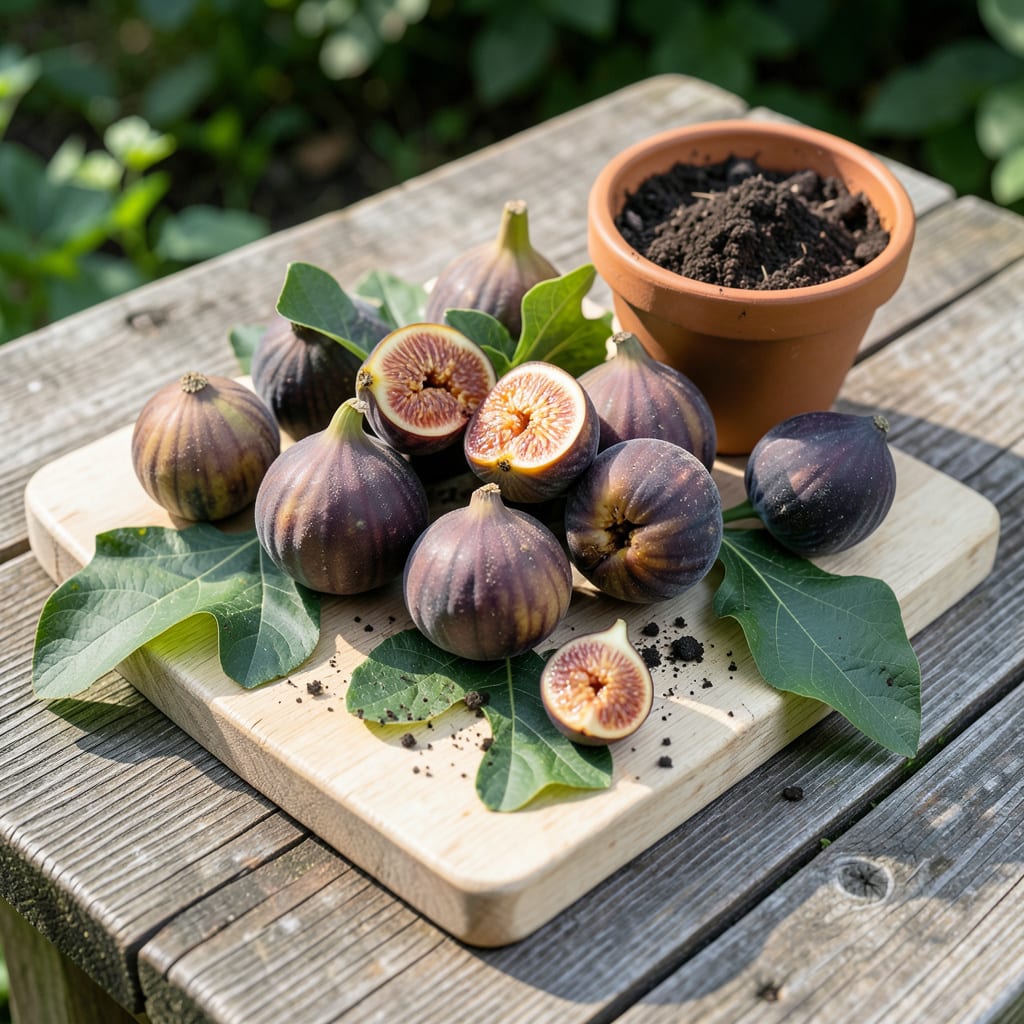
My first Brown Turkey fig nearly died from neglect. Now, I know it thrives with full sun and well-draining soil, rewarding me with sweet fruit every summer.
This tree asks for little but gives so much. Water it deeply once a week, prune in late winter, and protect it from frost. You’ll get reliable harvests for decades with minimal effort.
📚 In This Guide
Here’s my reliable approach for keeping your tree healthy and productive year after year.
Select a spot with full sun—at least 6-8 hours of direct sunlight daily—to ensure strong growth and sweet fruit. Fig trees tolerate a range of soil types, but they thrive in well-draining, loamy soil with a pH between 6.0 and 6.5.
If your soil is heavy clay or compacts easily, amend it with compost to improve drainage. Avoid low-lying areas where cold air or water pools, as this can stress the tree. I’ve found that a slightly elevated spot prevents root rot and encourages vigorous growth.
Water your tree deeply once the top 2 inches of soil feel dry, which typically means once every 7-10 days in hot weather. A deep soak encourages the roots to grow downward, making the tree more drought-resistant over time.
Newly planted trees need more frequent watering—about twice a week for the first month—to help establish their root systems. Once established, reduce watering to prevent soggy soil, which can lead to root rot. Mulch around the base with 2-3 inches of organic mulch to retain moisture and suppress weeds.
Feed your tree with a balanced fertilizer, such as a 10-10-10 or 8-8-8 formula, in early spring as new growth begins. Apply it according to the package instructions, usually 1 pound per year of the tree’s age, up to a maximum of 10-12 pounds for mature trees.
Avoid over-fertilizing, as this can lead to excessive leafy growth at the expense of fruit production. I also like to add a layer of compost around the base of the tree in late winter to provide slow-release nutrients. If the leaves start turning yellow, it might be a sign of nutrient deficiency or overwatering.
Prune your tree in late winter or early spring before new growth starts. Remove any dead, diseased, or crossing branches to improve air circulation and sunlight penetration. Thin out crowded areas to allow light to reach the center of the tree.
Fig trees fruit on new wood, so don’t be afraid to cut back up to one-third of the tree’s canopy if needed. After the first frost, I also remove any suckers growing from the base to keep the tree’s energy focused on fruit production. Always use clean, sharp pruning tools to prevent the spread of disease.
If you live in an area with cold winters, protect your tree by wrapping the trunk in burlap or using a frost cloth. Young trees are especially vulnerable to frost damage, so consider planting them in containers that can be moved indoors during winter.
Keep an eye out for common pests like aphids, scale, or fig moths. If you notice any signs of infestation, such as curled leaves or sticky residue, treat the tree with horticultural oil or insecticidal soap. Regularly inspect the leaves and fruit to catch problems early and keep your tree thriving.
These practical insights will help you avoid common pitfalls and get the most from your tree.
Sunlight Essentials: That 6-8 hours of direct sunlight daily in Step 1 isn’t just a suggestion—it’s critical for fruit production. I learned this the hard way when my first tree only produced a handful of figs. Even partial shade can significantly reduce your harvest. If your yard doesn’t get full sun, consider planting in a large container you can move to follow the sun.
Watering Wisdom: The top 2 inches of soil check in Step 2 is your best guide. Stick your finger in the soil—if it feels dry at that depth, it’s time to water. I’ve ruined more than one tree by overwatering out of guilt during dry spells. Remember, established trees actually prefer being slightly dry between waterings.
Pruning Precision: When Step 4 mentions cutting back up to one-third of the tree’s canopy, don’t be shy. I used to hesitate with my pruning, but bold cuts actually produce better fruit. The key is doing it in late winter before new growth starts, so you don’t accidentally remove the wood that would have borne this year’s figs.
Pest Prevention: The regular inspections mentioned in Step 5 are easier than dealing with an infestation. I check my trees every time I water, looking under leaves for the first signs of pests. Early treatment with horticultural oil is far more effective than trying to rescue a heavily infested tree.
Water deeply once a week during dry spells, ensuring the soil stays moist but not soggy. Young trees need more frequent watering, while established trees are drought-tolerant. Reduce watering in winter when the tree is dormant.
Plant in early spring or late fall when the tree is dormant. This allows roots to establish before summer heat or winter cold. Avoid planting during extreme temperatures for best results.
Lack of sunlight, overwatering, or nutrient deficiencies can delay ripening. Ensure your tree gets 6-8 hours of sunlight daily and is planted in well-draining soil. Fertilize lightly in spring if growth seems stunted.
Yes! Choose a large container (15-20 gallons) with drainage holes. Use well-draining potting mix and place the container in full sun. Container-grown trees may need more frequent watering and winter protection in cold climates.
