
Beautiful Plants For Your Interior
Beautiful Plants For Your Interior
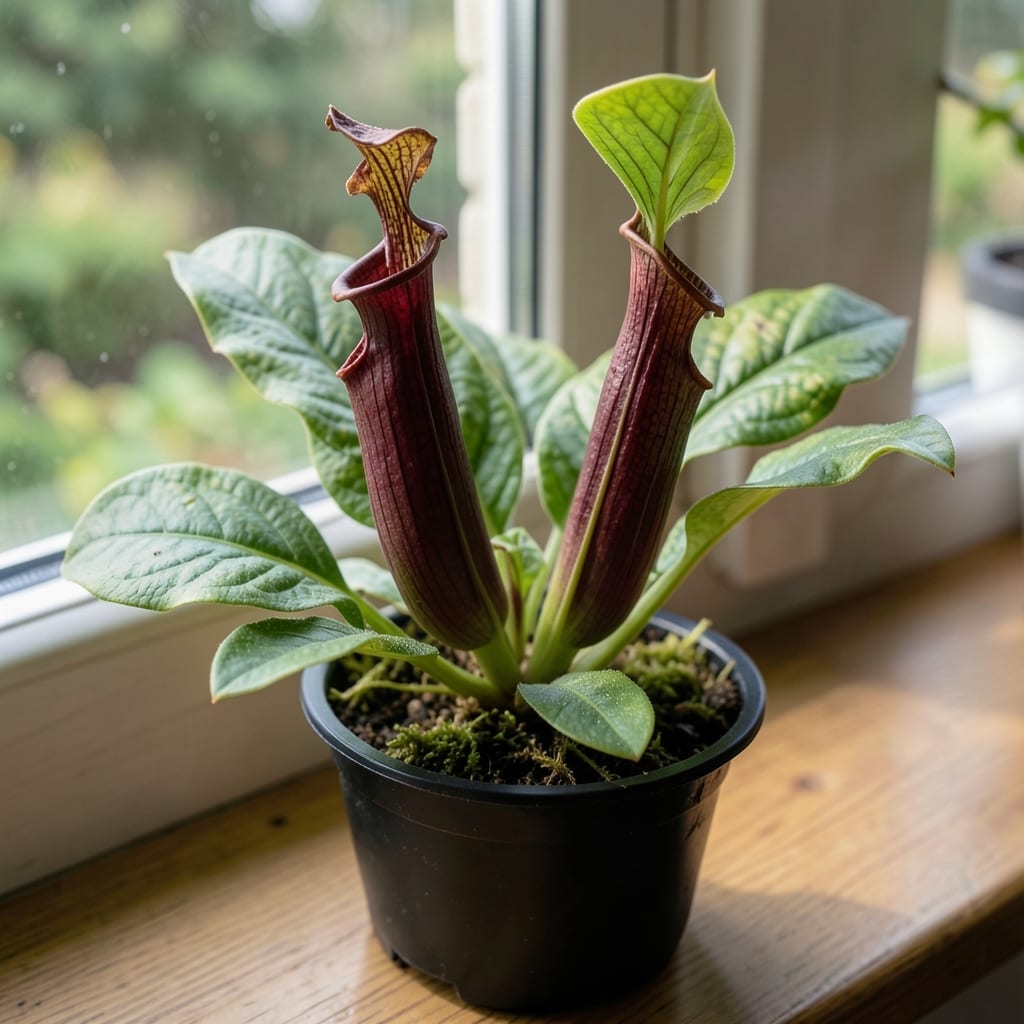
Brown tips on your pitcher plant mean it’s sending a distress signal. I’ve seen this happen most often when humidity drops or water quality takes a turn for the worse.
These tropical beauties expect consistent moisture and clean conditions. Tap water minerals or dry air stress them out fast, and those brown tips are the first warning sign.
Here’s the thing—fixing it usually takes just 2-3 adjustments to your routine. Better water, more humidity, and proper light can reverse the damage surprisingly quickly.
You’ll start seeing healthier new growth within 2-4 weeks once conditions stabilize. The existing brown tips won’t heal, but fresh pitchers will emerge damage-free.
Brown tips on the top of your pitcher plant are usually a sign of stress or improper care. Below are the most common causes, explained in simple, actionable terms.
Pitcher plants (Nepenthes) are tropical natives that thrive in high humidity (60–80%). When the air is too dry, the delicate pitcher edges dry out first, turning brown. This is especially common in indoor settings with air conditioning or heating. Fix it: Use a humidity tray, group plants together, or invest in a humidifier.
These plants love consistently moist (not soggy) soil. If the growing medium dries out, the pitchers suffer from dehydration, leading to browning. Conversely, waterlogged roots can rot, cutting off nutrient supply to the pitchers. Fix it: Water when the top inch of soil feels slightly dry, and ensure pots have drainage holes.
While pitcher plants need bright, indirect light, harsh direct sunlight (especially midday sun) can scorch the tips of pitchers. This is often seen as crispy, blackened edges. Fix it: Move the plant to a spot with bright, filtered light or use a sheer curtain to diffuse intense rays.
Pitcher plants are sensitive to minerals in tap water, which can accumulate in the soil and pitchers, causing tip burn. Fix it: Use distilled, rainwater, or reverse-osmosis water to prevent mineral toxicity.
These carnivorous plants get nutrients from insects, not soil. If they’re starved of prey (indoors), they may struggle. Conversely, over-fertilizing (even with weak solutions) can burn the pitchers. Fix it: Feed small insects (like fruit flies) occasionally, and avoid traditional fertilizers.
If the tips of your pitcher plant are turning brown, don’t panic—there are straightforward fixes for each common cause. Here’s how to revive your plant and prevent future issues.
Pitcher plants thrive in 60-80% humidity. If your air is too dry, place the pot on a pebble tray filled with water or use a humidifier nearby. Grouping plants together can also help. Prevention tip: Mist the plant lightly in the morning (avoid soggy foliage at night).
While pitcher plants love bright light, direct, scorching sun can burn their tips. Move your plant to a spot with bright, indirect light (east or north-facing windows work well). If outdoors, provide partial shade during peak afternoon hours. Prevention tip: Rotate the pot weekly for even light distribution.
Use distilled, rainwater, or reverse-osmosis water—tap water’s minerals can cause tip burn. Keep the soil consistently moist (but not waterlogged). Water from the bottom to encourage deep root growth. Prevention tip: Avoid letting the pot sit in stagnant water; empty saucers after 30 minutes.
Pitcher plants get nutrients from insects, so skip traditional fertilizers—they can overload the plant. If your plant isn’t catching bugs, offer 1-2 small insects (like fruit flies) per pitcher monthly. Prevention tip: Never feed it meat or fatty foods, which cause rot.
Keep your plant in a spot with steady temperatures between 60-85°F. Avoid drafts from AC, heaters, or open windows. Prevention tip: If moving plants indoors/outdoors, acclimate them gradually over a week.
Pro tip 💡: Trim brown tips with sterile scissors to redirect energy to healthy growth—but only if the rest of the leaf is green and firm.
No, once the tips are brown, they won’t recover. But trimming them with sterile scissors directs energy to new, healthy growth. Fresh pitchers should emerge damage-free within 2-4 weeks once conditions improve.
Misting helps temporarily but isn’t a long-term solution. For consistent 60-80% humidity, use a pebble tray or humidifier. Grouping plants together also boosts moisture levels effectively.
Tap water contains minerals that build up in the soil, causing tip burn. Always use distilled, rainwater, or reverse-osmosis water to prevent mineral toxicity and keep your plant thriving.