
Beautiful Plants For Your Interior
Beautiful Plants For Your Interior
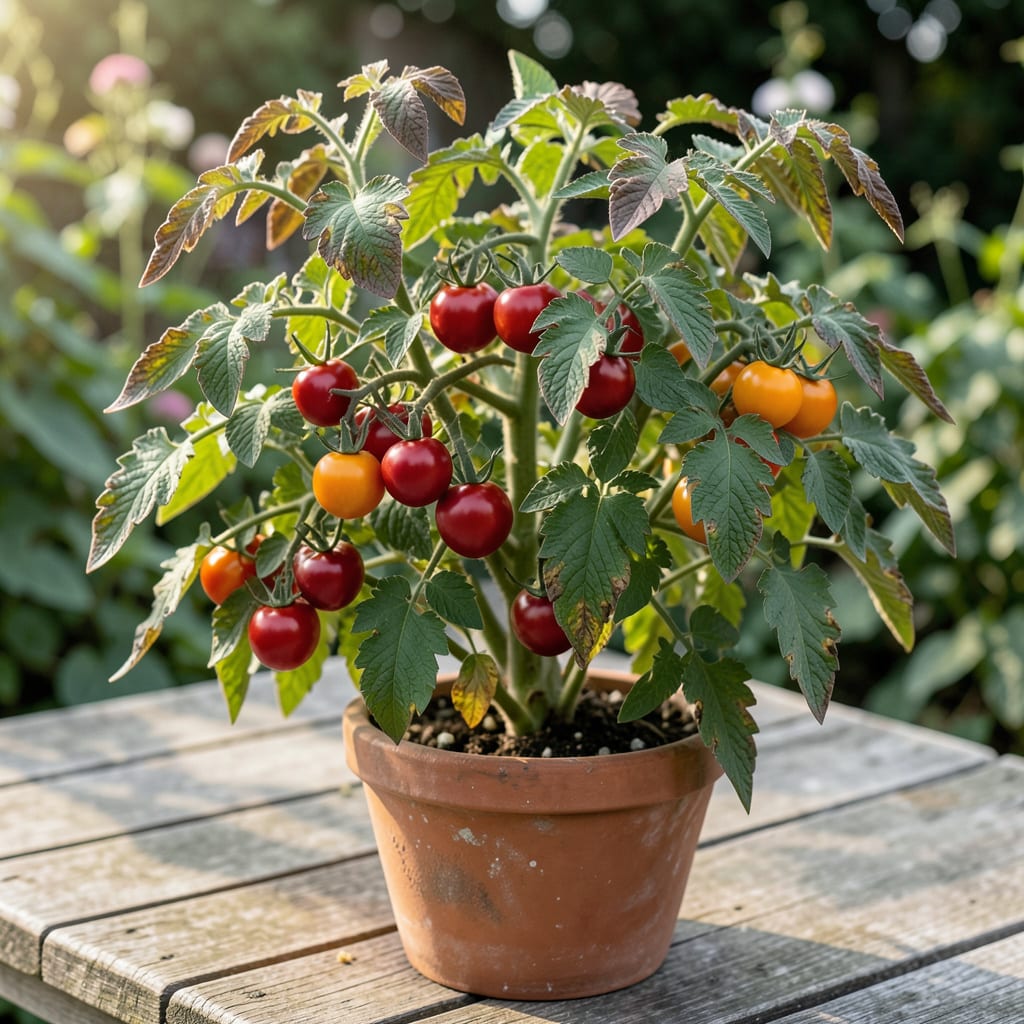
Brown tips on tomato leaves always catch me off guard, even after years of growing. 🌱 It’s not just unsightly—it’s your plant’s way of waving a white flag, and the cause is usually simpler than you think.
I’ve traced this issue back to three usual suspects: inconsistent watering, nutrient imbalance, or environmental stress. The good news? Each has a straightforward fix once you know what to look for.
You’ll start seeing improvement within 1-2 weeks once the right conditions return. Healthy leaves mean stronger plants and better harvests down the line.
Prevention is easier than cure, so I’ll share the habits that keep my tomatoes thriving from seedling to harvest.
Brown tips on tomato leaves often signal underlying stress. Below are the most common causes, explained with actionable insights to help you diagnose and fix the issue.
Tomatoes are heavy feeders, and calcium or potassium deficiencies frequently cause leaf tip burn. Calcium is critical for cell wall structure; without it, new growth (like leaf tips) becomes necrotic. Similarly, potassium regulates water movement—low levels disrupt osmosis, leading to scorched edges. Test soil with a kit (pH 6.0–6.8 is ideal) and amend with gypsum (for calcium) or wood ash (for potassium).
Inconsistent watering—both drought and overwatering—triggers tip browning. Drought stresses the vascular system, while soggy soil suffocates roots, reducing nutrient uptake. Blossom end rot (a related issue) often co-occurs with water stress. Use drip irrigation to maintain even moisture and mulch with straw to retain humidity.
Tomatoes thrive in 70–85°F (21–29°C). Heatwaves (above 90°F/32°C) or cold snaps (below 50°F/10°C) disrupt photosynthesis, causing oxidative damage at leaf tips. High humidity (>80%) invites fungal pathogens like Alternaria, which also browns foliage. Provide afternoon shade in hot climates and ensure airflow with pruning or spaced planting.
Over-fertilization, especially with synthetic nitrogen-heavy blends, can “burn” leaf margins due to salt buildup. Always dilute fertilizers to half-strength and water deeply afterward to flush excess salts. Organic options (e.g., compost tea) are gentler but should still be used judiciously.
Here’s how to tackle the most common causes of brown tips on tomato leaves, with simple fixes and prevention tips to keep your plants thriving.
Fix: Check soil moisture by sticking your finger an inch deep. If dry, water deeply until it drains from the bottom. If soggy, let the soil dry out before watering again. Use a moisture meter for precision.
Prevention: Water consistently—early morning is best. Ensure pots have drainage holes, and use mulch to retain moisture without waterlogging.
Fix: Flush the soil with distilled water to remove excess salts. Group plants together or use a humidity tray to boost moisture in dry climates.
Prevention: Avoid over-fertilizing, and use filtered or rainwater if your tap water is high in salts.
Fix: For calcium, add crushed eggshells or a calcium-rich foliar spray. For potassium, use compost or a balanced fertilizer (e.g., 10-10-10). Yellowing with brown tips? It’s likely potassium.
Prevention: Test soil annually and amend with organic matter before planting. Rotate crops to prevent depletion.
Fix: Shield plants with shade cloth during heatwaves or move potted tomatoes to a sheltered spot. Rinse leaves if exposed to herbicides or harsh sprays.
Prevention: Plant in well-ventilated areas and avoid spraying chemicals on windy days.
💡 Pro Tip: Prune affected leaves to redirect energy to healthy growth, but avoid removing more than 1/3 of the foliage at once.
New growth should appear healthy within 1-2 weeks of correcting watering, nutrients, or environment. Existing brown tips won’t heal but new leaves will grow normally. Consistency is key for full recovery.
Hard water can cause salt buildup over time. Use filtered or rainwater when possible, or flush soil monthly with distilled water. Mulching helps minimize evaporation of harmful minerals.
Yes, the fruit remains safe to eat. Brown tips are a stress response, not a disease. Simply remove damaged leaves and harvest ripe tomatoes as usual. Quality won’t be affected.
Gently remove the plant and inspect roots. Healthy roots are white and firm. Dark, mushy roots indicate rot—trim these and repot in fresh, well-draining soil.
