
Beautiful Plants For Your Interior
Beautiful Plants For Your Interior
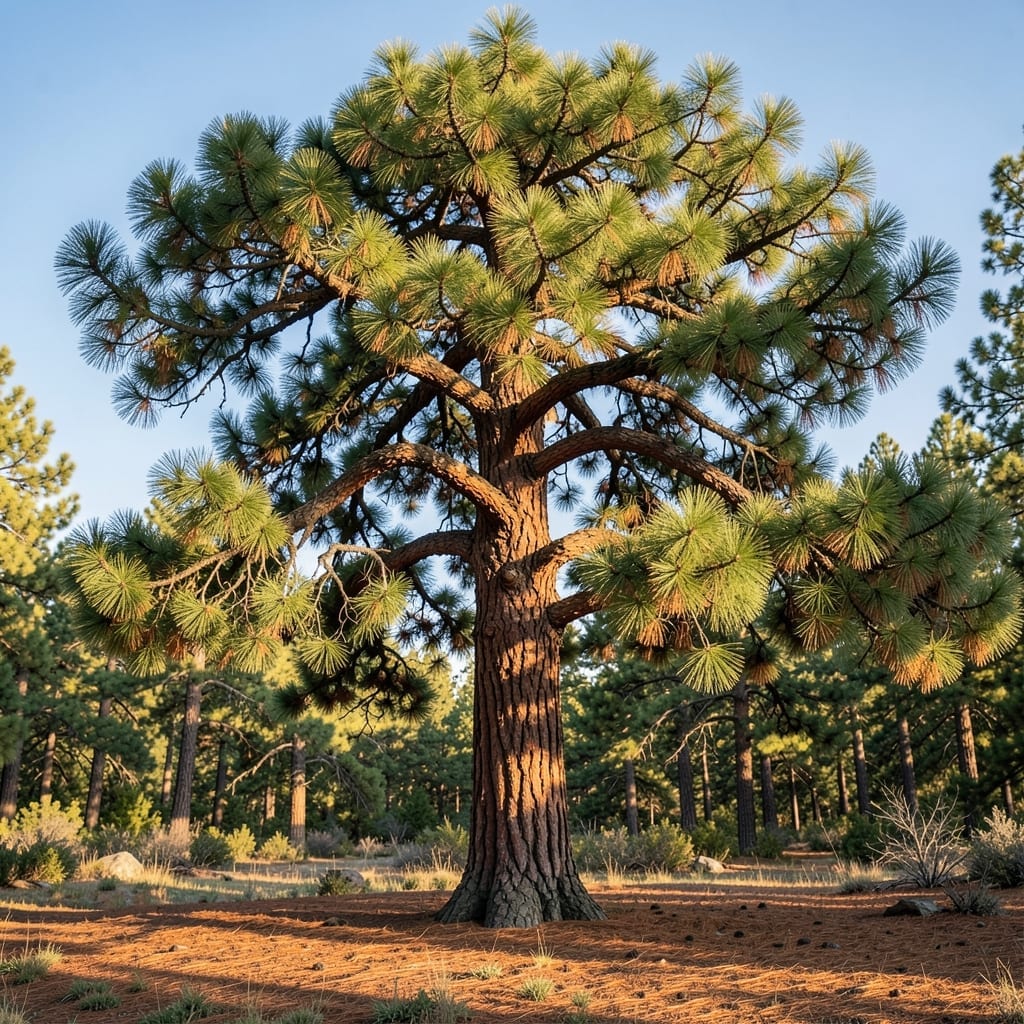
Brown tips on your ponderosa pine needles aren’t just unsightly—they’re a cry for help. I’ve seen this happen to my own trees, and the good news is it’s usually fixable with the right approach.
Most times, it’s either drought stress from dry soil or fungal issues from too much moisture. The needles turn brown at the tips first, then work their way inward if left unchecked. Catching it early makes all the difference.
You can turn this around with consistent watering during dry spells and proper airflow to prevent fungal growth. A 2-3 inch layer of mulch helps retain moisture without suffocating the roots.
With the right care, those pines will bounce back with vibrant green needles. It’s about giving them what they need to thrive, not just survive.
Brown tips on Ponderosa pine needles often signal underlying stress. Identifying the root cause is key to restoring your tree’s health. Here are the most common culprits:
Ponderosa pines thrive in well-drained soil but can suffer when water is scarce. Prolonged drought or inconsistent watering leads to needle desiccation, starting at the tips. The tree’s vascular system struggles to supply water to the farthest reaches of the needles, causing necrosis (tissue death). Deep, infrequent watering (1–2 inches per week) during dry spells can prevent this.
Fungi like Dothistroma or Lophodermium target stressed pines, creating brown bands or spots on needles. These pathogens thrive in wet, humid conditions and spread via spores. Infected needles often show yellowing before browning. Improve airflow, avoid overhead watering, and apply copper-based fungicides at the first sign of infection.
Harsh winters can dehydrate needles when roots can’t absorb water from frozen soil. Cold winds and solar radiation exacerbate the issue, leading to scorched tips. Mulching the base and wrapping young trees in burlap can shield them from extreme conditions.
A lack of magnesium or potassium may cause needle tip browning, often accompanied by yellowing. Conduct a soil test to confirm deficiencies. Amending the soil with Epsom salt (magnesium sulfate) or potassium-rich fertilizers can restore balance.
Herbicides, road salt, or excessive fertilizer can burn needle tips through direct contact or root absorption. Rinse foliage immediately if exposed, and avoid applying chemicals near the tree’s drip line.
Addressing brown tips on ponderosa pine needles starts with identifying the root cause. Here’s how to tackle the most common issues and restore your tree’s health:
If dry soil is the culprit, give your pine a slow, deep watering at the base—aim for 1–2 inches of water per week during dry spells. Water early in the morning to reduce evaporation. Prevention tip: Mulch around the tree (keeping it 3–4 inches away from the trunk) to retain moisture. 💡
For fungal issues like Dothistroma or rust, prune affected branches (sterilize tools with rubbing alcohol!) and apply a copper-based fungicide per label instructions. Improve airflow by thinning dense foliage. Prevention tip: Avoid overhead watering to keep needles dry. ✨
Yellowing with brown tips may signal a magnesium or potassium shortage. Test your soil, then amend with a balanced evergreen fertilizer (e.g., 10-10-10) or Epsom salts for magnesium. Prevention tip: Fertilize in early spring or fall—not in summer heat. 🎯
Brown tips from cold, dry winds? Shield young trees with burlap screens in winter. Apply an anti-desiccant spray in late fall to reduce moisture loss. Prevention tip: Plant pines in sheltered spots if possible. 🌲
Consistency is key—monitor your tree’s response and adjust care as needed!
Brown tips won’t turn green again, but the rest of the needle can stay healthy. Focus on fixing the root cause to prevent further browning. New growth will be green if conditions improve.
Provide 1-2 inches of water per week during dry periods. Use deep watering to encourage strong root growth. Morning watering reduces evaporation.
A baking soda spray may help mild cases, but copper fungicides are more reliable for serious infections. Always remove and destroy infected needles first.
Avoid pruning unless the entire needle is brown. Partial browning doesn’t require removal. Prune only in dry weather to prevent fungal spread.