
Beautiful Plants For Your Interior
Beautiful Plants For Your Interior
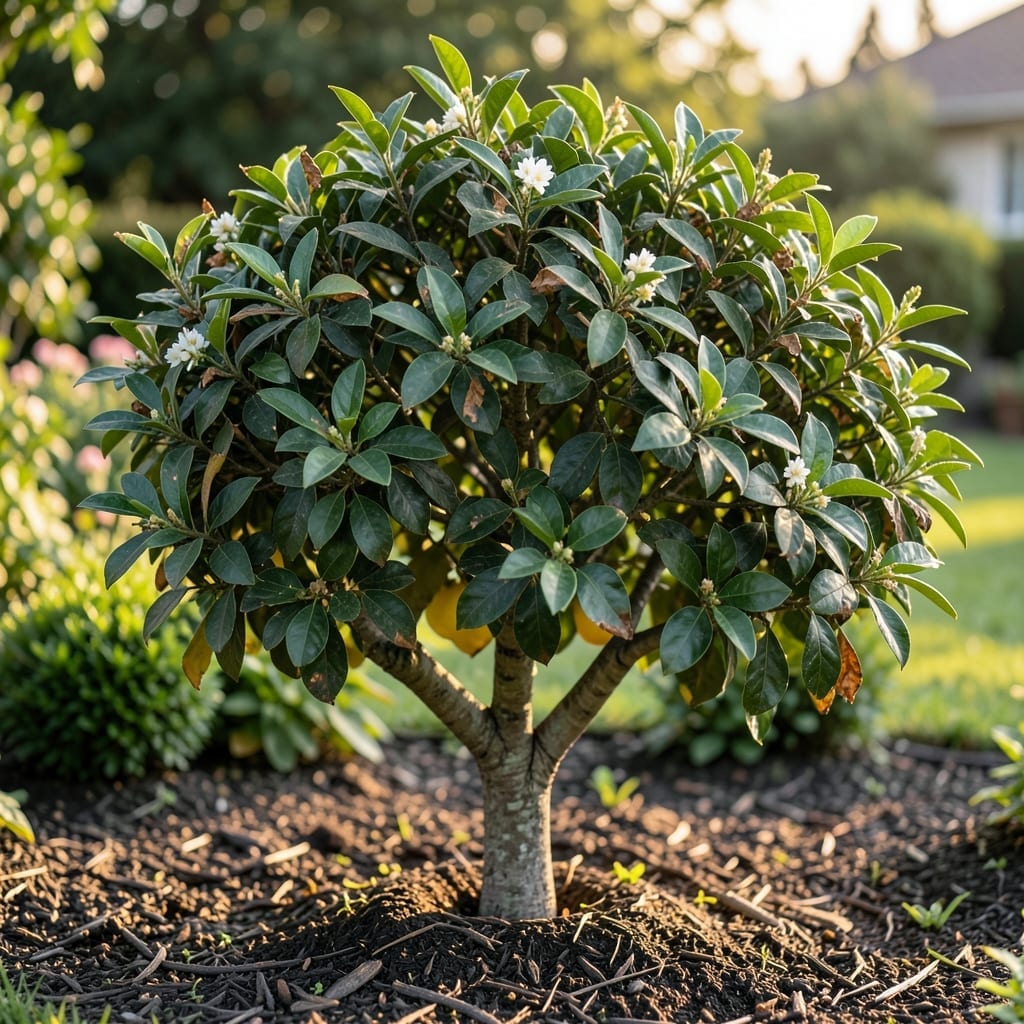
Those brown tips on your mandarin leaves aren’t just unsightly—they’re a distress signal. I’ve seen this exact pattern when water stress or pH imbalance throws a tree off balance.
Most gardeners jump to pests first, but I’ve solved this more often with a soil test and watering schedule tweak than with any spray. The fix usually takes 2-3 weeks to show results once you pinpoint the cause.
You’ll know you’re on the right track when new growth emerges vibrant green and crisp, not curled or yellowing. The tree recovers faster than you’d expect with the right adjustments.
Works for potted trees, backyard specimens, or drought-stressed plants. Let’s diagnose and treat this properly.
Brown tips on mandarin tree leaves are often a sign of stress, and several specific factors can trigger this issue. Below are the most common causes, explained with actionable insights.
A deficiency in magnesium or potassium can lead to brown leaf tips. Mandarin trees thrive in slightly acidic to neutral soil (pH 6.0–7.0). When soil pH drifts too high or low, nutrients like iron and manganese become less available, causing marginal necrosis (brown tips). Test soil pH and amend with lime (to raise pH) or sulfur (to lower pH) as needed.
Both overwatering and underwatering stress the tree. Overwatering suffocates roots, reducing their ability to absorb nutrients, while drought causes tip burn from moisture loss. Ensure consistent moisture—water deeply when the top 1–2 inches of soil are dry, and improve drainage if water pools.
Extreme temperatures, low humidity, or salt buildup (from tap water or fertilizers) can scorch leaf tips. Mandarin trees prefer temperatures between 55–100°F. If growing in pots, use distilled or rainwater to avoid salt toxicity. Shield the tree from cold drafts or intense heat sources.
Infestations like spider mites or fungal infections (e.g., Phytophthora) disrupt nutrient flow, leading to browning. Inspect leaves for webbing, spots, or wilting. Treat with neem oil or copper fungicide if pests or pathogens are present.
Here’s how to tackle each common cause of brown tips on your mandarin tree leaves, with simple, actionable fixes and prevention tips to keep your tree thriving. 🌿
Check the soil moisture by sticking your finger 2 inches deep. If it’s bone dry, water deeply until water drains from the bottom. If it’s soggy, hold off watering and let the top 1-2 inches dry out. For potted trees, ensure the pot has drainage holes. Prevention: Water consistently—about 1-2 times a week for in-ground trees, adjusting for rain. Use a moisture meter if unsure.
Flush the soil with distilled or rainwater to leach out excess salts or chlorine from tap water. Do this every 2-3 months for potted trees. Prevention: Use filtered or rainwater for irrigation, and avoid fertilizers high in salts. If using tap water, let it sit out for 24 hours before use to allow chlorine to evaporate.
Test your soil pH with a kit (ideal range: 6.0–7.0). If it’s too high (alkaline), amend with sulfur or peat moss. If too low (acidic), add lime or wood ash. Prevention: Retest soil every 6 months and adjust as needed. Mandarin trees prefer slightly acidic to neutral soil.
If leaves are exposed to harsh sunlight or dry winds, move potted trees to a shaded area or use shade cloth. For in-ground trees, mulch heavily (2–3 inches of organic mulch) to retain moisture. Prevention: Acclimate young trees gradually to sunlight and protect them during heatwaves.
A lack of magnesium, potassium, or nitrogen can cause browning. Apply a balanced citrus fertilizer (e.g., 8-8-8) every 4–6 weeks during growing season. For quick fixes, use Epsom salts (1 tbsp/gallon of water) for magnesium. Prevention: Feed regularly but avoid over-fertilizing, which can burn roots.
Pro tip: 💡 Always water early in the morning to reduce evaporation and fungal risks. Consistency is key—mandarin trees dislike sudden changes!
Water deeply when the top 1-2 inches of soil are dry, typically 1-2 times per week. Adjust for rain or extreme heat. Consistency matters more than frequency.
Yes, chlorine and salts in tap water can scorch leaf tips. Use distilled or rainwater for potted trees, or let tap water sit 24 hours before use.
Mandarins thrive in slightly acidic to neutral soil, between pH 6.0-7.0. Test soil every 6 months and amend with lime or sulfur as needed.
No, once leaf tips turn brown, they won’t recover. Focus on fixing the root cause to prevent new browning. New growth will show improvement in 2-3 weeks.