
Beautiful Plants For Your Interior
Beautiful Plants For Your Interior
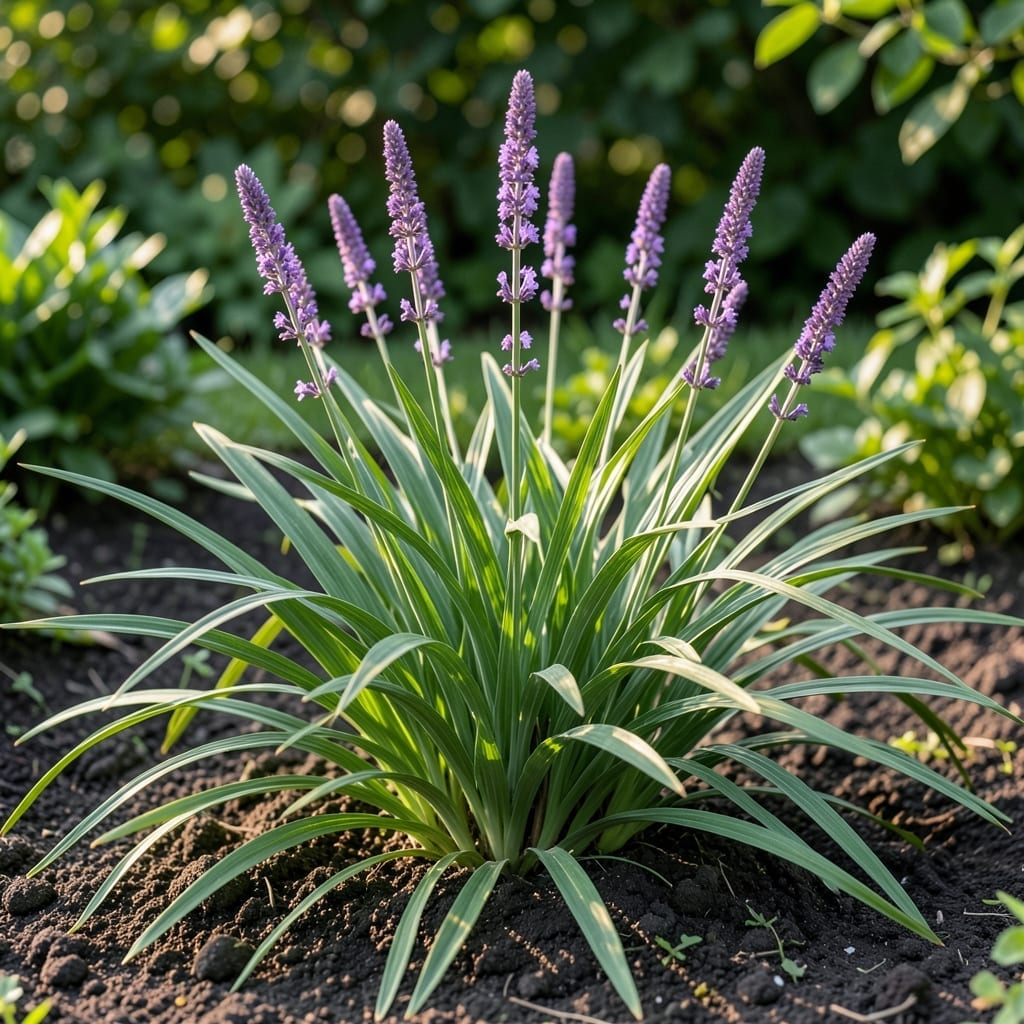
Brown tips on your liriope aren’t just ugly—they’re a distress signal. I’ve spotted this in my own garden after dry spells, and it’s always fixable with the right adjustments.
Most cases trace back to water stress, either too little or too much. Salt buildup from tap water, harsh sun, or even dull pruning tools can also trigger those crispy edges. The good news? Your plants aren’t doomed.
With a few tweaks to watering, soil, or care routine, you’ll see green regrowth within 2-3 weeks. The solution is often simpler than you’d think.
Works for all liriope varieties, whether in borders, ground cover, or containers. Let’s get those blades back to their lush best.
The unsightly brown tips on your liriope are usually a sign of stress, often tied to a few common environmental or care-related factors. Here’s a breakdown of the most frequent causes:
Liriope thrives in consistently moist but well-drained soil. Too little water causes the tips to dry out and brown, while excessive watering can lead to root rot, which also manifests as browning. Check soil moisture 1–2 inches deep—if it’s bone-dry or soggy, adjust your watering schedule.
While liriope tolerates partial sun, intense, direct sunlight (especially in hot climates) can scorch the leaves, leading to brown tips. This is common in variegated varieties, which are more sensitive. Relocate plants to a spot with dappled shade or morning sun only.
Over-fertilizing or using high-salt products (like some weed killers) can cause salt burn, where the tips turn brown as the plant struggles to absorb water. Flush the soil with water to leach out excess salts, and switch to a balanced, slow-release fertilizer.
In cold climates, dry winter winds can pull moisture from liriope leaves faster than the roots can replace it, leading to browning. Apply a 2–3 inch layer of mulch in late fall to retain soil moisture and protect the crown.
Tackling brown tips on liriope starts with identifying the root cause and applying the right fix. Here’s how to revive your plants with simple, actionable steps:
If dry soil is the culprit, water deeply once or twice a week, ensuring the root zone is thoroughly soaked. Prevention tip: Mulch around the base with organic material to retain moisture. 💡 Avoid overhead watering to prevent fungal issues.
Soggy roots lead to rot and brown tips. Fix it by amending heavy soil with compost or sand. For potted liriope, ensure containers have drainage holes. Prevention tip: Water only when the top inch of soil is dry. ✨
Scorched tips often mean excessive sun exposure. Move potted plants to partial shade or use shade cloth for in-ground liriope. Prevention tip: Plant in areas with morning sun and afternoon shade. 🌡️
Tap water chemicals can build up in the soil. Flush the roots with distilled or rainwater monthly. For severe cases, repot with fresh soil. Prevention tip: Use filtered water for sensitive plants. 🎯
Yellowing tips with brown edges may signal a lack of potassium or magnesium. Apply a balanced, slow-release fertilizer in spring. Prevention tip: Test soil annually to adjust nutrients as needed. 🌱
Frost-bitten tips appear blackened or mushy. Trim damaged foliage in early spring, and mulch heavily before winter. Prevention tip: Cover plants with burlap during extreme cold snaps. ❄️
Yes, if left unchecked. Start with small adjustments like improving drainage or reducing sun exposure to stop the spread within 1-2 weeks.
Remove only the damaged portions with clean shears, following the leaf’s natural shape. Avoid cutting into healthy green tissue to prevent further stress.
Water deeply 1-2 times per week, letting the top 1 inch of soil dry between sessions. Adjust based on rainfall and heat.
No, but new growth will replace them. Focus on fixing the underlying issue, and fresh green leaves will emerge in 2-3 weeks.