
Beautiful Plants For Your Interior
Beautiful Plants For Your Interior
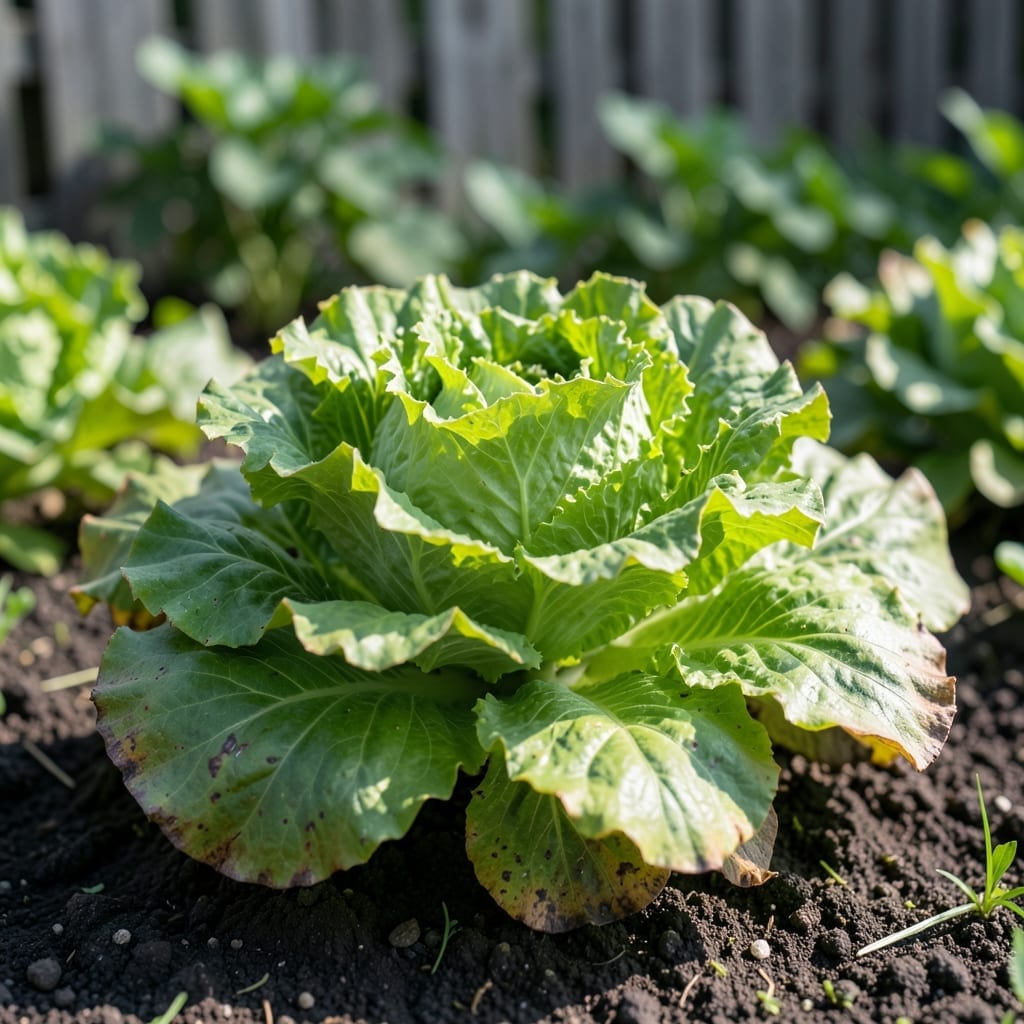
Brown tips on your lettuce mean something’s off, but it’s usually an easy fix. I’ve saved countless heads by catching the problem early and adjusting care.
The most common culprits are inconsistent watering, too much fertilizer, or hot soil. Even a few days of dry roots can turn leaf edges crispy. The good news? Most issues reverse once you correct the conditions.
You’ll notice new growth stays vibrant green within a week of fixing the problem. No fancy equipment needed—just attention to your plants’ basic needs.
Works for all lettuce types, from butterhead to romaine. Here’s how to diagnose and treat each cause.
Brown tips on lettuce leaves are a common frustration for gardeners and home cooks alike. This unsightly issue often stems from a few key environmental or care-related factors. Below are the most frequent causes, explained in clear, actionable terms.
Lettuce is sensitive to moisture fluctuations. Underwatering leads to dry, crispy edges as the plant struggles to transport nutrients to the leaf tips. Conversely, overwatering or poor drainage can cause root stress, which also manifests as browning. Aim for consistent soil moisture—water when the top inch of soil feels dry, and ensure pots have drainage holes.
Lettuce thrives in cool, shaded conditions. When exposed to intense sunlight or temperatures above 75°F (24°C), the delicate leaf tips can scorch, turning brown and brittle. This is especially true for tender varieties like butterhead or romaine. Provide afternoon shade or grow in cooler seasons to prevent heat stress.
A lack of essential nutrients, particularly calcium or potassium, can trigger tip burn. Calcium deficiency disrupts cell wall formation, while potassium supports water regulation. Test your soil and amend with compost or a balanced fertilizer (e.g., 10-10-10) if deficiencies are suspected.
Lettuce prefers moderate humidity (40–60%). Dry air—common in indoor settings or arid climates—accelerates moisture loss from the leaves, leading to brown edges. Mitigate this by misting plants lightly or placing a tray of water near them to increase ambient humidity.
When lettuce plants are spaced too closely, limited airflow traps moisture and encourages fungal growth, which can cause browning. Ensure 6–12 inches of space between plants and prune damaged leaves promptly to improve ventilation.
Here’s how to tackle brown tips on lettuce based on the most common causes, with easy fixes and prevention tips to keep your greens crisp and fresh.
Lettuce needs consistent moisture. If the soil dries out, the leaf edges turn brown. Water deeply at the base of the plant (not the leaves) every 2–3 days, or daily in hot weather. Use a moisture meter or stick your finger an inch into the soil—if it’s dry, it’s time to water.
Prevention: Mulch around plants to retain moisture, and water early in the morning to reduce evaporation.
Lettuce prefers cooler temperatures. If it’s wilting or browning from heat stress, provide shade with a row cover or move potted lettuce to a cooler spot. Water more frequently during heatwaves.
Prevention: Plant lettuce in partial shade, especially in warmer climates, and choose heat-tolerant varieties like romaine or butterhead.
Brown tips can signal salt burn from over-fertilizing or tap water high in minerals. Flush the soil with distilled or rainwater to remove excess salts. Reduce fertilizer use and switch to a balanced, water-soluble option.
Prevention: Test your soil before fertilizing, and always follow package instructions for application rates.
Lettuce needs nitrogen-rich, well-draining soil. If the soil is compacted or nutrient-poor, amend it with compost or a slow-release organic fertilizer. For container gardening, use a high-quality potting mix.
Prevention: Rotate crops annually and add compost to the soil before planting to maintain fertility.
If brown tips are accompanied by spots or wilting, a fungal or bacterial infection may be to blame. Remove affected leaves immediately and avoid overhead watering. Apply a copper-based fungicide if the problem persists.
Prevention: Space plants properly for airflow, and water at the base to keep foliage dry.
Yes, if caused by fungal issues or poor airflow. Remove affected leaves immediately and improve ventilation. Healthy leaves typically stay unaffected if you correct the problem quickly.
Generally yes, if the browning is from environmental stress. Trim off the discolored parts. Avoid eating if tips are slimy or have an off smell, which may indicate spoilage.
With proper care, new leaves appear vibrant green within 5-7 days. Older brown tips won’t heal but fresh growth will be healthy if conditions are corrected.
Small pots dry out faster and restrict roots. Use containers at least 6-8 inches deep with drainage holes to prevent water stress.