
Beautiful Plants For Your Interior
Beautiful Plants For Your Interior
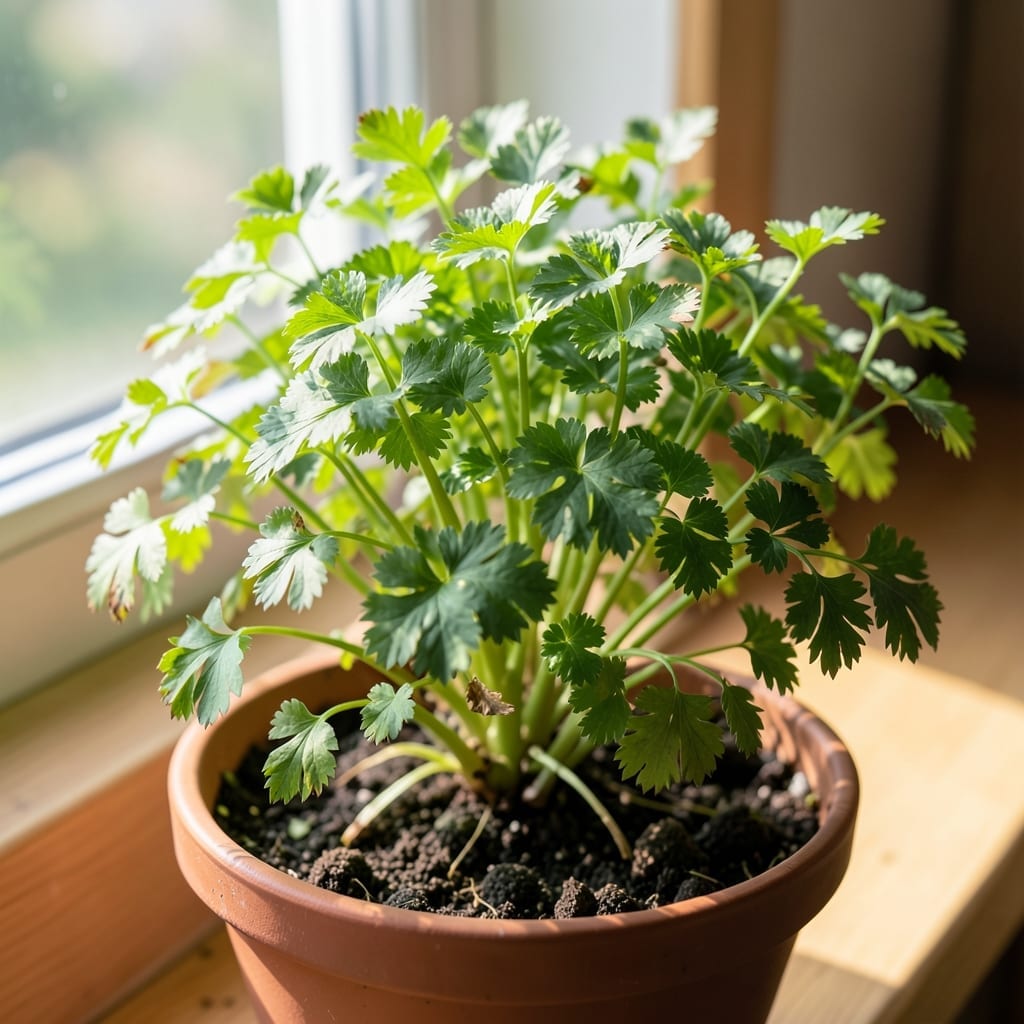
Brown tips on coriander leaves always feel like a personal betrayal. I’ve lost count of how many batches I’ve salvaged by catching the early signs—dry edges, yellowing halos, that crispy texture no herb lover wants to see.
The usual suspects are underwatering, harsh sunlight, or soil that’s too dry. Sometimes it’s just the plant’s way of saying it’s had enough of your kitchen’s low humidity. The good news? Most cases are fixable with a few simple adjustments.
You can revive wilting coriander in 3-5 days with consistent moisture and shade. Trim the damaged tips to redirect energy to healthy growth. Prevention is easier than cure, but recovery is absolutely possible.
Works for pot-grown or garden coriander. Here’s how to nurse it back to its fragrant best.
Brown tips on coriander leaves are a clear sign your plant is stressed. Here are the most common causes, explained with simple science and actionable fixes.
Coriander roots need consistent moisture to absorb nutrients. Underwatering causes the leaf edges to dry out and brown, as cells die from lack of hydration. Overwatering suffocates roots, blocking oxygen uptake and leading to root rot—where damaged roots fail to deliver water and nutrients to the leaves. Check soil moisture 1 inch deep; water only when dry.
Coriander thrives in cool to moderate temperatures (50–85°F). Exposure to intense sunlight or heat above 90°F triggers transpiration overload, where leaves lose water faster than roots can replace it, causing tip burn. Conversely, cold drafts below 40°F slow metabolic processes, leading to tissue death at the edges. Provide afternoon shade in hot climates and protect from frost.
A lack of potassium or magnesium often shows as brown leaf tips, as these nutrients regulate water movement and enzyme function in cells. Conversely, excess fertilizer (especially nitrogen-heavy blends) causes salt buildup in the soil, drawing water out of roots and scorching leaf margins. Use a balanced, diluted fertilizer and flush soil with water every 4–6 weeks.
Coriander is native to regions with moderate humidity. In dry indoor environments, low humidity (below 40%) increases water loss through leaf surfaces. Without enough moisture in the air, the leaf tips desiccate and turn brown. Mist leaves lightly or use a humidity tray to maintain 50–60% humidity.
Reviving your coriander starts with pinpointing the issue and applying the right fix. Below are practical solutions mapped to the most common causes, plus prevention tips to keep your herbs thriving.
Fix: Check the soil moisture by inserting your finger 1 inch deep. If it’s dry, water thoroughly until it drains from the bottom. If soggy, let the soil dry out before watering again. Use pots with drainage holes to avoid root rot.
Prevention: Water when the top inch of soil feels dry. A moisture meter can help take the guesswork out. 🌱
Fix: Move potted coriander to a spot with bright, indirect light (e.g., east-facing window). If outdoors, provide afternoon shade with a cloth or relocate to a shadier area.
Prevention: Coriander prefers temperatures between 50–85°F (10–29°C). In hot climates, grow it in partial shade or indoors near a sunny window. 🌡️
Fix: Repot the plant in well-draining, loamy soil mixed with compost. If the soil is nutrient-poor, use a balanced liquid fertilizer (10-10-10) diluted to half strength every 4–6 weeks.
Prevention: Start with rich, organic soil and refresh it every growing season. Avoid over-fertilizing, as coriander prefers moderate nutrition. ✨
Fix: Increase humidity by misting the leaves lightly with water or placing a tray of water with pebbles near the plant. Grouping plants together can also help.
Prevention: Keep coriander in a humid environment, especially indoors. A small humidifier nearby can work wonders. 💧
Fix: Inspect leaves for aphids, spider mites, or whiteflies. Spray with a mix of water and mild soap (1 tsp per quart) or neem oil to deter pests. Remove heavily infested leaves.
Prevention: Regularly check the undersides of leaves and keep the growing area clean. Companion planting with marigolds can repel pests naturally. 🎯
Yes! Use clean scissors to snip only the damaged parts, leaving healthy growth intact. This redirects energy to new leaves.
Check soil 1 inch deep—water when dry. Typically every 2-3 days in warm weather, less in cooler conditions. Avoid soggy soil.
Brown tips usually signal environmental stress, not disease. If spots spread or leaves yellow, investigate pests or root rot.
Shade reduces stress within 24-48 hours. Combine with consistent watering for best recovery results.