
Beautiful Plants For Your Interior
Beautiful Plants For Your Interior
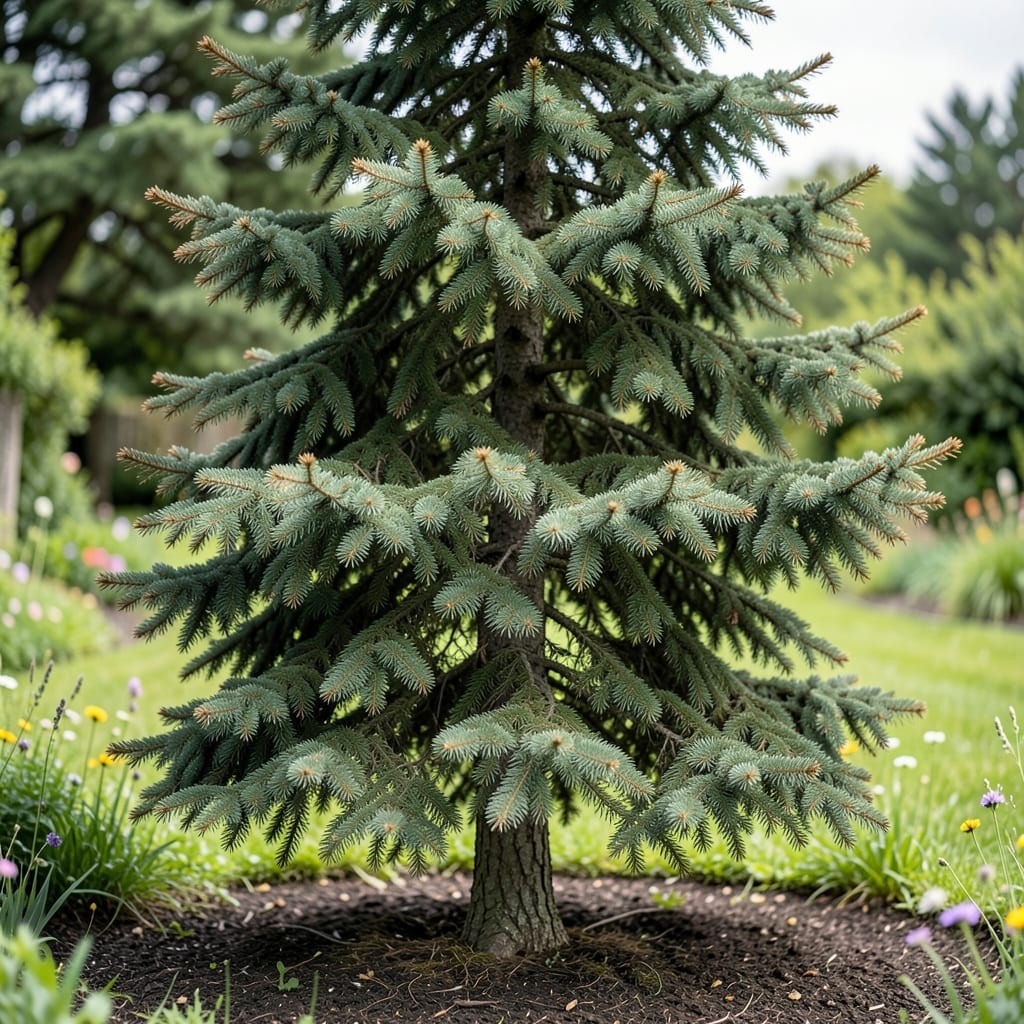
Those brown tips on your conifers aren’t just unsightly—they’re a cry for help. I’ve seen this with my own pines when I ignored the early signs, and the fix is often simpler than you think.
Most cases come down to drought stress, nutrient shortages, or pest damage. The good news? You can usually reverse it with a few adjustments to watering, soil, or care routines.
Once you pinpoint the cause, solutions like deep watering, balanced fertilizers, or targeted pest control can restore that vibrant green in weeks, not months.
Early action saves the whole plant. Here’s how to diagnose and fix it fast.
Brown tips on conifers often signal stress from environmental or cultural factors. Here’s a breakdown of the most common causes, explained scientifically and with actionable insights.
Conifers lose moisture through their needles year-round, but frozen soil in winter prevents roots from replenishing water. This leads to desiccation, where needle tips turn brown from dehydration. Evergreens like pines and spruces are especially vulnerable in exposed, windy sites.
Too much water suffocates roots, reducing oxygen uptake and promoting fungal infections like Phytophthora. This causes root rot, which manifests as browning tips due to impaired nutrient transport. Ensure soil drains well—conifers prefer moist but not soggy conditions.
A lack of magnesium (yellowing between needles) or iron (browning tips with green bases) disrupts chlorophyll production. Sandy or alkaline soils often lack these micronutrients. A soil test can confirm deficiencies, guiding targeted fertilizer applications.
Sap-sucking pests like spider mites or aphids weaken conifers by extracting fluids, leading to tip dieback. Check for webbing or sticky residue on needles. Treat with horticultural oil or insecticidal soap for early infestations.
Road salt or herbicide drift can cause necrotic browning at needle tips. Salt disrupts cellular function, while chemicals may burn foliage. Rinse affected trees with water to dilute residues, and avoid planting near treated areas.
Identifying the root cause is key to reviving your conifer’s health. Observe patterns—widespread browning suggests environmental stress, while localized damage may point to pests or disease.
Brown tips on conifers can be alarming, but many causes are fixable with the right approach. Below are targeted solutions for the most common issues, along with preventive measures to keep your conifers thriving.
Fix: Check soil moisture by sticking your finger 2 inches deep. If dry, water deeply until the soil is moist but not soggy. If waterlogged, improve drainage by amending the soil with sand or compost or relocating the plant to a better-draining spot. Use a moisture meter for precision.
Prevent: Mulch around the base to retain moisture evenly. Water early in the morning to allow excess moisture to evaporate.
Fix: Test soil pH (conifers prefer slightly acidic soil, 6.0–6.5). Apply a balanced, slow-release fertilizer (10-10-10) or a conifer-specific formula rich in magnesium or iron if leaves show yellowing with brown tips. For severe cases, use chelated iron or Epsom salts (1 tablespoon per gallon of water) as a foliar spray.
Prevent: Fertilize in early spring and late fall. Avoid over-fertilizing, which can burn roots.
Fix: Shield conifers from harsh afternoon sun or drying winds using shade cloth or windbreaks. If winter burn is the culprit, wrap young trees in burlap and keep the root zone mulched to insulate against temperature swings.
Prevent: Plant conifers in locations matching their hardiness zone. Group them together to create a microclimate that retains humidity.
Fix: Inspect for spider mites, aphids, or fungal infections. Blast pests off with water or apply neem oil or insecticidal soap. For fungal issues (like needle blight), prune affected branches and apply a copper-based fungicide.
Prevent: Maintain good air circulation by spacing plants properly. Avoid overhead watering to reduce fungal spores.
💡 Pro Tip: Always sterilize pruning tools with rubbing alcohol between cuts to prevent disease spread. Regularly monitor your conifers for early signs of stress to act quickly!
Once needle tips brown, they won’t regreen. However, new growth will be healthy if you address the underlying cause like drought or nutrient imbalance. Prune dead tips to encourage fresh growth.
Water deeply once a week during dry spells, ensuring 2 inches of moisture in the soil. Young trees need more frequent watering than established ones. Always check soil moisture first.
No, they often indicate stress like winter burn or salt damage. Only if accompanied by spots, webbing, or excessive needle drop should you suspect pests or disease.