
Beautiful Plants For Your Interior
Beautiful Plants For Your Interior
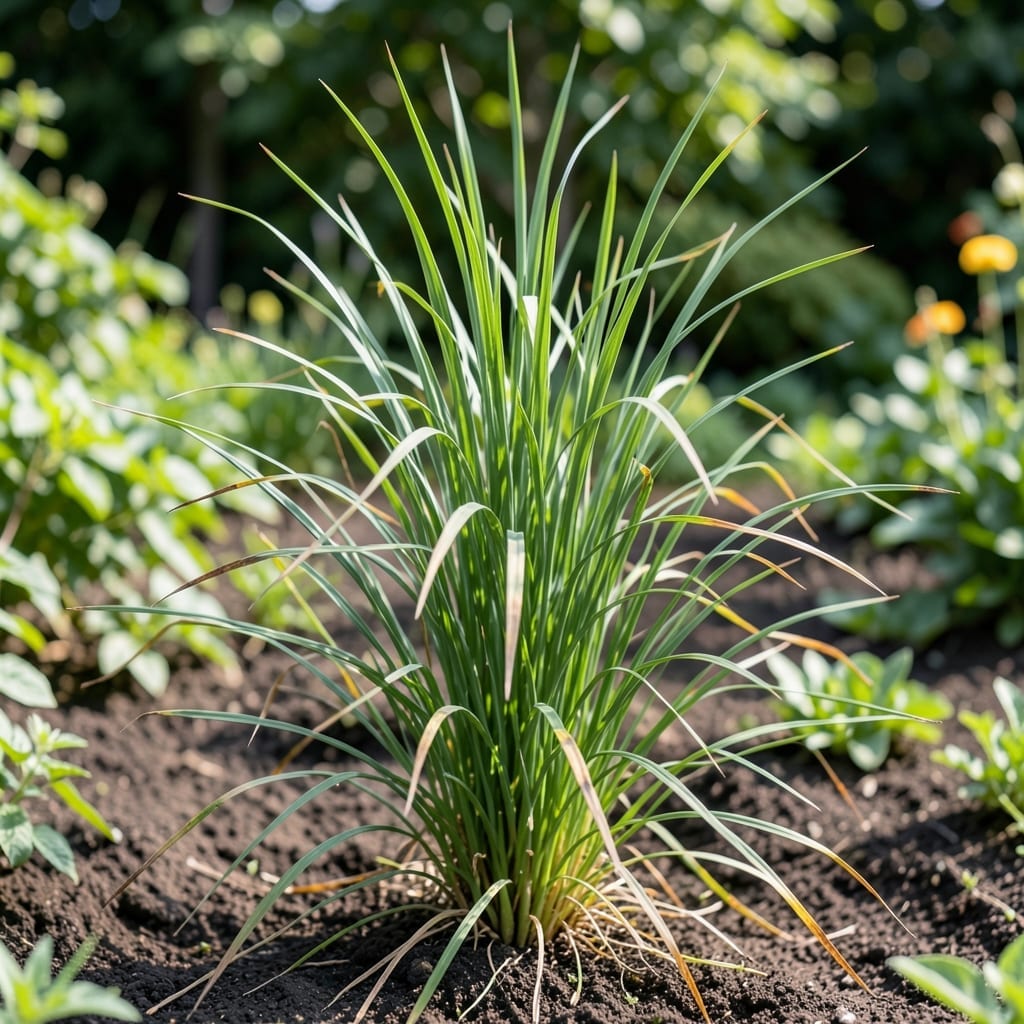
Those crispy brown tips on your citronella aren’t just unsightly—they’re a distress signal. I’ve seen this happen too many times: well-meaning gardeners either drown their plants or leave them parched, and the leaves pay the price first.
Here’s the thing—citronella thrives on consistency. Too much water suffocates the roots, while too little leaves them gasping. The solution often starts with checking the soil 2 inches down—dry means it’s thirsty, soggy means back off.
Once you nail the watering, you’ll notice new growth replacing those brown edges within 2-3 weeks. The plant bounces back fast when its roots can breathe and drink at the same time.
Prevention is simpler than cure: a pot with drainage holes, a regular but not religious watering schedule, and a watchful eye for early warning signs.
Brown tips on your citronella plant are a sign of stress, and several factors can trigger this issue. Here’s why it happens:
Citronella plants thrive in consistently moist but well-drained soil. Too little water causes the leaf tips to dry out and turn brown due to cellular dehydration. Conversely, overwatering suffocates the roots, leading to root rot, which disrupts nutrient uptake and manifests as browning tips. The plant’s vascular system struggles to transport water and minerals efficiently in both scenarios.
As a tropical plant, citronella prefers humidity levels between 40-60%. Dry air (common in indoor settings or arid climates) accelerates moisture loss through the leaves—a process called transpiration. Without adequate humidity, the edges and tips of the leaves desiccate first, turning crispy and brown.
Tap water high in chlorine, fluoride, or dissolved salts can cause tip burn. These chemicals accumulate in the soil over time, increasing its salinity. The plant’s roots absorb the harmful compounds, leading to osmotic stress, where the roots cannot take up water properly. This results in brown, scorched tips.
A deficiency in magnesium or potassium often shows up as brown leaf tips. These nutrients are vital for photosynthesis and enzyme activation. Without them, the plant’s metabolic processes slow down, and the oldest leaves (including tips) are the first to suffer. Conversely, over-fertilization can cause salt buildup in the soil, mimicking the effects of poor water quality.
Reviving your citronella plant starts with addressing the root causes of brown tips. Below are targeted solutions for each common issue, paired with prevention tips to keep your plant thriving.
Fix: Let the soil dry out between waterings. Repot the plant in a container with drainage holes if it’s sitting in soggy soil. Use a well-draining potting mix, such as one with perlite or sand.
Prevention: Water only when the top inch of soil feels dry. Empty saucers under pots after watering to avoid root rot.
Fix: Give the plant a deep watering until water drains from the bottom. Mist the leaves occasionally or place a tray of water with pebbles nearby to boost humidity.
Prevention: Check soil moisture regularly, especially in hot weather. Group plants together to create a microclimate with higher humidity.
Fix: Apply a balanced, water-soluble fertilizer (10-10-10 or 20-20-20) every 4-6 weeks during the growing season. Flush the soil with water to remove excess salts if over-fertilization is suspected.
Prevention: Feed lightly and avoid fertilizing in winter when growth slows. Use organic compost for a slow-release nutrient boost.
Fix: Move the plant to a spot with bright, indirect light or partial shade, especially during peak afternoon hours.
Prevention: Acclimate the plant gradually to sunlight if it’s been indoors. Use sheer curtains to diffuse harsh light.
Fix: Keep the plant in a stable environment, away from air conditioners, heaters, or cold drafts. Ideal temperatures are between 55–75°F (13–24°C).
Prevention: Avoid placing citronella near frequently opened doors or windows. If outdoors, bring it inside before temperatures drop below 50°F (10°C).
With these adjustments, your citronella should bounce back, flaunting healthy, green foliage once again! 🌿
Water when the top 1-2 inches of soil feel dry. Typically, this means every 2-3 days in hot weather and once a week in cooler conditions. Always check soil moisture first.
Tap water is fine if left out for 24 hours to allow chlorine to evaporate. For best results, use filtered or rainwater to avoid chemical buildup that can cause tip burn.
Yes! Use clean scissors to trim only the brown portions, following the leaf’s natural shape. This prevents further stress and encourages healthy new growth.
If brown tips appear with yellowing, it may be sunburned. Move it to bright, indirect light or provide afternoon shade, especially in intense summer heat.