
Beautiful Plants For Your Interior
Beautiful Plants For Your Interior
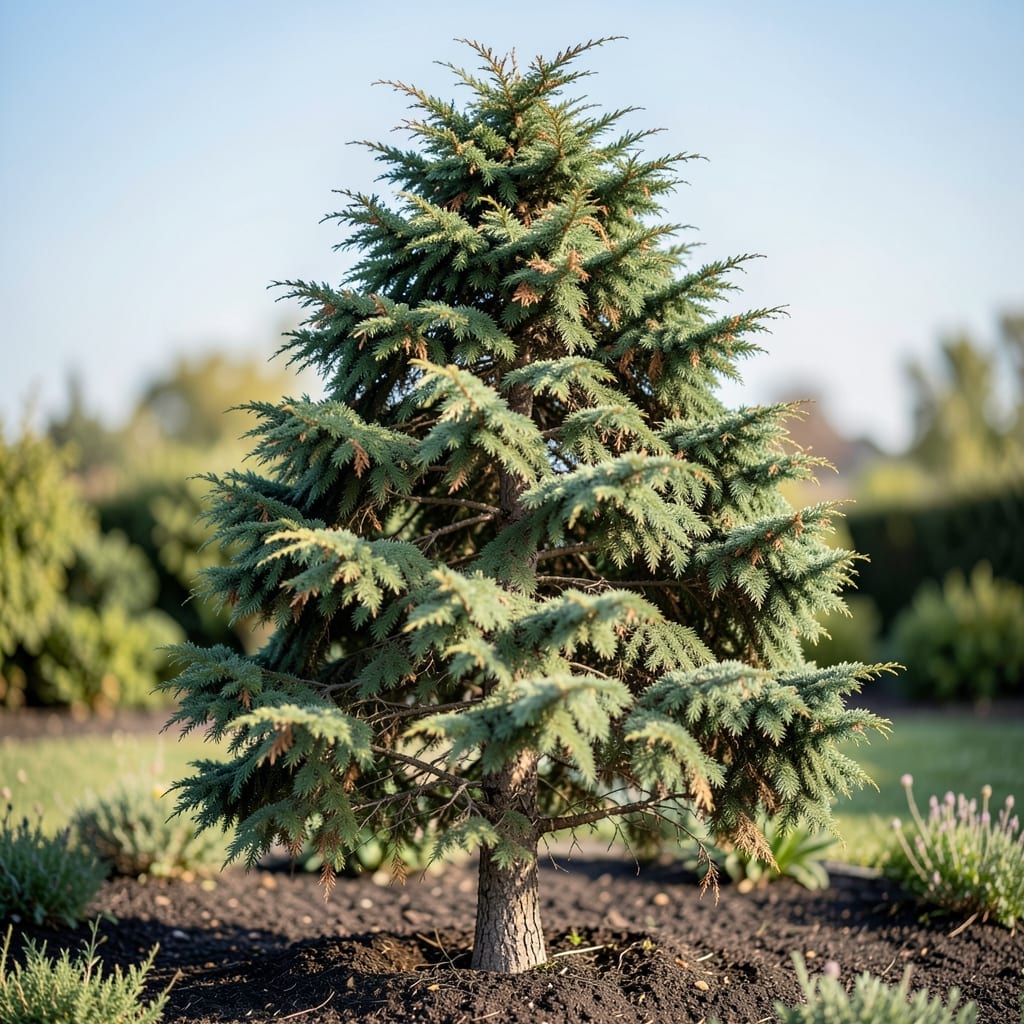
Those brown tips on your cedar aren’t just ugly—they’re a warning sign. I’ve seen this exact issue turn a healthy tree into a struggling one in a single season if ignored.
Most people assume it’s disease, but the real culprits are usually simpler: water stress, salt damage, or winter burn. Catching it early means the difference between saving your tree or watching it decline.
The good news? Cedar trees are tough. With the right adjustments to watering, soil, or protection, you’ll see new growth pushing out within weeks, not months.
This works for young and established trees alike. The key is acting before the brown spreads to the needles.
Brown tips on cedar trees are often a sign of stress, and several factors can trigger this unsightly issue. Understanding the root causes helps you address the problem effectively.
Cedars require consistent moisture, especially during dry spells. Shallow watering or prolonged drought can lead to root dehydration, causing the tips to turn brown. Overwatering, however, can suffocate roots and create similar symptoms. Aim for deep, infrequent watering to encourage strong root growth.
Cedars are hardy, but sudden temperature swings—especially late frost or winter burn—can damage foliage. In cold climates, winter desiccation (moisture loss from frozen roots) often causes browning. Protect young trees with burlap wraps or anti-desiccant sprays before winter sets in.
Fungi like Phomopsis or Kabatina thrive in wet conditions and attack cedar needles, leading to browning. Poor air circulation or overhead watering exacerbates the issue. Prune infected branches and apply fungicide as a preventative measure, especially in humid climates.
Compacted or poorly draining soil restricts root oxygen, while nutrient imbalances (e.g., low iron or magnesium) can manifest as brown tips. Test your soil and amend it with organic matter or slow-release fertilizers tailored to cedars’ needs.
Sap-sucking pests like spider mites or cedar bark beetles weaken trees, causing foliage to brown. Inspect branches for tiny webs, holes, or sawdust-like frass. Treat infestations with horticultural oil or insecticidal soap early to prevent lasting damage.
Addressing brown tips on cedar trees starts with identifying the root cause and applying targeted fixes. Here’s how to tackle the most common issues:
If soggy soil or standing water is the culprit, reduce watering frequency and improve drainage. Dig small trenches around the base to redirect excess water, or amend the soil with sand or compost to enhance aeration. Prevention tip: 💡 Water only when the top 1-2 inches of soil feel dry.
For underwatered cedars, give the tree a slow, deep soak at the root zone (1-2 inches of water per week). Use a soaker hose or drip irrigation to ensure moisture reaches deeper roots. Prevention tip: 🌱 Mulch around the base with 2-3 inches of organic material to retain moisture.
Yellowing tips often signal a lack of nitrogen or iron. Apply a balanced, slow-release fertilizer (10-10-10) in early spring, or use iron chelates for iron deficiency. Prevention tip: ✨ Test soil pH (cedars prefer 6.0–7.0) and adjust with lime or sulfur if needed.
For spider mites or fungal issues, spray with horticultural oil or neem oil (follow label instructions). Remove heavily infested or diseased branches with sterilized pruners. Prevention tip: 🎯 Space trees properly for airflow and avoid overhead watering.
Brown tips from cold damage can be trimmed in spring, but water deeply in late fall to help roots store moisture. Wrap young cedars in burlap or use anti-desiccant sprays in harsh winters. Prevention tip: 🌲 Plant cedars in sheltered spots to reduce wind exposure.
Check the soil 2 inches down. If bone dry, it’s underwatering. If soggy or smelly, you’re overdoing it. Cedars prefer moist but well-draining conditions.
No, once tips brown they won’t recover. Trim them in early spring to encourage new growth. Focus on fixing the underlying issue to prevent further damage.
Avoid high-nitrogen lawn fertilizers. Use a slow-release 10-10-10 or evergreen-specific formula. Apply in early spring before new growth starts.
Usually temporary. Protect trees with burlap wraps and water deeply before freeze. New growth should appear by mid-spring if roots stayed healthy.