
Beautiful Plants For Your Interior
Beautiful Plants For Your Interior
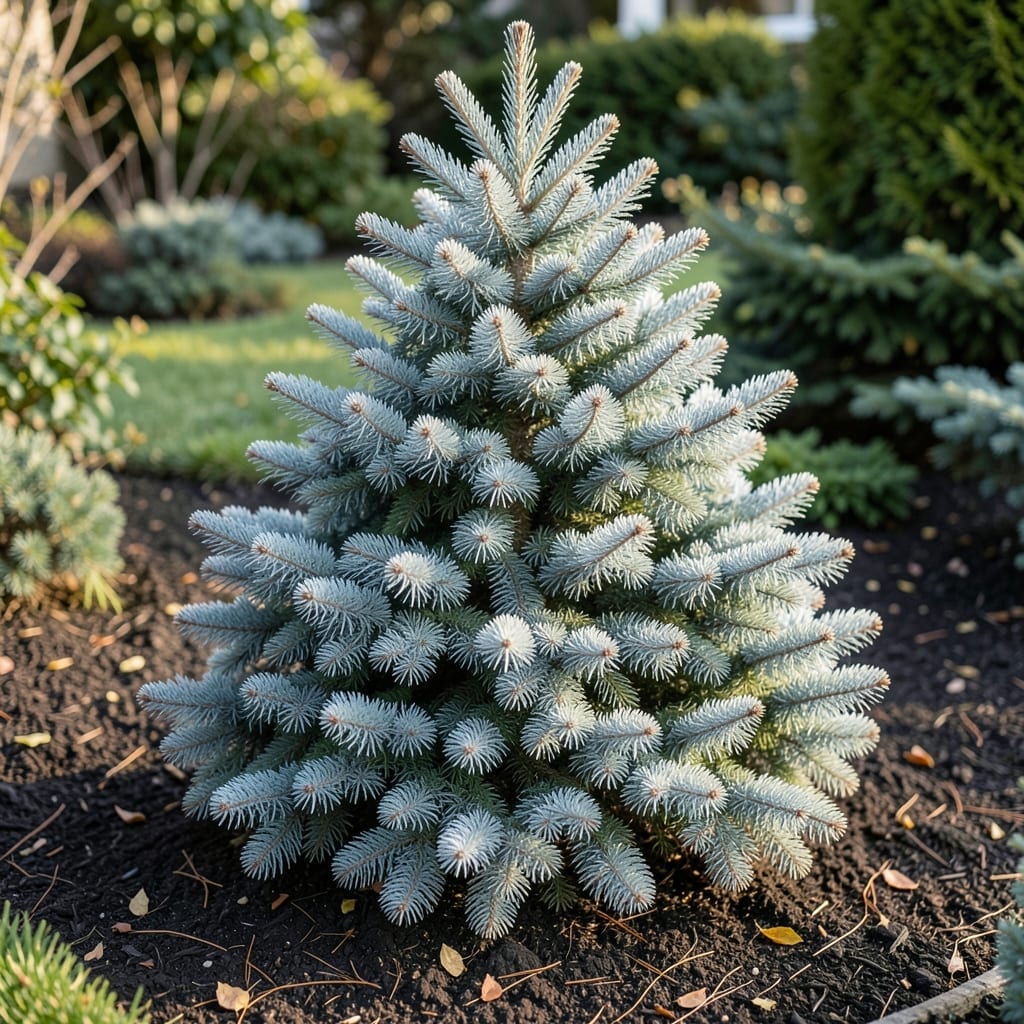
Those brown tips on your blue spruce hit different. I’ve watched my own tree go from vibrant to crispy in a single season, and the fix starts with understanding what’s actually stressing it.
Winter burn, drought, or even overwatering can turn those needles brown faster than you’d expect. The good news? Most cases are reversible with the right adjustments to watering, mulching, and protection from harsh conditions.
You’ll see new growth return in 4-8 weeks once the stress is addressed. The key is acting fast—before the damage spreads to the inner branches.
Works for young and mature trees alike, and the solutions are simpler than you’d think. Here’s how to nurse it back to health.
Brown tips on blue spruce often signal an underlying issue that disrupts the tree’s health. Here are the most common causes, explained with actionable insights:
Extreme cold, especially in late winter, can desiccate needles when the ground is frozen and roots can’t absorb water. This is called winter burn. The evergreen continues to lose moisture through its needles (transpiration), but without replenishment, the tips turn brown. Young or exposed trees are most vulnerable.
Both underwatering and overwatering can lead to browning. Drought conditions prevent the tree from absorbing enough water, while waterlogged soil suffocates roots, reducing their ability to uptake nutrients. Compacted or poorly draining soil exacerbates the problem.
Pathogens like Rhizosphaera or Stigmina cause needle cast, a fungal disease that starts at the needle tips and works inward. These fungi thrive in wet, humid conditions and often appear as purple or brown banding on needles before they die. Poor air circulation increases susceptibility.
Road salt or saline soil can lead to salt toxicity, where excess sodium disrupts the tree’s ability to absorb water and nutrients. This often manifests as browning on the side of the tree facing the road or in low-lying areas where salt accumulates.
Spruce spider mites or Ips beetles feed on the tree’s sap, weakening it and causing needle discoloration. Mites are tiny and thrive in hot, dry conditions, while beetles often target stressed or drought-weakened trees. Look for webbing (mites) or small exit holes (beetles) as clues.
If your blue spruce is showing brown tips, don’t panic! Here’s how to nurse it back to health, depending on the cause:
Fix: Let the soil dry out between waterings. If the area is waterlogged, improve drainage by amending the soil with compost or sand. For potted spruces, ensure the container has drainage holes.
Prevention: Water deeply but infrequently—about 1-2 times per week in dry spells. Use a moisture meter to check soil dampness before watering. 💡
Fix: Give your spruce a thorough soak, focusing on the root zone. Mulch around the base with 2-3 inches of organic material (like wood chips) to retain moisture.
Prevention: Stick to a consistent watering schedule, especially during hot, dry weather. Young trees need more frequent watering than established ones. 🌡️
Fix: Prune and remove affected branches to prevent spread. Apply a copper-based fungicide according to the product’s instructions, especially in early spring or fall.
Prevention: Improve air circulation by spacing plants properly and avoiding overhead watering. Clean up fallen debris around the tree to reduce fungal spores. ✨
Fix: Blast pests off with a strong stream of water or apply insecticidal soap or neem oil. For severe infestations, use a horticultural oil spray.
Prevention: Inspect your spruce regularly for early signs of pests. Keep the tree healthy with proper watering and fertilization to deter infestations. 🎯
Fix: Shield the tree from harsh conditions with a burlap screen or windbreak. If salt spray from roads is the issue, flush the soil with water to leach out excess salts.
Prevention: Plant blue spruces in sheltered locations when possible. In winter, wrap young trees in burlap to protect them from salt and cold winds. ❄️
Fix: Test your soil to identify missing nutrients. Amend with a balanced, slow-release fertilizer (10-10-10) or organic options like compost. Iron or magnesium supplements may be needed for specific deficiencies.
Prevention: Fertilize once a year in early spring, and avoid over-fertilizing, which can harm the tree. 🌿
Healthy trees typically show new growth within 4-8 weeks after addressing the stress. Recovery time depends on the severity of damage and how quickly the underlying issue is resolved.
Yes, waterlogged soil suffocates roots, preventing nutrient uptake. This often leads to browning, especially in poorly draining areas. Let soil dry between waterings to prevent this.
No, winter burn is usually temporary. Once warm weather returns and the tree can absorb water again, new growth will replace damaged needles. Shield young trees with burlap in harsh winters.
Improve air circulation by spacing plants properly and avoiding overhead watering. Remove fallen debris to reduce fungal spores. Apply fungicide in early spring if needed.