
Beautiful Plants For Your Interior
Beautiful Plants For Your Interior
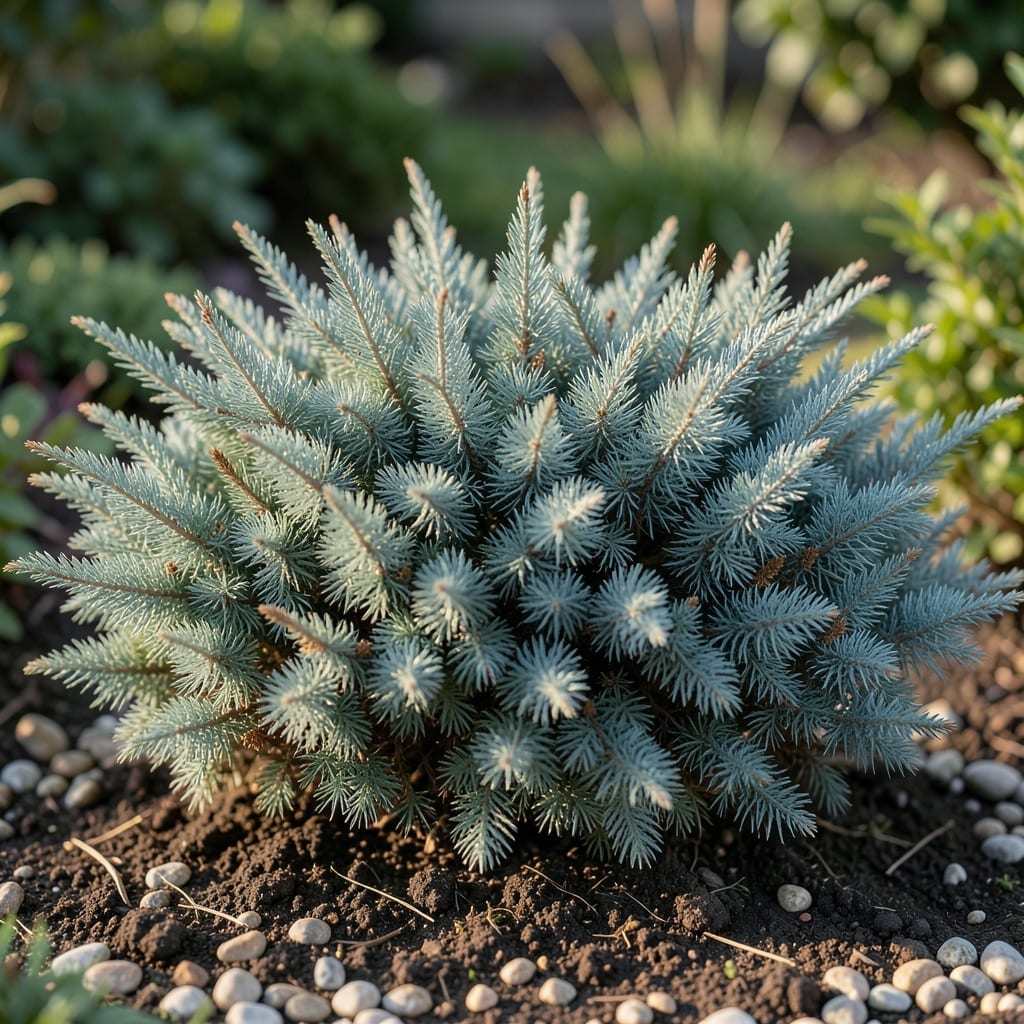
Those brown tips on your blue rug juniper aren’t just unsightly—they’re a distress signal. I’ve seen this happen in my own garden after a dry spell or when the soil got too compacted for roots to breathe.
The good news is it’s usually fixable. Most cases come down to 3 common problems: underwatering, poor drainage, or winter damage. Catch it early and your juniper can bounce back with its signature silver-blue color.
You’ll know you’re on the right track when new growth emerges in that vibrant blue-green hue. The key is adjusting your care routine before the brown spreads to the whole plant.
Works for established plants and new plantings alike. Here’s how to diagnose and treat it properly.
Brown tips on Blue Rug Juniper often signal stress or environmental imbalances. Here are the most common causes, explained with actionable insights:
Junipers, including Juniperus horizontalis ‘Blue Rug’, thrive in consistent conditions. Sudden temperature drops below 10°F (-12°C) or heat spikes above 90°F (32°C) can scorch foliage, especially in exposed or container-grown plants. Winter burn is common when cold winds desiccate evergreen needles faster than roots can absorb water from frozen soil.
Overwatering leads to root rot, cutting off oxygen and nutrient uptake, while drought causes needle dehydration. Blue Rug Juniper prefers well-draining soil and tolerates dry spells once established—but prolonged soggy soil (especially in clay) suffocates roots, manifesting as brown, crispy tips. Conversely, shallow watering encourages weak root systems prone to stress.
Pathogens like Phomopsis or Kabatina blight thrive in humid, poorly ventilated conditions. These fungi infect stressed plants, turning needle tips brown or gray. Overhead watering and crowded plantings exacerbate spread. Look for black fruiting bodies on affected tissue to confirm fungal activity.
Blue Rug Juniper prefers slightly acidic to neutral soil (pH 6.0–7.5). Alkaline soils (pH > 8.0) can lock out iron, causing interveinal chlorosis (yellowing) followed by browning. Nutrient deficiencies—particularly nitrogen or magnesium—may also trigger tip dieback, though junipers are generally low-maintenance feeders.
Test soil if browning persists alongside stunted growth or discoloration.
Brown tips on your blue rug juniper can be frustrating, but with the right approach, you can restore its vibrant color and health. Below are targeted solutions for the most common causes, along with prevention tips to keep your plant thriving.
If dry soil is the culprit, give your juniper a deep watering to rehydrate the roots. Water slowly and thoroughly, ensuring the moisture reaches at least 6–8 inches deep. Use a moisture meter or check the soil with your finger—if the top 2–3 inches are dry, it’s time to water. Prevention tip: 💡 Apply a 2–3 inch layer of mulch around the base to retain moisture and reduce evaporation.
Soggy roots lead to brown tips and root rot. If the soil feels waterlogged, stop watering immediately and let it dry out. For poor drainage, amend the soil with sand or perlite, or consider transplanting to a raised bed or container with drainage holes. Prevention tip: 🌱 Always use well-draining soil mixes for junipers and avoid planting in low-lying areas where water pools.
While blue rug juniper loves sun, intense afternoon heat can scorch the tips. If browning appears in the hottest part of the day, provide light shade with a shade cloth or by planting in a spot with dappled sunlight. Prevention tip: 🌳 Position your juniper where it gets morning sun and afternoon shade, especially in extremely hot climates.
Brown tips in late winter or early spring often signal winter burn. To prevent further damage, wrap the plant in burlap or apply an anti-desiccant spray before the first frost. Prevention tip: ❄️ Water deeply before the ground freezes to help the plant enter winter with adequate moisture.
Yellowing or browning tips may indicate a lack of nutrients. Use a balanced, slow-release fertilizer (10-10-10 or 12-6-6) in early spring. Avoid high-nitrogen fertilizers, which can promote excessive foliage growth at the expense of root health. Prevention tip: 🌿 Test your soil every 2–3 years to monitor nutrient levels and pH (aim for 6.0–7.5 for junipers).
Not usually. Brown tips won’t turn green again, but new growth will emerge if you fix the underlying issue. Trim the damaged parts to encourage healthy regrowth.
Yes. Too much fertilizer, especially high-nitrogen types, can burn the roots and turn tips brown. Stick to a balanced, slow-release fertilizer once a year.
Yes, but wait until spring. Remove only the discolored parts with clean shears to avoid spreading potential disease. Never cut into green growth.
With proper care, new growth should appear in 4-6 weeks. Full recovery may take a season, depending on the extent of the damage.