
Beautiful Plants For Your Interior
Beautiful Plants For Your Interior
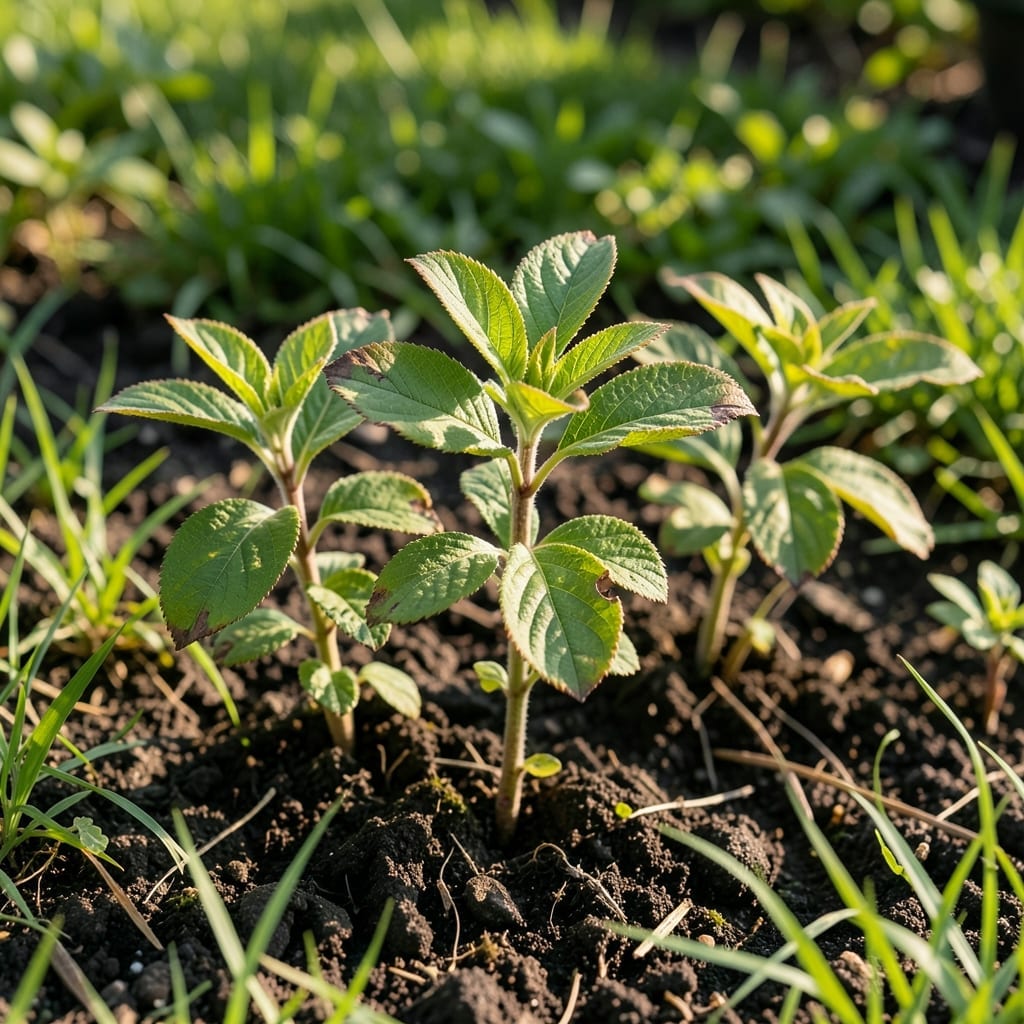
My chestnut seedlings looked perfect until those brown tips appeared. 🌱 I’ve learned this usually signals a moisture imbalance—either too much or too little water reaching the roots.
The solution isn’t complicated. Check your soil 2 inches down: if it’s bone dry or soggy, adjust your watering schedule. Most brown tips clear up within 2 weeks of consistent care.
What you’ll notice first is new growth coming in green and healthy. The existing brown tips won’t heal, but the rest of the leaf stays productive as the seedling recovers.
Works for container-grown or in-ground seedlings. Here’s the step-by-step fix.
Brown tips on chestnut tree seedlings are a clear sign of stress, often tied to environmental or care-related factors. Below are the most common causes, explained with actionable insights.
Inconsistent moisture levels are a primary culprit. Underwatering leads to dry, crispy tips as the plant struggles to absorb nutrients. Conversely, overwatering suffocates roots, reducing oxygen uptake and causing tip burn. Chestnut seedlings thrive in well-draining soil with regular, moderate watering—aim for soil that’s moist but not soggy.
Deficiencies in potassium, magnesium, or calcium often manifest as brown leaf tips. Potassium, for example, regulates water movement within the plant; low levels disrupt this balance. A soil test can pinpoint deficiencies. Amend with a balanced fertilizer (e.g., 10-10-10) or organic matter like compost to restore equilibrium.
Extreme temperatures, low humidity, or sudden weather shifts can scorch leaf tips. Chestnut seedlings prefer partial shade and protection from harsh winds. If grown in containers, ensure they’re not exposed to radiant heat (e.g., near concrete or metal surfaces) that can spike soil temperatures.
Chestnuts favor slightly acidic to neutral soil (pH 6.0–7.0). Highly alkaline or acidic soils lock out essential nutrients, leading to tip necrosis. Test soil pH and adjust with lime (to raise pH) or sulfur (to lower pH) as needed.
While less common, root rot (from Phytophthora) or sap-sucking pests (e.g., spider mites) can cause browning. Inspect roots for mushiness or foliage for webbing. Treat with neem oil or copper-based fungicides if pests or pathogens are confirmed.
Addressing brown tips on chestnut tree seedlings starts with identifying the root cause. Below are targeted solutions for the most common issues, along with prevention tips to keep your seedlings thriving.
Fix: Check the soil moisture by inserting your finger 1-2 inches deep. If it feels dry, water deeply but avoid waterlogging. If soggy, improve drainage by adding perlite or sand to the soil mix. Use a moisture meter for precision.
Prevention: Water consistently—aim for moist, not soaked, soil. Mulch around the base to retain moisture and prevent evaporation.
Fix: Test your soil for deficiencies. For yellowing with brown tips (often potassium or magnesium), apply a balanced fertilizer or Epsom salt (1 tbsp/gallon of water) for magnesium. For nitrogen deficiency, use a slow-release nitrogen fertilizer.
Prevention: Enrich soil with compost before planting and fertilize lightly every 4-6 weeks during the growing season.
Fix: Shield seedlings from extreme heat or cold using shade cloth or frost covers. If wind is the culprit, create a windbreak with stakes and burlap.
Prevention: Plant in a sheltered location and harden off seedlings gradually if moving them outdoors.
Fix: Inspect leaves for pests like aphids or mites. Spray with insecticidal soap or neem oil for infestations. For fungal issues (e.g., leaf blight), remove affected leaves and apply a copper-based fungicide.
Prevention: Keep the area clean, avoid overhead watering, and ensure good air circulation.
💡 Pro Tip: Always sterilize tools and pots to prevent disease spread, and rotate planting locations to avoid soil depletion.
Insert your finger 2 inches into the soil. If it feels soggy or smells sour, you’re likely overwatering.
No, the damaged tissue won’t recover. Focus on improving care—new growth will emerge healthy within 2 weeks.
If your water is hard or chlorinated, use filtered or distilled water. Chlorine and minerals can stress young plants.
A well-draining mix of 50% potting soil, 30% compost, and 20% perlite prevents waterlogging and nutrient issues.